For industrial applications involving the handling of magnesium oxide, efficient material transport is crucial. Pneumatic conveying systems offer a reliable solution for transporting bulk materials like magnesium oxide, ensuring safety, efficiency, and minimal environmental impact. This article provides an overview of magnesium oxide pneumatic conveying, detailing the fundamental principles and operational aspects of such systems, with insights from Shandong HeadPowder Engineering Co., Ltd., a leading provider in the field.
Understanding Pneumatic Conveying Systems
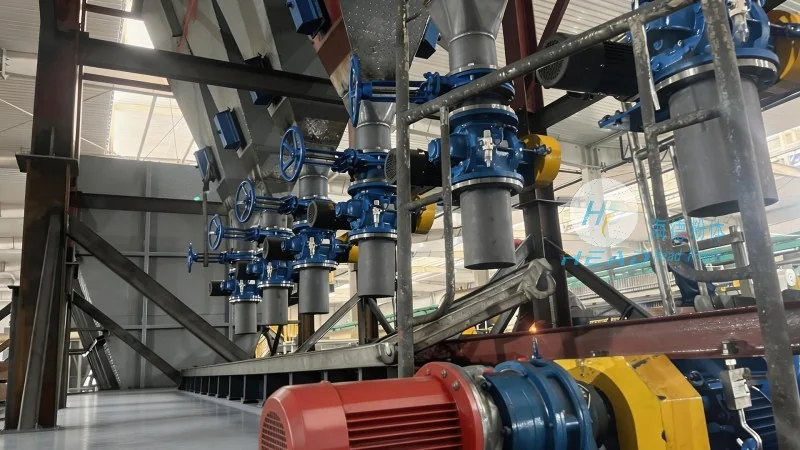
Pneumatic conveying systems utilize air or other gases to transport solid materials through a pipeline. The process involves creating a flow of air that carries the material from the source to the destination. There are two primary types of pneumatic conveying: dilute-phase and dense-phase. Dilute-phase systems rely on high-velocity air to suspend the material particles, while dense-phase systems use lower velocities and higher pressure to move material in a more compact form.
Key Components of a Pneumatic Conveying System
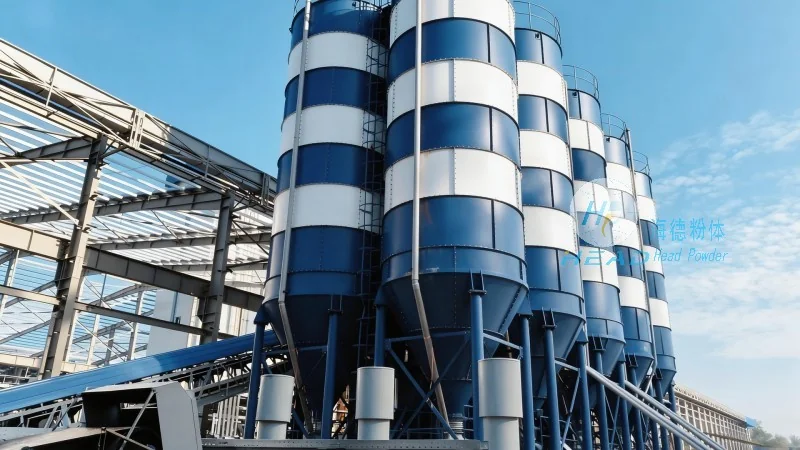
A typical pneumatic conveying system consists of several key components, each playing a vital role in the material transport process. These components include the material feed hopper, which holds the magnesium oxide and controls the flow rate; the air compressor or blower, which generates the necessary air pressure; the conveying line, which transports the material and air mixture; and the receiving hopper or silo, where the material is deposited. Additionally, the system may include filters, cyclones, and dust collectors to manage air quality and prevent material loss.
Working Principle of Magnesium Oxide Pneumatic Conveying
The operation of a magnesium oxide pneumatic conveying system begins with the material being fed into the hopper. The air compressor then draws air from the hopper and increases its pressure. This pressurized air is then introduced into the conveying line, where it mixes with the magnesium oxide particles. The air flow carries the particles through the pipeline, maintaining a consistent velocity to prevent material settling or blockages. At the receiving end, the air is typically filtered and the magnesium oxide is collected in the receiving hopper. The system may also incorporate control mechanisms to regulate the flow rate and pressure, ensuring optimal performance and preventing system overload.
Advantages of Pneumatic Conveying for Magnesium Oxide
Employing pneumatic conveying for magnesium oxide offers several advantages over traditional methods like belt conveyors or bucket elevators. One of the primary benefits is the ability to transport materials in a closed system, minimizing dust exposure and environmental contamination. This is particularly important for magnesium oxide, which can be a respiratory irritant if inhaled. Additionally, pneumatic systems allow for flexible routing, enabling materials to be transported over long distances or around obstacles without the need for additional infrastructure. The process is also relatively fast and can handle varying material loads, making it suitable for both continuous and batch operations.
Applications in Industrial Settings
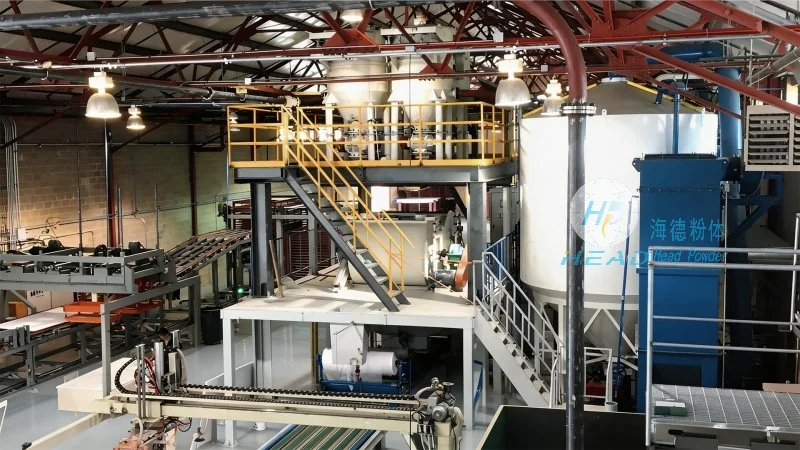
Magnesium oxide pneumatic conveying is widely used in various industrial sectors, including chemical manufacturing, pharmaceuticals, and food processing. In chemical plants, it is used to transport raw materials and finished products, ensuring a smooth production flow. In pharmaceutical applications, the closed system helps maintain product purity and compliance with regulatory standards. The food industry also benefits from the hygienic design of pneumatic systems, which prevents contamination and ensures product safety. These applications highlight the versatility and reliability of pneumatic conveying in handling sensitive materials like magnesium oxide.
Maintenance and Operational Considerations
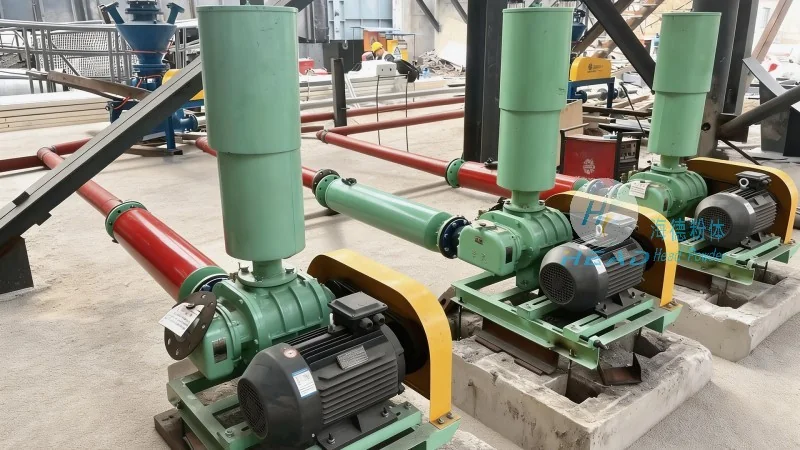
Proper maintenance is essential to ensure the longevity and efficiency of a pneumatic conveying system. Regular checks of the air compressor, filters, and conveying line are necessary to prevent issues such as clogging or pressure loss. The material feed hopper should be kept clean to avoid blockages, and the system should be inspected for any signs of wear or damage. Additionally, the air quality must be monitored to prevent the buildup of dust or particles that could affect the system's performance. By adhering to a regular maintenance schedule, operators can minimize downtime and maximize the system's operational efficiency.
Conclusion
Pneumatic conveying systems provide an effective and efficient method for transporting magnesium oxide, offering advantages in safety, flexibility, and environmental protection. As a key component in industrial material handling, these systems are essential for maintaining smooth operations in various industries. With proper design, installation, and maintenance, pneumatic conveying can meet the demands of modern manufacturing processes, ensuring reliable and consistent material transport for magnesium oxide and other bulk materials. Shandong HeadPowder Engineering Co., Ltd. specializes in providing tailored pneumatic conveying solutions for diverse industrial needs, supporting clients in optimizing their material handling processes.




