For industrial applications involving the transport of polyvinyl chloride (PVC) materials, efficient and reliable material handling solutions are crucial. Pneumatic conveying systems offer a versatile method for moving bulk solids like PVC, providing advantages such as enclosed transport, reduced dust exposure, and improved safety. This article provides an overview of PVC pneumatic conveying, detailing the fundamental principles of pneumatic conveying systems and their application in handling PVC materials.
What is Pneumatic Conveying?
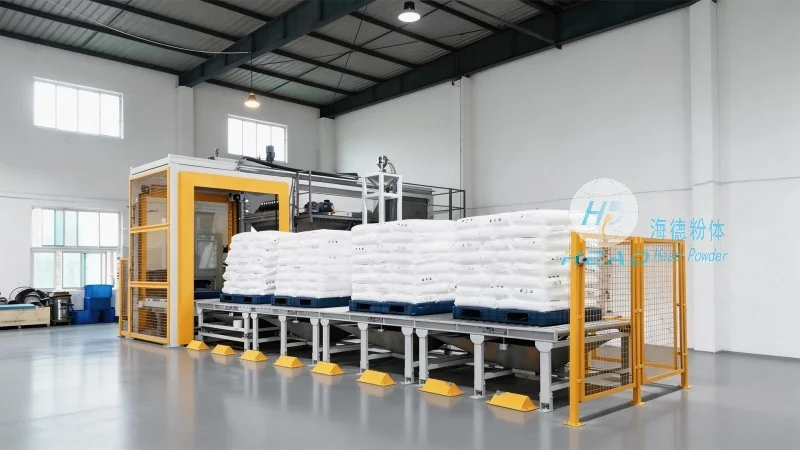
Pneumatic conveying is a technology that uses compressed air or other gases to transport bulk materials through a pipeline. The system typically consists of a source of air (e.g., a blower or compressor), a material feed hopper, a conveying line, and a discharge point. The process involves creating a pressure differential that propels the material through the system. There are two main types of pneumatic conveying: pressure and vacuum systems. Pressure systems use compressed air to push material forward, while vacuum systems use a vacuum to pull material into the line.
Key Components of a Pneumatic Conveying System
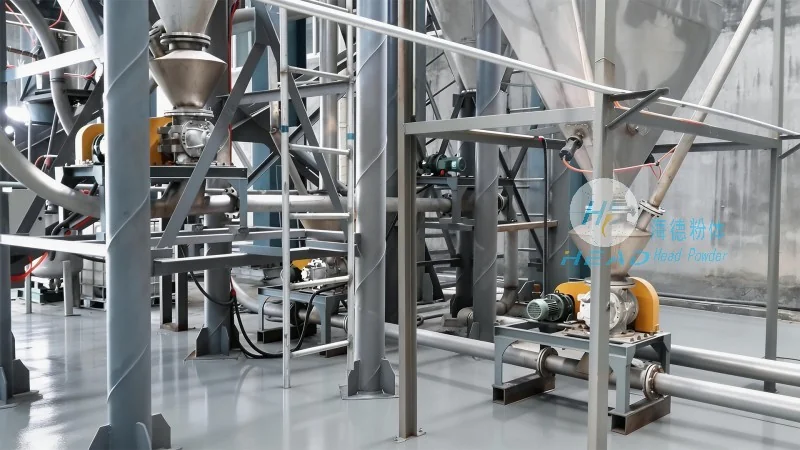
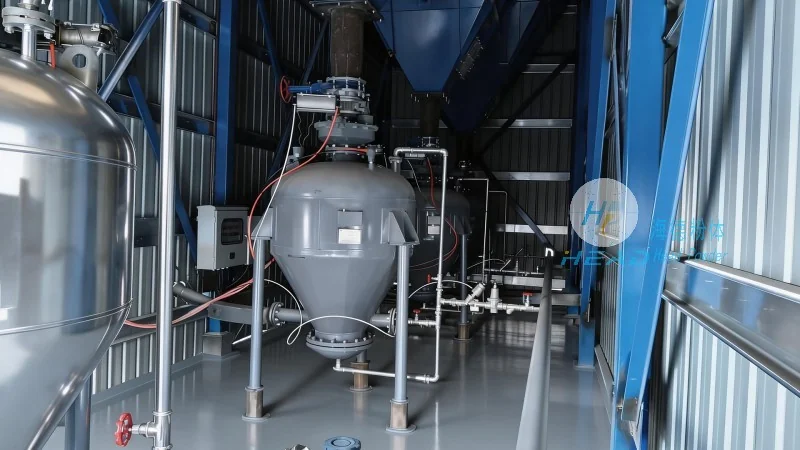
Effective pneumatic conveying for PVC requires several key components working in tandem. These include a material feeder, which controls the flow of PVC into the system; a conveying line, which can be made of metal or flexible tubing depending on the application; a blower or compressor that provides the necessary air pressure; and a receiver or discharge hopper where the material is collected. Additionally, filters and dust collectors may be integrated to manage air quality and ensure compliance with environmental regulations.
Pneumatic Conveying Principles for PVC Handling
When handling PVC, the choice of conveying system and its design parameters are critical. PVC is a thermoplastic polymer that can be sensitive to temperature and moisture, making it important to maintain appropriate conditions during transport. The system must be designed to prevent material degradation, such as melting or sticking, which can occur if the material is exposed to excessive heat or pressure. The velocity of the air and the size of the conveying line are key factors in determining the efficiency and reliability of PVC transport. Proper sizing of the line and air velocity ensures that the PVC particles are carried without causing blockages or excessive wear on system components.
Advantages of Pneumatic Conveying for PVC
Implementing a pneumatic conveying system for PVC offers several benefits. First, it provides a dust-free environment, which enhances workplace safety and reduces the risk of contamination. Second, the enclosed system prevents material loss and protects the product from external factors like moisture or contaminants. Third, pneumatic conveying can be integrated with other processing equipment, such as mixing or compounding units, to streamline production processes. Finally, the system is relatively compact and can be easily installed in existing facilities, making it a cost-effective solution for many industrial applications.
Application Examples in PVC Processing
Pneumatic conveying is widely used in various stages of PVC processing. For instance, in the production of PVC pellets or granules, the material is often conveyed from storage silos to processing equipment like extruders or mixers. In manufacturing PVC pipes or sheets, the material may be transported from a drying or cooling stage to a cutting or shaping station. The flexibility of pneumatic conveying allows it to adapt to different production line configurations, ensuring smooth material flow and minimizing downtime.
Considerations for PVC Pneumatic Conveying Systems
When selecting or designing a pneumatic conveying system for PVC, several factors must be considered. The first is the material's physical properties, such as particle size, density, and moisture content, as these affect the system's performance. The second is the required conveying distance and throughput, which will determine the size and capacity of the blower or compressor. Third, the system must be constructed from materials that are compatible with PVC, such as stainless steel or specialized plastics, to prevent corrosion or chemical reactions. Finally, the system should include proper maintenance and monitoring to ensure long-term reliability and efficiency.
Conclusion
Pneumatic conveying is a highly effective method for transporting polyvinyl chloride (PVC) materials in industrial settings. By understanding the principles of pneumatic conveying and selecting the appropriate system components, manufacturers can achieve efficient, safe, and cost-effective material handling. The technology's ability to handle PVC while maintaining product quality and workplace safety makes it a preferred choice for many applications in the PVC industry. As a leader in engineering solutions for material handling, Shandong HeadPowder Engineering Co., Ltd. specializes in designing and implementing pneumatic conveying systems tailored to the specific needs of PVC processing facilities.




