Desulfurization and dust removal ash, commonly known as FGD (Flue Gas Desulfurization) fly ash, is a byproduct generated during the process of removing sulfur dioxide and particulate matter from flue gases in power plants and industrial facilities. The efficient handling and transportation of this fine powder are crucial for environmental compliance and operational efficiency. Pneumatic conveying, a method of transporting bulk materials through a pipeline using air or other gas as the conveying medium, has become a preferred solution for handling FGD ash due to its flexibility, low maintenance requirements, and ability to transport materials over long distances without the need for mechanical components like belts or buckets.
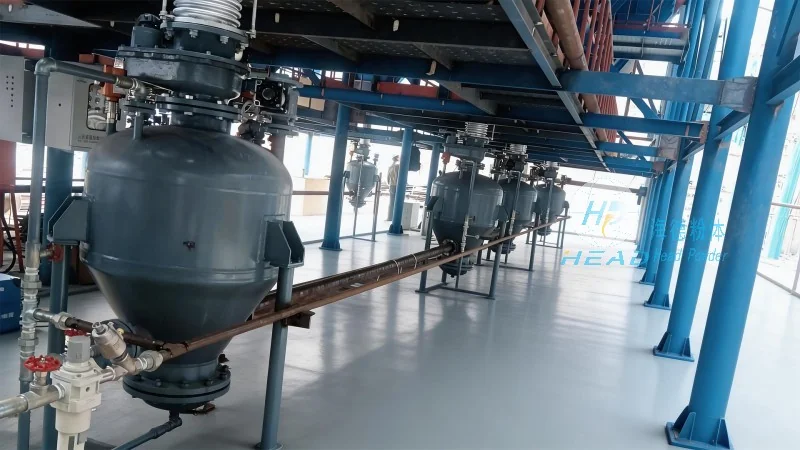
Introduction to HeadPowder Engineering Co., Ltd.
HeadPowder Engineering Co., Ltd., a leading provider of powder handling solutions, specializes in designing and manufacturing advanced pneumatic conveying systems tailored for the transportation of industrial powders, including desulfurization and dust removal ash. With a strong presence in Shandong, China, HeadPowder leverages over a decade of experience in the field to deliver reliable, high-performance systems that meet the stringent requirements of modern industrial applications. The company’s headquarters and primary operations are located in Shandong, providing a strategic base for serving clients across the region and beyond.
Understanding Pneumatic Conveying Systems
Pneumatic conveying systems are designed to transport bulk materials in a fluidized state, where the material is suspended and carried by a moving gas stream. This technology is particularly effective for fine, dry powders like FGD ash, which are prone to dusting and caking if handled using traditional methods. The core components of a pneumatic conveying system include a gas source (such as a blower or compressor), a conveying line (typically made of stainless steel or other corrosion-resistant materials), and a receiver or discharge unit. The system operates by creating a pressure differential between the inlet and outlet of the conveying line, allowing the material to be drawn or pushed through the pipeline.
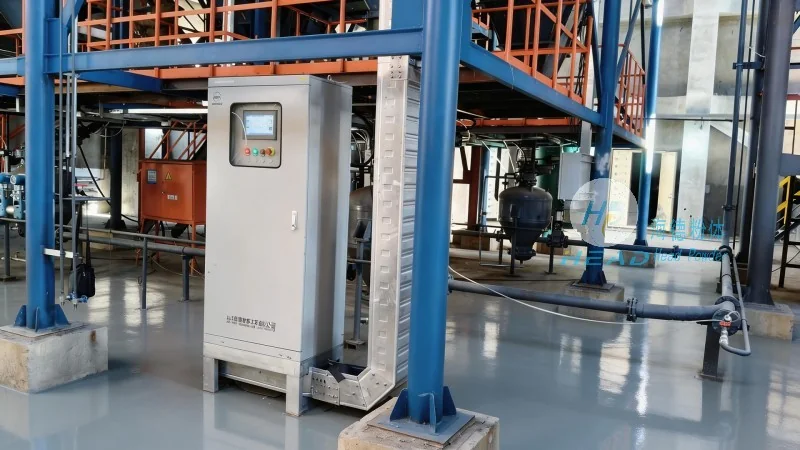
The Working Principle of Desulfurization and Dust Removal Ash Pneumatic Conveying
The process of pneumatic conveying for desulfurization ash involves several key steps. First, the ash is collected from the desulfurization unit and fed into the conveying system via a hopper or feeder. The feeder ensures a consistent flow of material into the system, preventing blockages and maintaining system efficiency. Next, a blower or compressor generates the necessary air pressure to move the ash through the pipeline. In an aspiration (or vacuum) system, the air is drawn from the conveying line, creating a negative pressure that pulls the ash particles into the pipeline. Conversely, in a pressure (or positive) system, the air is forced into the line, pushing the ash forward. The choice between these two systems depends on factors such as the distance to be covered, the volume of material to be transported, and the characteristics of the ash (e.g., moisture content, particle size).
Key Components and Their Functions
Several critical components work in tandem to ensure the smooth operation of a pneumatic conveying system for FGD ash. The air compressor or blower is the heart of the system, providing the necessary air pressure to move the material. The conveying line, usually made of stainless steel to resist corrosion from the ash and moisture, is designed to withstand the pressure and flow rates required for the application. The inlet and discharge units are responsible for introducing the ash into the system and releasing it at the destination. These units are often equipped with valves and filters to control the flow and prevent dust leakage. Additionally, filters and cyclones are used to separate the ash from the air stream at the end of the conveying line, ensuring that the air is clean before it is released back into the environment.
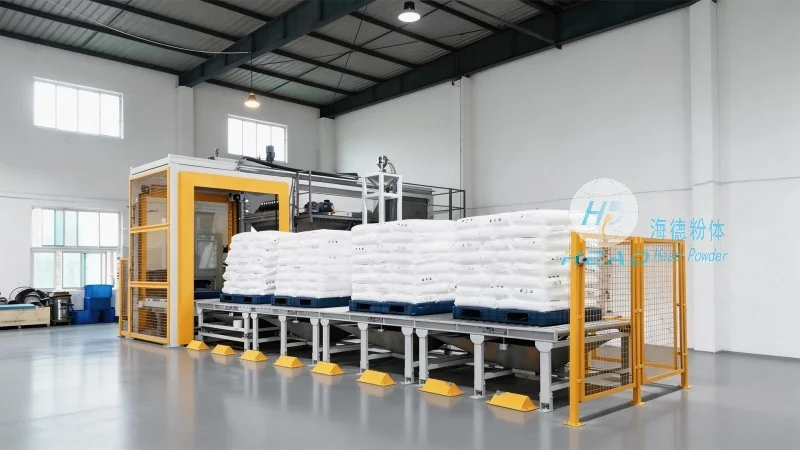
Advantages of Pneumatic Conveying for Desulfurization Ash
Compared to traditional mechanical conveying methods, pneumatic conveying offers several advantages for handling desulfurization and dust removal ash. First, it eliminates the need for moving parts like belts or buckets, reducing maintenance costs and minimizing the risk of mechanical failure. Second, the system can transport ash over long distances (up to several kilometers) with minimal loss of material. Third, pneumatic conveying is highly flexible, allowing for changes in the system layout or material flow without major modifications. Fourth, the process is dust-tight, preventing the release of fine particles into the environment and improving workplace safety. Finally, the system can handle a wide range of ash characteristics, including varying moisture content and particle sizes, making it a versatile solution for different industrial applications.
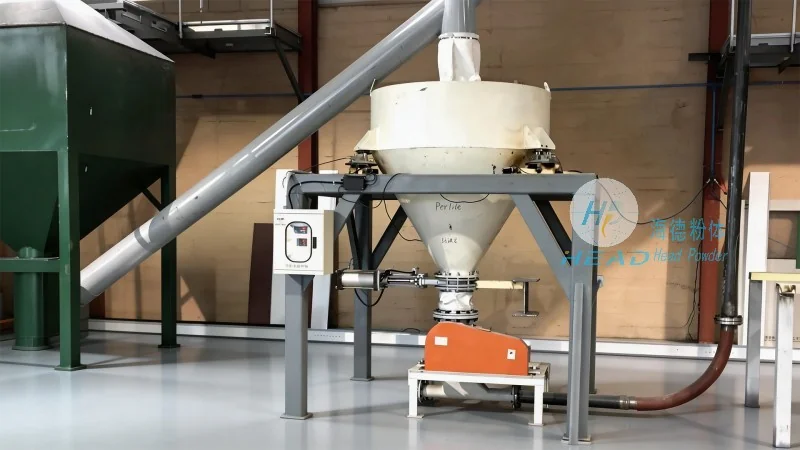
Applications and Industry Impact
The use of pneumatic conveying systems for desulfurization and dust removal ash has a significant impact on the environmental and operational performance of power plants and industrial facilities. By efficiently transporting ash to storage or disposal sites, these systems help to reduce the risk of dust pollution and ensure compliance with environmental regulations. Additionally, the reduced maintenance requirements and lower energy consumption of pneumatic systems contribute to cost savings for the facility. HeadPowder Engineering Co., Ltd. has successfully implemented numerous pneumatic conveying systems for FGD ash in power plants across Shandong and other regions, demonstrating the effectiveness and reliability of their solutions.
Conclusion
In conclusion, pneumatic conveying is a highly effective and efficient method for handling desulfurization and dust removal ash. The working principle, which involves transporting fine powders through a pipeline using air pressure, offers numerous advantages over traditional mechanical methods. HeadPowder Engineering Co., Ltd., with its expertise and experience in powder handling solutions, provides reliable and customized pneumatic conveying systems that meet the specific needs of industrial clients. By leveraging advanced technology and a deep understanding of material characteristics, HeadPowder helps facilities achieve optimal performance, environmental compliance, and operational efficiency in the handling of desulfurization ash.




