Understanding the mechanics of glass fiber powder pneumatic conveying is essential for industries that rely on efficient and reliable material handling solutions. This article provides a comprehensive overview of the technology, focusing on the working principles of powder handling systems and the specific considerations for transporting glass fiber powders. As a leading provider in the field, Shandong HeadPowder Engineering Co., Ltd. from China specializes in designing and implementing advanced pneumatic conveying systems tailored to the unique properties of various powders, including glass fiber.
The Fundamentals of Pneumatic Conveying Systems
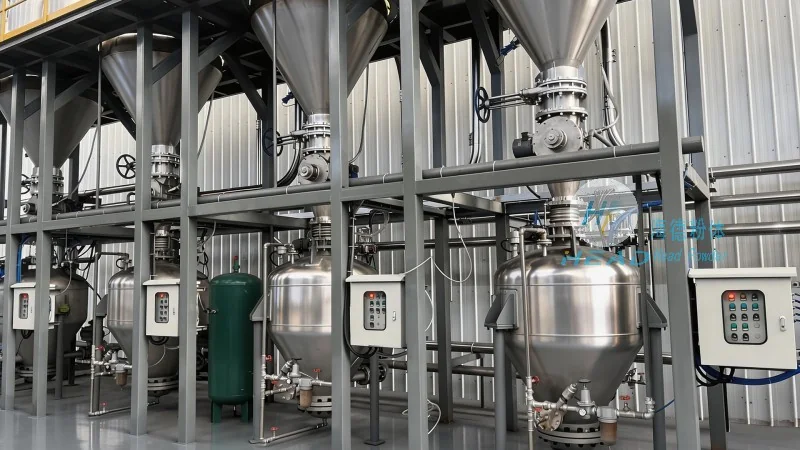
Pneumatic conveying, or powder gas transport, is a method of transporting bulk materials through a pipeline using a gas stream, typically air or other gases. The system operates by creating a pressure differential that propels the powder particles along the pipeline. There are two primary types of pneumatic conveying systems: pressure and vacuum. Pressure systems use compressed air to push the material forward, while vacuum systems employ a vacuum to pull the material into the pipeline. Each type has its own advantages and is chosen based on the material characteristics, distance of transport, and system layout requirements.
Key Components of a Glass Fiber Powder Pneumatic Conveying System
A typical glass fiber powder pneumatic conveying system consists of several critical components that work in tandem to ensure efficient material transport. These components include the material feed hopper, which stores and feeds the glass fiber powder into the system; the conveying line, which is the main pipeline through which the powder travels; the air supply system, which provides the necessary gas pressure or vacuum; and the control system, which regulates the flow and pressure to maintain optimal operation. Additionally, the system may include accessories such as filters, cyclones, and dust collectors to manage the air and prevent contamination. For glass fiber powders, special considerations are often required to prevent clogging and ensure smooth flow, as these materials can be abrasive and have specific particle size distributions.
Working Principle of Glass Fiber Powder Pneumatic Conveying
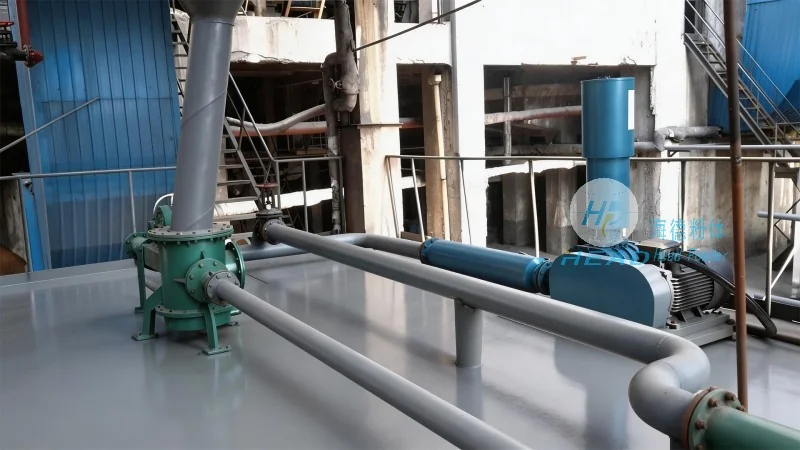
The working principle of a glass fiber powder pneumatic conveying system involves several stages. First, the glass fiber powder is fed from the hopper into the conveying line. The air supply system then introduces a gas stream, either under pressure or vacuum, to create a flow that carries the powder particles. The powder is suspended in the gas stream and transported through the pipeline. At the destination, the powder is separated from the gas, typically using a cyclone or filter, and collected in a receiving hopper. The separated gas is then either vented or recirculated back into the system to improve efficiency. The entire process is controlled by sensors and valves that monitor pressure, flow rate, and material level, ensuring consistent and reliable operation.
Advantages of Glass Fiber Powder Pneumatic Conveying
Implementing a pneumatic conveying system for glass fiber powders offers several advantages over traditional methods like belt conveyors or bucket elevators. One of the primary benefits is the ability to transport materials in a closed system, which minimizes dust emissions and improves workplace safety. This is particularly important for glass fiber powders, as they can be hazardous if inhaled. Additionally, pneumatic conveying systems can handle materials with a wide range of particle sizes and moisture contents, making them versatile for various applications. The system also allows for easy integration with other processing equipment, such as mixers or reactors, enabling seamless material transfer. Furthermore, the absence of moving parts in the pipeline reduces maintenance requirements and extends the system's lifespan.
Considerations for Designing a Glass Fiber Powder Pneumatic Conveying System
Designing an effective glass fiber powder pneumatic conveying system requires careful consideration of several factors to ensure optimal performance and longevity. The first consideration is the material properties of the glass fiber powder, including its particle size distribution, density, and flowability. These properties determine the appropriate conveying velocity and pressure required to prevent clogging and ensure smooth flow. The second factor is the distance and layout of the transport path, as the system's design must account for changes in elevation and direction. The third consideration is the system's capacity and throughput, which must be matched to the production requirements of the application. Additionally, the system must be designed to handle the abrasive nature of glass fiber powders, which can cause wear on components like valves and pipelines. Proper material selection for these components, such as stainless steel or specialized coatings, is crucial to minimize wear and extend the system's lifespan.
Applications of Glass Fiber Powder Pneumatic Conveying
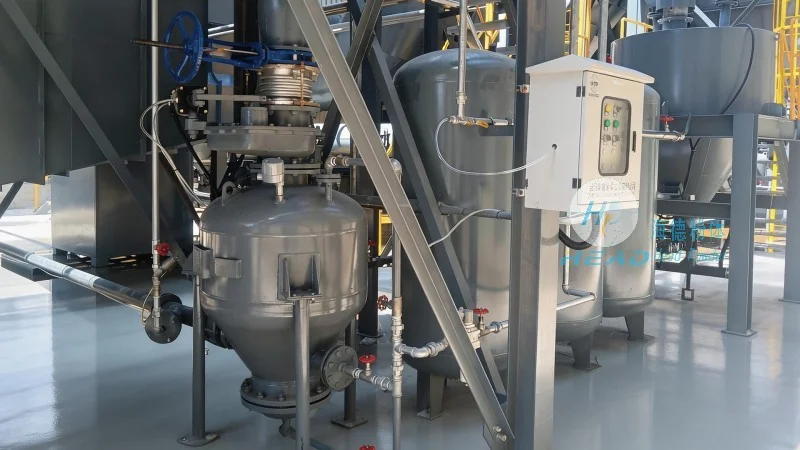
Glass fiber powder pneumatic conveying systems are widely used in various industries, including construction, automotive, and aerospace. In the construction industry, these systems are used to transport glass fiber powders for the production of reinforced plastics and composites. The automotive industry utilizes glass fiber powders in the manufacturing of car parts, such as body panels and interior components. The aerospace industry relies on glass fiber powders for the production of lightweight and strong components for aircraft. In each of these applications, the efficiency and reliability of the pneumatic conveying system are critical to maintaining production schedules and ensuring product quality. Shandong HeadPowder Engineering Co., Ltd. from China has extensive experience in designing and implementing such systems for these industries, providing customized solutions that meet the specific needs of each application.
Conclusion and Future Outlook
Glass fiber powder pneumatic conveying is a sophisticated and efficient method of material handling that offers numerous benefits over traditional systems. By understanding the working principles and key components of these systems, industries can optimize their material transport processes and improve overall operational efficiency. As technology advances, we can expect to see further innovations in pneumatic conveying systems, such as the integration of smart sensors and automation to enhance control and monitoring. For businesses looking to implement or upgrade their glass fiber powder handling systems, partnering with a reputable provider like Shandong HeadPowder Engineering Co., Ltd. from China can ensure that the system is designed and installed to meet the highest standards of performance and reliability.




