When it comes to transporting molybdenum trioxide, the choice between positive pressure and negative pressure pneumatic conveying systems is a critical decision for industrial operations. Both methods offer distinct advantages and challenges, and understanding their differences is essential for optimizing material handling processes. This article provides a detailed comparison of positive pressure and negative pressure conveying systems, focusing on their applications, performance characteristics, and suitability for molybdenum trioxide transport.
Introduction to Pneumatic Conveying Systems
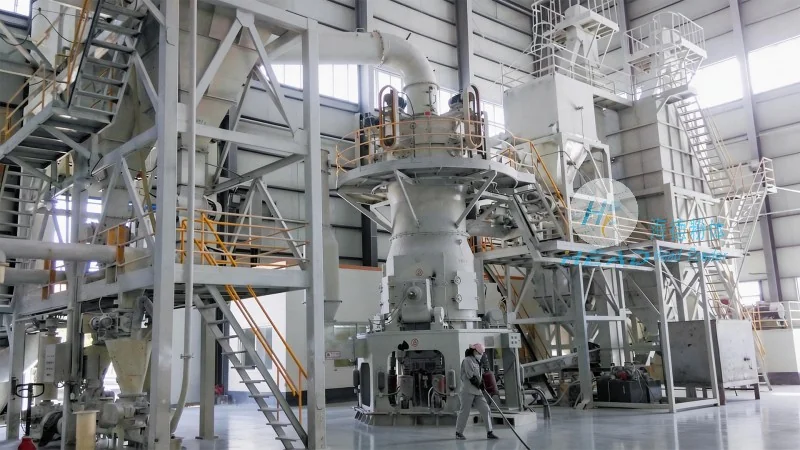
Pneumatic conveying is a widely used technique for transporting bulk materials, including powders and granules, over short to medium distances. It involves the use of air or other gases to move material through a pipeline system. The two primary types of pneumatic conveying are positive pressure and negative pressure systems, each with its own operational principles and benefits.
Company Profile: Shandong HeadPowder Engineering Co., Ltd.
HeadPowder, a leading engineering company based in Shandong, China, specializes in the design, manufacturing, and implementation of advanced material handling solutions. With a strong focus on innovation and customer satisfaction, HeadPowder provides tailored pneumatic conveying systems for various industrial applications, including the transportation of molybdenum trioxide. The company's expertise in system design and integration ensures efficient and reliable material transport, meeting the specific needs of clients in the chemical and mining industries.
Positive Pressure Conveying System
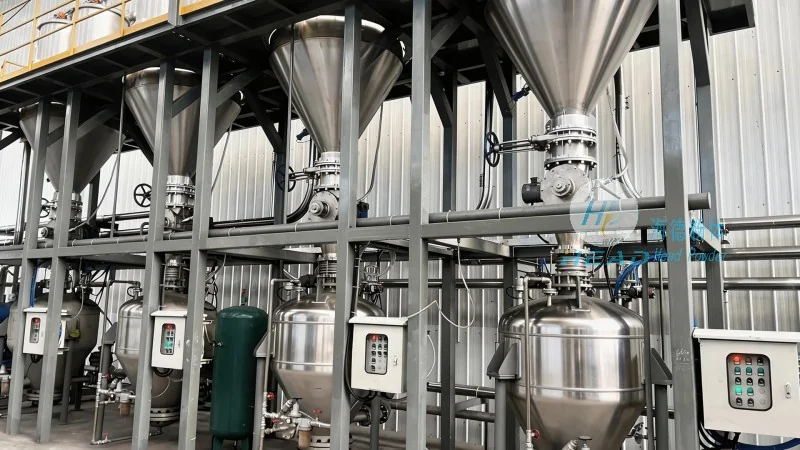
Positive pressure conveying systems operate by blowing air or gas into the conveying line, creating a pressure higher than the ambient air pressure. This method is commonly used for short to medium distance transport and is particularly effective for handling materials that are prone to dusting or caking. In the case of molybdenum trioxide, positive pressure systems can efficiently transport the material from storage silos to processing equipment, ensuring a continuous and controlled flow.
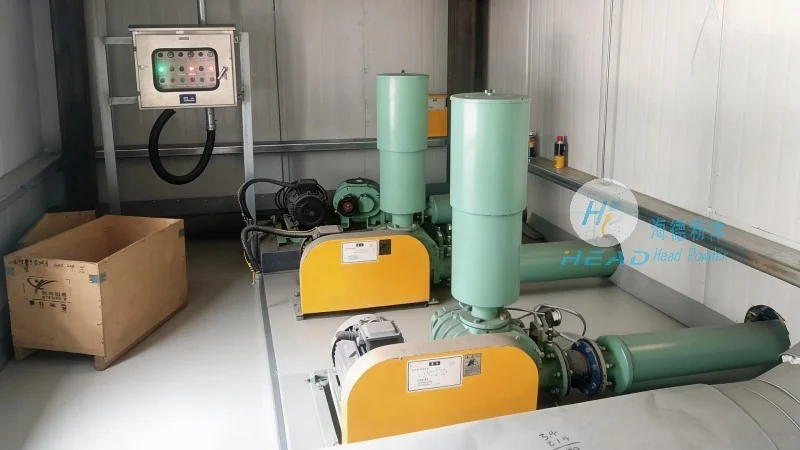
The primary advantage of positive pressure systems is their ability to handle a wide range of material properties, including abrasive and corrosive powders. They are also less susceptible to blockages caused by moisture or other contaminants, as the high pressure helps maintain material movement through the pipeline. However, positive pressure systems require robust equipment, such as high-pressure blowers and sealed pipelines, which can increase initial investment costs. Additionally, they may generate more noise and require proper ventilation to manage air emissions.
Negative Pressure Conveying System
Negative pressure conveying systems, also known as vacuum systems, operate by creating a vacuum in the conveying line, drawing material from the source into the system. This method is ideal for long-distance transport and is commonly used when the material needs to be transported from multiple points or when the receiving equipment is located at a lower elevation. For molybdenum trioxide, negative pressure systems can effectively transport the material from a central storage facility to various processing units, minimizing the risk of dust dispersion.
A key benefit of negative pressure systems is their ability to handle materials that are sensitive to pressure changes or that may be prone to agglomeration. The vacuum environment helps maintain material integrity and reduces the risk of product degradation. However, negative pressure systems are more susceptible to blockages caused by moisture or other debris, as the low pressure may not provide sufficient force to move material through the pipeline. They also require careful maintenance to prevent air leaks, which can reduce system efficiency and increase energy consumption.
Comparison of Positive and Negative Pressure Conveying for Molybdenum Trioxide
When comparing positive and negative pressure conveying systems for molybdenum trioxide, several factors need to be considered, including distance, material properties, and operational requirements. Positive pressure systems are generally more suitable for short to medium distances and for materials that are less prone to agglomeration. They offer higher material flow rates and are less likely to experience blockages due to their high pressure operation. On the other hand, negative pressure systems are better suited for long-distance transport and for handling materials that are sensitive to pressure changes or that may require gentle handling to prevent degradation.
From an energy consumption perspective, positive pressure systems typically require more energy due to the need to generate high pressure air. Negative pressure systems, while requiring vacuum pumps, may be more energy-efficient for long-distance transport, as the vacuum can be maintained over longer distances with less power. However, the overall energy efficiency depends on the specific system design and operational parameters.
Cost is another important factor in the decision-making process. Positive pressure systems generally have higher initial costs due to the need for high-pressure blowers and sealed pipelines. Negative pressure systems may have lower initial costs but may require more maintenance to prevent air leaks and blockages. The total cost of ownership, including maintenance and energy consumption, should be evaluated to determine the most cost-effective option for the specific application.
Conclusion
Both positive pressure and negative pressure pneumatic conveying systems offer viable solutions for transporting molybdenum trioxide, with each method having its own advantages and limitations. The choice between the two depends on factors such as the distance of transport, material properties, operational requirements, and cost considerations. By understanding the differences between these systems, industrial operators can select the most appropriate method to ensure efficient, reliable, and cost-effective material handling. HeadPowder, with its expertise in pneumatic conveying systems, can provide tailored solutions that meet the specific needs of clients, optimizing their molybdenum trioxide transport processes.




