High-calcium materials, such as limestone, quicklime, and other calcium-based powders, are integral to numerous industrial processes. The efficient and reliable transportation of these materials is paramount for maintaining production efficiency and ensuring product quality. Pneumatic conveying systems have emerged as a preferred solution for handling high-calcium powders due to their ability to transport materials in a closed system, minimizing dust exposure and environmental impact while preserving material integrity.
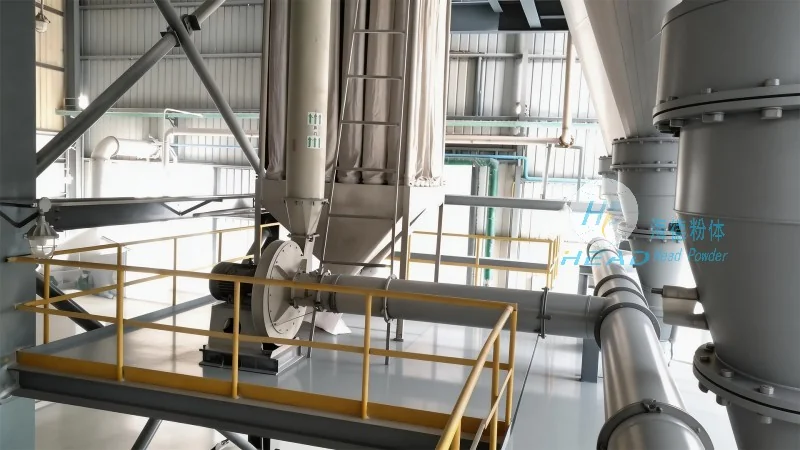
Understanding High-Calcium Pneumatic Conveying
High-calcium pneumatic conveying involves the use of air or other gases to transport bulk materials like calcium-based powders through a pipeline. This method is particularly suitable for materials that are fine, abrasive, or have high moisture content, as it prevents material degradation and contamination. The system typically consists of a material feed hopper, a conveyor line, and a discharge point, all connected by a network of pipes. The air flow is controlled to ensure the material is lifted and transported efficiently without clogging or degradation, making it ideal for high-calcium applications where material purity and handling efficiency are critical.
The Working Principle of Pneumatic Conveying Systems
Pneumatic conveying systems operate on the principle of creating a pressure differential between the inlet and outlet of the conveying line. By introducing air into the system, the material is lifted and transported through the pipeline. There are two main types of pneumatic conveying: pressure and vacuum systems. Pressure systems use compressed air to push the material forward, while vacuum systems use a vacuum to pull the material from the source. For high-calcium materials, pressure systems are often preferred as they can handle higher material loads and provide better control over the conveying process, ensuring consistent material flow and preventing material degradation.
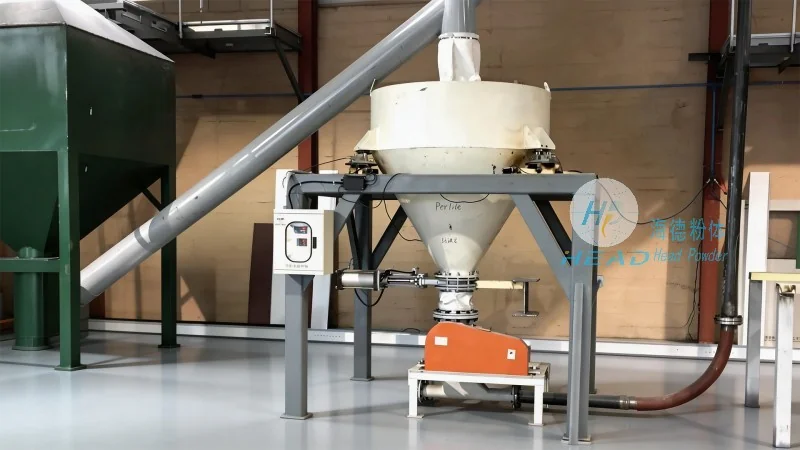
Key Components of a High-Calcium Pneumatic Conveying System
A high-performance high-calcium pneumatic conveying system includes several critical components that work in tandem to ensure efficient material transport. The primary components are the material feed hopper, which holds the bulk material and regulates the flow rate; the conveyor line, which consists of pipes and fittings designed to withstand the abrasive nature of calcium-based powders, often made from stainless steel or specialized alloys to resist corrosion; the air compressor or vacuum pump, which provides the necessary air pressure or vacuum; and the control system, which monitors and adjusts the air flow and material feed to maintain optimal conveying conditions. The material feed hopper may feature a conical bottom with a rotary valve or gate to control material discharge, while the conveyor line includes bends, elbows, and straight sections to guide the material and air flow. The air compressor, typically a positive displacement type like a rotary lobe or screw compressor, generates the required pressure, and the control system may include sensors and a programmable logic controller (PLC) to automate operations and ensure consistent performance.
Advantages of Using High-Calcium Pneumatic Conveying
Implementing a high-calcium pneumatic conveying system offers numerous advantages over traditional material handling methods. One of the most significant benefits is the reduction of dust and airborne particles, which improves workplace safety and environmental compliance. The closed system design prevents material contamination from external sources, ensuring product purity, which is especially important for high-calcium materials used in pharmaceutical or food applications. The system also allows for precise control over material flow rates, which is essential for maintaining consistent product quality and meeting production targets. Furthermore, pneumatic conveying systems can handle high material loads and operate continuously, reducing downtime and increasing overall production efficiency. They also minimize material handling costs by eliminating the need for manual loading or unloading, and reduce the risk of material spillage or loss.
Applications in Industrial Settings
High-calcium pneumatic conveying systems are widely used in various industrial applications, including the chemical, pharmaceutical, and food processing industries. In the chemical industry, these systems are used to transport limestone and quicklime for the production of calcium-based chemicals and fertilizers, where precise material handling is critical to process efficiency. In the pharmaceutical industry, they are employed to handle calcium-based excipients and active ingredients, ensuring a clean and controlled environment that meets stringent regulatory requirements. The food processing industry also utilizes these systems for transporting calcium-rich ingredients, such as calcium carbonate, in food products, where hygiene and product purity are paramount. The versatility of high-calcium pneumatic conveying makes it an ideal solution for industries that require precise material handling, minimal contamination, and consistent performance.
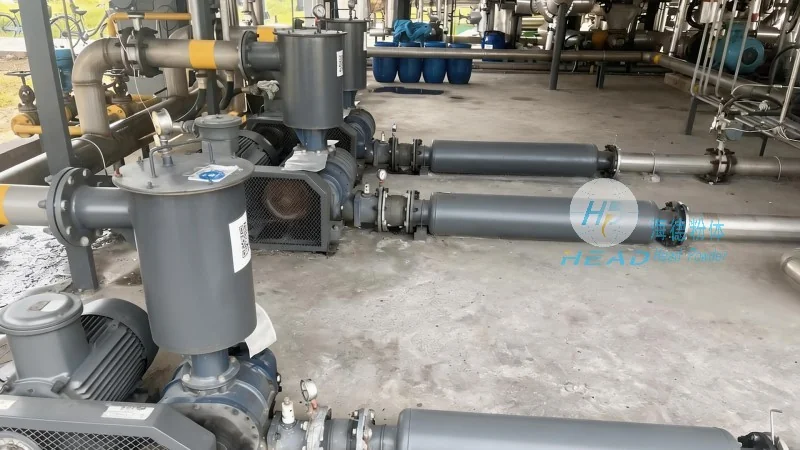
Maintenance and Operational Considerations
Proper maintenance and operational management are essential for ensuring the longevity and efficiency of a high-calcium pneumatic conveying system. Regular inspection of the conveyor line and components is necessary to detect any signs of wear or damage, such as corrosion or clogging. The air compressor or vacuum pump should be maintained to ensure consistent air pressure or vacuum levels, with filters and lubrication systems checked regularly to prevent contamination and wear. The material feed hopper and control system should be checked regularly to ensure proper flow regulation and to identify any issues with material buildup or system performance. By following these maintenance practices, the system can operate at optimal efficiency, minimizing downtime and maximizing material throughput. Additionally, training operators on proper system operation and emergency procedures is crucial for maintaining system reliability and safety.
Conclusion
High-calcium pneumatic conveying systems represent a sophisticated and effective solution for the transportation of calcium-based powders in industrial settings. By understanding the working principles and key components of these systems, industries can leverage their benefits to improve production efficiency, enhance product quality, and ensure workplace safety. As a leading provider of engineering solutions, Shandong HeadPowder Engineering Co., Ltd. specializes in designing and manufacturing high-performance pneumatic conveying systems tailored to the specific needs of high-calcium material handling applications. With a commitment to quality and innovation, HeadPowder continues to advance the technology and application of pneumatic conveying systems in various industries, providing reliable and efficient solutions for material transportation challenges.




