Aluminum foil is a widely used material across multiple industries, including packaging, electronics, and manufacturing. The efficient and reliable transportation of aluminum foil is essential for maintaining production efficiency and preserving product quality. Pneumatic conveying systems, particularly those engineered for aluminum foil, provide a solution that minimizes material damage and ensures smooth operation. This article explores the operation process and working principle of aluminum foil pneumatic conveying equipment, detailing the key steps and technical aspects involved.
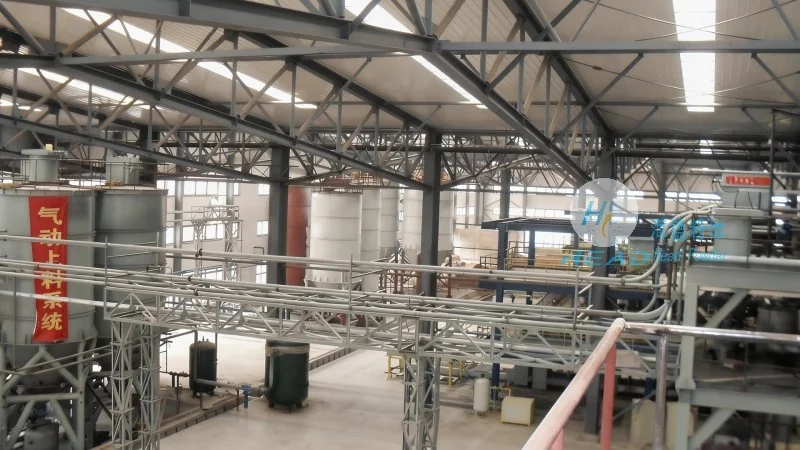
Introduction to Aluminum Foil Pneumatic Conveying
Aluminum foil pneumatic conveying equipment is a type of air-powered system designed to transport aluminum foil and other light, friable materials. Unlike traditional mechanical conveyors, pneumatic systems utilize air pressure or vacuum to move materials through a network of pipes. This method is especially advantageous for aluminum foil due to its thinness and susceptibility to damage from friction or impact. The system typically consists of a blower, a hopper for material storage, a conveying line, and a receiver for the discharged material. Each component plays a critical role in the overall operation, ensuring the aluminum foil is handled with care and precision.
Working Principle of Pneumatic Conveying
The core principle of pneumatic conveying is the use of air flow to transport particles or powders through a pipeline. For aluminum foil, the system is commonly designed as a negative pressure (suction) system, where a fan creates a vacuum that draws the material from the source into the conveying line. Alternatively, a positive pressure (blow) system can be employed, where the fan pushes air into the line, forcing the material forward. The choice between suction and blow depends on factors such as the conveying line length, material properties, and system layout. In both configurations, the air flow is controlled to maintain a consistent velocity that ensures the aluminum foil is carried without being crushed or torn.
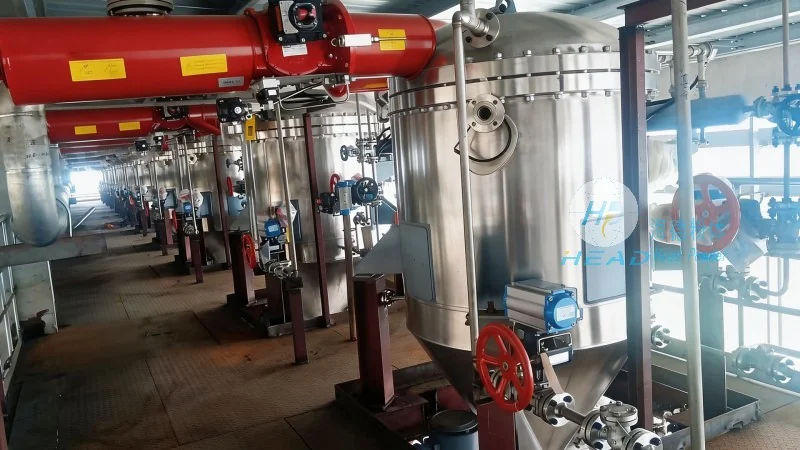
Key Components and Their Functions
The aluminum foil pneumatic conveying system comprises several essential components, each contributing to efficient operation. The blower or fan is the heart of the system, providing the necessary air pressure or vacuum. It is selected based on the required airflow rate and pressure to ensure adequate material conveyance. The hopper or feeder is where the aluminum foil is stored before introduction into the system. It may include a rotary valve or other feeding mechanism to control flow rate and prevent material buildup. The conveying line is constructed from materials compatible with aluminum foil, such as stainless steel or plastic, to avoid corrosion or contamination. The receiver or discharge hopper collects the material at the end of the line and may include a venting system to manage air pressure. The control system, often integrated with the blower, regulates air flow and pressure to maintain optimal conveying conditions.
Operation Process of Aluminum Foil Pneumatic Conveying
The operation of an aluminum foil pneumatic conveying system involves a series of steps to ensure smooth and efficient material transport. The process begins with system preparation, including checking the blower for proper operation and ensuring the hopper is filled with aluminum foil. The next step is to start the blower, which creates the necessary vacuum or pressure. Once the system is pressurized or depressurized, the feeding mechanism is activated, allowing aluminum foil to enter the conveying line. As the material is drawn or pushed through the line by the air flow, it travels to the receiver. The receiver may have a vent or filter to remove residual air or dust. The entire process is monitored by the control system, which adjusts air flow as needed to maintain consistent conveying rates. The system continues to operate until the hopper is empty or the desired amount of material has been transported. At this point, the system is shut down, and the receiver is emptied as required.
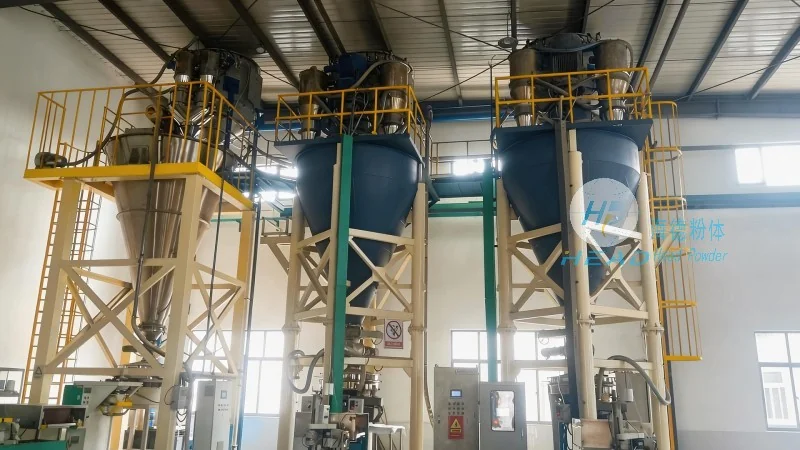
Advantages of Aluminum Foil Pneumatic Conveying
There are several advantages to using aluminum foil pneumatic conveying equipment. One primary benefit is the reduction of material damage. Unlike mechanical conveyors, which can cause friction or impact, pneumatic systems use air flow to gently transport the aluminum foil, preserving its integrity and preventing tears or creases. This is critical for applications where the foil's surface quality is paramount, such as in food packaging or electronics. Another advantage is the flexibility of the system. Pneumatic conveying can be easily adapted to different production layouts, with the ability to change the length or direction of the conveying line as needed. The system also offers a high degree of cleanliness, as it is enclosed and prevents dust or debris from contaminating the material. Additionally, pneumatic systems can be integrated with other production equipment, such as packaging machines, to create a seamless workflow.
Applications and Industries
Aluminum foil pneumatic conveying equipment is utilized in various industries where aluminum foil is a key component. In the food industry, it is used to transport aluminum foil for packaging, ensuring the material is handled gently and remains free from contaminants. In the electronics industry, it is used to convey aluminum foil for use in circuit boards or other components, where precision and cleanliness are essential. The manufacturing industry also employs pneumatic conveying for aluminum foil in processes such as lamination or coating. The versatility of the system makes it suitable for a wide range of applications, from small-scale operations to large-scale production lines.
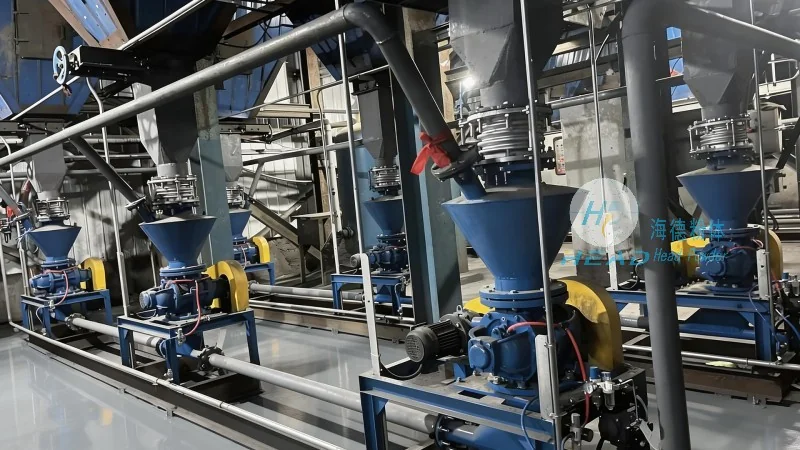
HeadPowder: Expert in Aluminum Foil Pneumatic Conveying Solutions
Shandong HeadPowder Engineering Co., Ltd., commonly known as HeadPowder, is a leading manufacturer of pneumatic conveying equipment, specializing in solutions tailored for aluminum foil and other light materials. With years of experience in the industry, HeadPowder has developed advanced systems that address the unique challenges of aluminum foil transportation. The company's products are designed with precision and attention to detail, ensuring the aluminum foil is handled with care and efficiency. HeadPowder's engineers work closely with clients to understand their specific needs and provide customized solutions that meet production requirements. The company's commitment to quality and innovation has made it a trusted partner in the industry, offering reliable and effective pneumatic conveying systems for aluminum foil applications.
Conclusion
Aluminum foil pneumatic conveying equipment is a critical component in the efficient and safe transportation of aluminum foil. The operation process involves a series of steps, from system preparation to material transport and receiver management, all controlled by a sophisticated system. The working principle relies on air flow to move the material through a network of pipes, with the choice between suction and blow systems depending on the specific application. The advantages of this system include minimal material damage, flexibility, and cleanliness, making it ideal for various industries. HeadPowder, with its expertise and commitment to quality, offers reliable solutions for aluminum foil pneumatic conveying, ensuring clients achieve optimal performance and product quality in their operations.




