Calcium chloride is a widely used chemical in various industrial applications, and the efficient handling of this material is crucial for maintaining production efficiency and safety. The calcium chloride pneumatic conveying machine, manufactured by Shandong HeadPowder Engineering Co., Ltd., is a specialized equipment designed to transport calcium chloride powder through an air-driven system. This article will explore the operation process and working principle of this equipment, highlighting its key components and operational mechanisms.
Key Components of the Pneumatic Conveying System
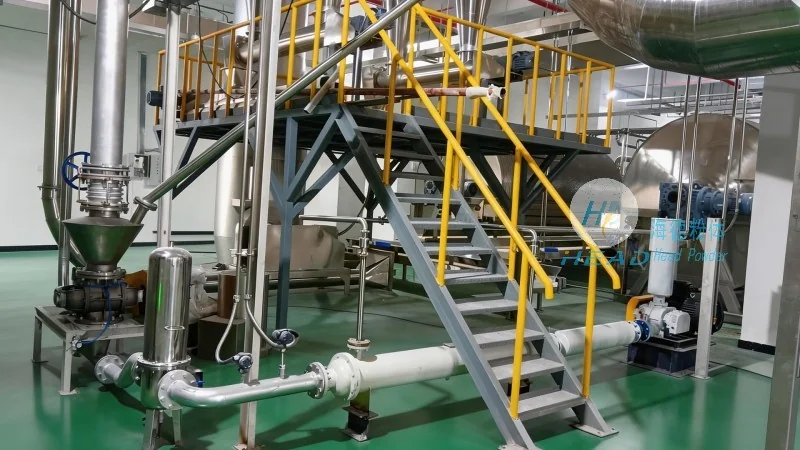
The calcium chloride pneumatic conveying machine consists of several critical components that work in tandem to ensure smooth material transport. The main components include the hopper, feeder, air compressor, conveying pipeline, and receiver. The hopper serves as the storage container for the calcium chloride powder, providing a controlled environment to prevent material degradation or contamination. The feeder is responsible for regulating the flow of material from the hopper into the conveying system, ensuring a consistent feed rate. The air compressor generates the necessary air pressure to move the material through the pipeline. The conveying pipeline, typically made of durable materials like stainless steel or plastic, transports the material from the feeder to the receiver. The receiver collects the conveyed material and may include features such as a dust collector to enhance safety and environmental compliance.
Working Principle of the Pneumatic Conveying Process
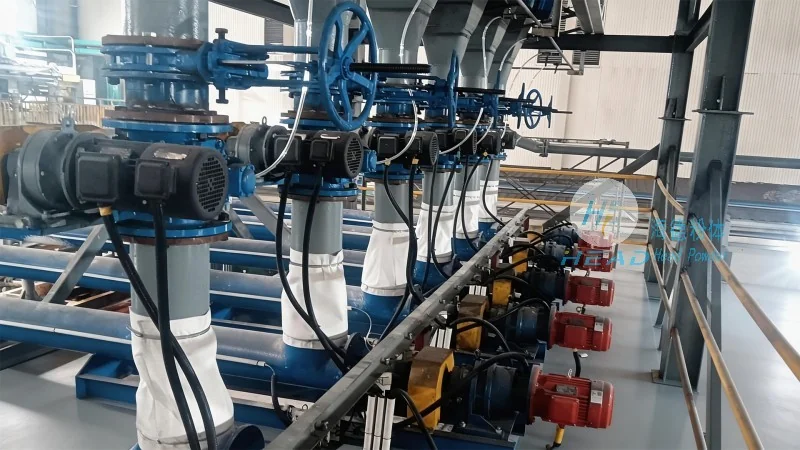
The operation of the calcium chloride pneumatic conveying machine follows a systematic process that involves several stages. Initially, the calcium chloride powder is fed from the hopper into the feeder. The feeder then meters the material at a controlled rate, ensuring that the correct amount is introduced into the conveying pipeline. Simultaneously, the air compressor generates high-pressure air, which is introduced into the pipeline. As the air flows through the pipeline, it creates a flow that entrains the calcium chloride particles, forming a slurry-like mixture known as a "pneumatic stream." This stream travels through the pipeline to the receiver, where the air and material are separated. The air is typically vented to the atmosphere or recirculated, while the calcium chloride powder is collected in the receiver. The system may also include a filter or cyclone to remove any fine particles from the air stream, ensuring that the material is delivered in a clean and efficient manner.
Operation Process: Step-by-Step Guide
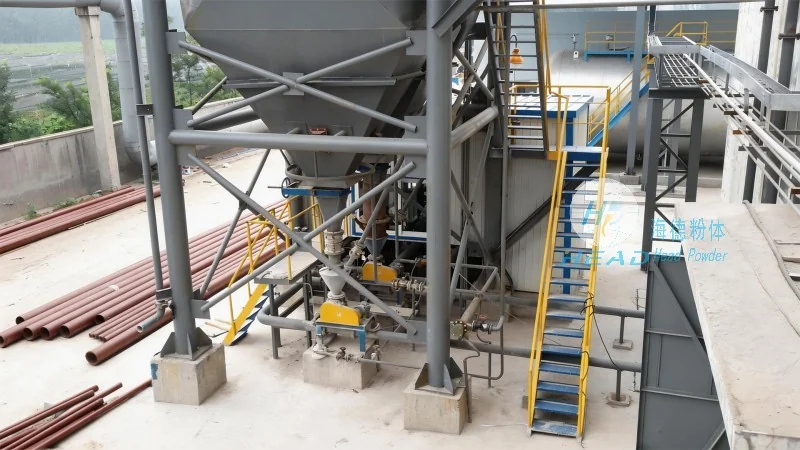
The operation process of the calcium chloride pneumatic conveying machine can be broken down into several key steps to ensure optimal performance. First, the hopper is filled with the required amount of calcium chloride powder. The feeder is then adjusted to set the desired feed rate, which is typically controlled based on the production requirements. Next, the air compressor is started, and the air pressure is adjusted to the appropriate level for the conveying system. Once the system is pressurized, the feeder begins to release the material into the pipeline. The air and material mixture then travels through the pipeline to the receiver. The receiver collects the material and may include a discharge mechanism to transfer the material to the next stage of the production process. Throughout the operation, the system is monitored for pressure, flow rate, and material level to ensure that any issues are detected and addressed promptly. Regular maintenance, such as cleaning the hopper and feeder and checking the air compressor for wear, is essential to maintain the efficiency and longevity of the equipment.
Advantages of Using Pneumatic Conveying for Calcium Chloride
Compared to traditional methods of material handling, such as belt conveyors or bucket elevators, the calcium chloride pneumatic conveying machine offers several advantages. One of the primary benefits is the ability to transport material over long distances without the need for multiple transfer points. This reduces the risk of material spillage and contamination, which is particularly important for calcium chloride due to its hygroscopic nature. The system also minimizes the need for manual handling, improving workplace safety and reducing the risk of occupational injuries. Additionally, the pneumatic conveying system can handle a wide range of particle sizes and moisture contents, making it suitable for various applications. The compact design of the equipment also saves space in industrial facilities, allowing for more efficient use of the available area.
Applications of Calcium Chloride Pneumatic Conveying Equipment
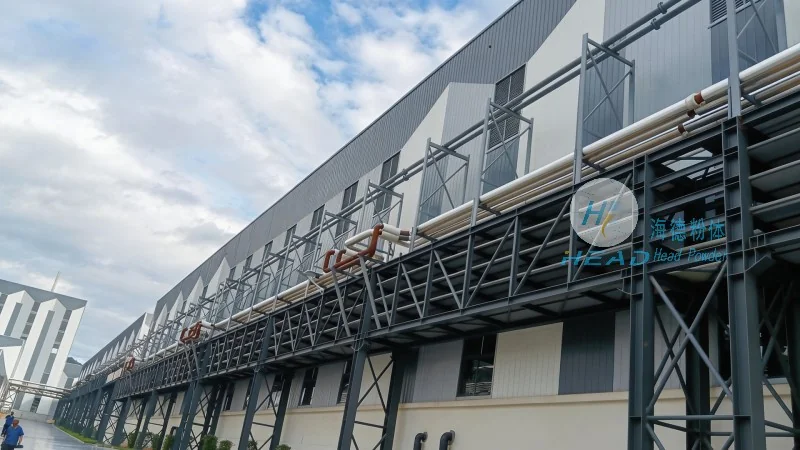
The calcium chloride pneumatic conveying machine is used in a variety of industrial applications where the efficient transport of calcium chloride is required. Common applications include the chemical industry, where calcium chloride is used as a deicing agent, a drying agent, or a raw material for other chemical products. In the construction industry, calcium chloride is used as a concrete admixture to improve the setting time and strength of concrete. The equipment is also used in the food industry, where calcium chloride is used as a food additive to enhance the texture and shelf life of products. In the pharmaceutical industry, calcium chloride is used as a raw material for various medications, and the pneumatic conveying system ensures that the material is handled in a sterile and controlled environment. Overall, the calcium chloride pneumatic conveying machine is a versatile and reliable solution for transporting this essential chemical in various industrial settings.




