Iron powder pneumatic conveying systems are essential in industrial settings for the efficient and safe transportation of iron powder and similar fine powders. These systems leverage compressed air as the primary conveying medium, offering advantages such as dust-free operation, reduced material degradation, and the ability to handle materials in a closed environment. Understanding the operation process and working principles of such equipment is vital for optimizing performance and ensuring reliable material handling.
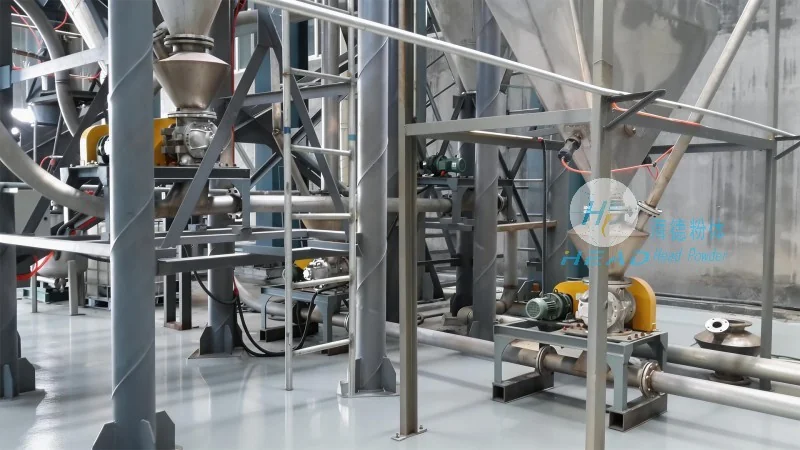
Overview of Iron Powder Pneumatic Conveying Systems
Iron powder pneumatic conveying systems are engineered to move iron powder from a source to a destination using a network of pipes and compressed air. The system typically includes a hopper for material storage, a feeder to control the flow rate, a blower or compressor to generate airflow, a conveying line, and a separation system at the discharge point. Unlike traditional mechanical conveying methods, these systems eliminate the need for mechanical components like belts or buckets, which can cause contamination or material damage.
Key Components and Their Functions
The core components of an iron powder pneumatic conveying system include: 1. Hopper: A container that holds the iron powder, providing a consistent supply of material. 2. Feeder: A device that regulates the amount of iron powder released into the conveying line, ensuring a steady flow. 3. Blower/Compressor: Provides the necessary air pressure and volume to move the iron powder through the system. 4. Conveying Line: A network of pipes that transports the iron powder and air mixture. 5. Separation System: Used to separate the iron powder from the air at the discharge point, often including cyclones or filters. 6. Control System: Monitors and adjusts operational parameters to maintain optimal performance.
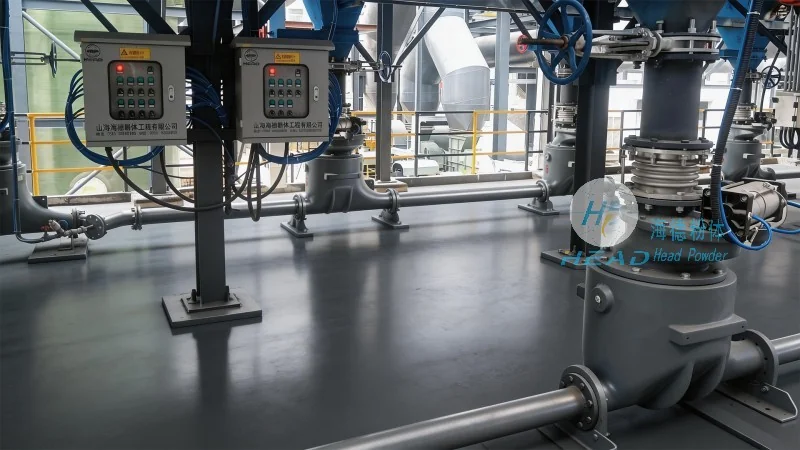
The Working Principle Explained
The operation process starts with iron powder being loaded into the hopper. The feeder then releases a controlled amount of material into the conveying line. Simultaneously, the blower generates high-pressure air, which is introduced into the system. The air flow creates a low-pressure zone, drawing the iron powder into the air stream. As the mixture travels through the pipes, the iron powder is suspended and transported to the discharge point. At the destination, the separation system uses centrifugal force or filtration to separate the iron powder from the air, allowing the powder to be collected while the air is either recirculated or vented.
Step-by-Step Operation Process
1. Material Loading: Iron powder is loaded into the hopper from which it will be conveyed. 2. Feeder Activation: The feeder is activated to release a consistent flow of iron powder into the conveying line. 3. Air Compression: The blower or compressor starts, generating compressed air that enters the system. 4. Conveying: The iron powder is drawn into the air stream and transported through the pipes. 5. Separation: At the discharge point, the air and iron powder mixture enters a separator, where the powder is separated from the air. 6. Collection: The separated iron powder is collected in a container, and the air is filtered or recirculated back to the blower. 7. System Monitoring: The control system continuously monitors pressure, flow rates, and other parameters to ensure efficient and safe operation.
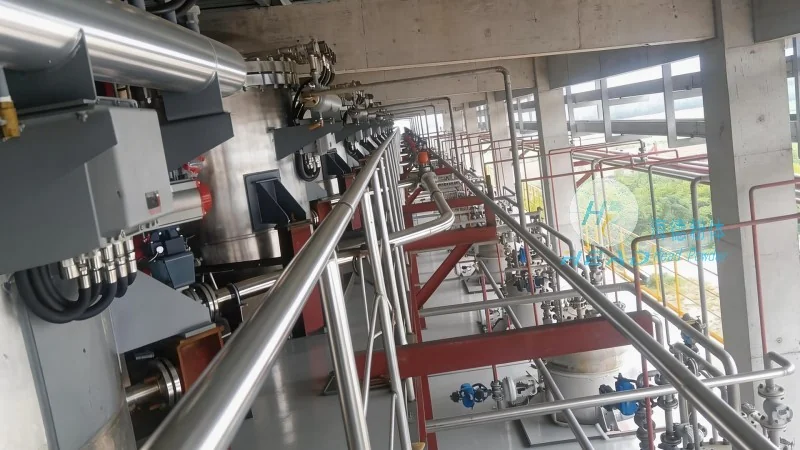
Advantages of Iron Powder Pneumatic Conveying
Iron powder pneumatic conveying systems offer several advantages over traditional mechanical methods. These include: 1. Dust-Free Operation: The closed system prevents dust from escaping, enhancing workplace safety and reducing environmental impact. 2. Reduced Material Degradation: The lack of mechanical contact minimizes the risk of material breakage or degradation, preserving the quality of the iron powder. 3. Flexibility: The system can be easily reconfigured or expanded to adapt to changing production needs or facility layouts. 4. Space Efficiency: The use of pipes allows for compact installation, making it suitable for facilities with limited space. 5. Low Maintenance: With fewer moving parts compared to mechanical systems, the pneumatic system requires less maintenance and has a longer operational lifespan.
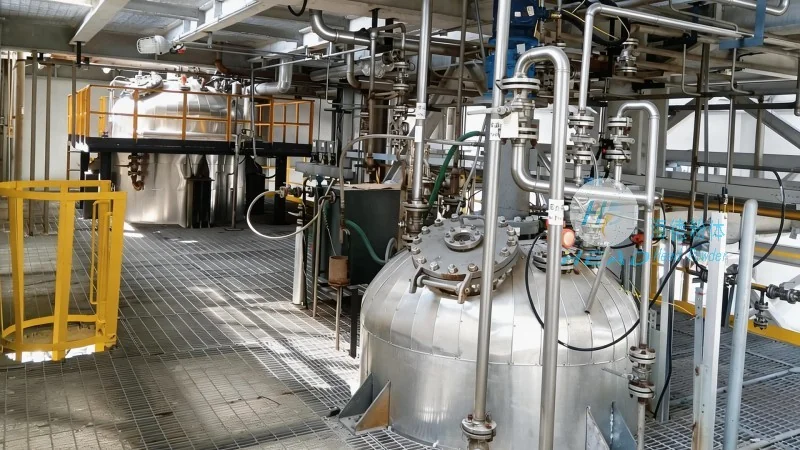
Industrial Applications
Iron powder pneumatic conveying systems are widely used in various industrial applications where iron powder is a critical component. These applications include: 1. Steel Manufacturing: Transporting iron powder for use in steel production processes. 2. Chemical Processing: Conveying iron powder in chemical reactions or as a raw material. 3. Pharmaceuticals: Handling iron powder in pharmaceutical formulations, where contamination control is paramount. 4. Food Processing: Transporting iron powder as a nutritional supplement or ingredient in food products. 5. Electronics: Conveying iron powder for use in electronic components or manufacturing processes.
Maintenance and Troubleshooting Tips
Proper maintenance is essential to ensure the efficient and safe operation of iron powder pneumatic conveying systems. Regular maintenance tasks include: 1. Filter Cleaning: Cleaning or replacing filters in the separation system to prevent clogging and maintain air quality. 2. Pipe Inspection: Checking for leaks or blockages in the conveying lines to ensure smooth material flow. 3. Blower/Compressor Servicing: Inspecting and servicing the blower or compressor to maintain optimal air pressure and flow rates. 4. Feeder Adjustment: Adjusting the feeder to maintain consistent material flow rates. 5. System Calibration: Calibrating the control system to ensure accurate monitoring and adjustment of operational parameters. By following these maintenance practices, operators can extend the lifespan of the system and minimize downtime.




