When designing a rapeseed pneumatic conveying system, several key factors must be considered to ensure efficiency, reliability, and cost-effectiveness. The system's performance is directly influenced by the choice of components, material properties, and operational parameters. This article outlines the essential design considerations for a rapeseed pneumatic conveying system, providing insights into how to optimize the system for maximum productivity.
System Overview and Core Components
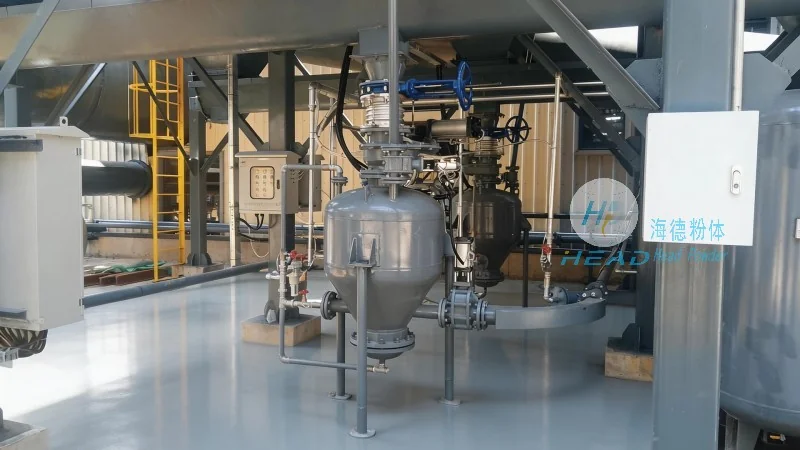
A rapeseed pneumatic conveying system typically consists of several critical components, including a hopper, feeder, air compressor, conveying line, and receiver. The hopper is designed to store and feed the rapeseed, while the feeder ensures a consistent material flow into the system. The air compressor generates the necessary air pressure to transport the rapeseed through the conveying line. The conveying line, often made of stainless steel or other corrosion-resistant materials, is crucial for maintaining the quality of the product and preventing contamination. The receiver collects the conveyed rapeseed and discharges it into the next processing stage.
Material Properties and Handling Challenges
Rapeseed has specific physical and chemical properties that impact the design of the pneumatic conveying system. The seeds are relatively small, with a diameter typically ranging from 2 to 5 millimeters, and have a relatively low bulk density compared to other grains. These characteristics affect the air velocity required for efficient transport. Additionally, rapeseed may contain moisture, which can lead to caking or blockages in the system if not properly managed. The system must be designed to handle these challenges, such as incorporating moisture control measures or using flexible conveying lines to accommodate variations in material flow.
Design Considerations for Airflow and Pressure
The airflow rate and pressure in the pneumatic conveying system are critical parameters that determine the system's capacity and efficiency. The air velocity must be sufficient to overcome the resistance of the conveying line and the weight of the rapeseed particles. However, excessive air velocity can lead to increased energy consumption and potential damage to the equipment. The system design should consider the specific characteristics of rapeseed, such as particle size distribution and moisture content, to determine the optimal air velocity and pressure. This involves calculating the required air volume and pressure based on the system's capacity and the length of the conveying line.
Component Selection and Material Compatibility
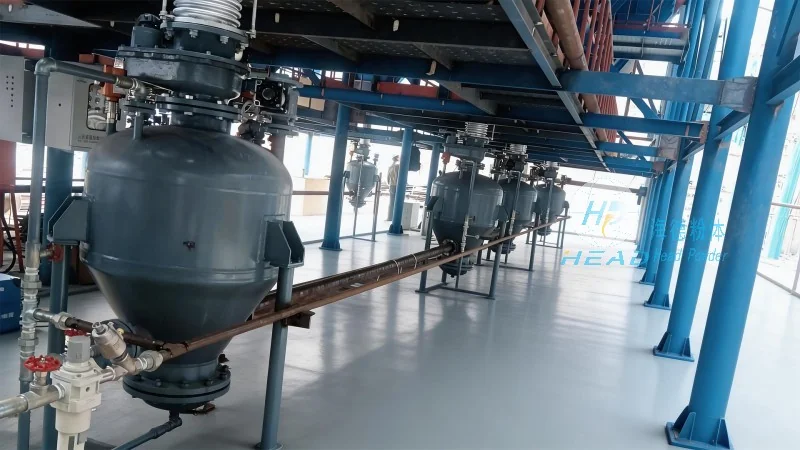
The selection of components for a rapeseed pneumatic conveying system is influenced by the material's properties and the operating environment. For instance, the hopper and feeder should be made of materials that are resistant to corrosion and wear, as rapeseed may contain acidic components that can degrade certain metals over time. Stainless steel is commonly used for these components due to its durability and resistance to corrosion. The air compressor should be chosen based on the required pressure and flow rate, with considerations for noise levels and energy efficiency. The conveying line should be designed to minimize pressure drop and maintain the integrity of the rapeseed, which may require smooth interior surfaces and appropriate diameter to ensure consistent flow.
System Integration and Process Flow
Integrating the pneumatic conveying system into the overall processing line is essential for seamless operation. The system must be designed to work in conjunction with other equipment, such as cleaning, drying, or crushing units, to ensure a smooth flow of materials. The design should consider the layout of the facility, including the position of the hopper, feeder, and receiver, to minimize the length of the conveying line and reduce energy consumption. Additionally, the system should be equipped with monitoring and control systems to allow for real-time adjustments of airflow and pressure, ensuring optimal performance under varying conditions.
Maintenance and Operational Efficiency
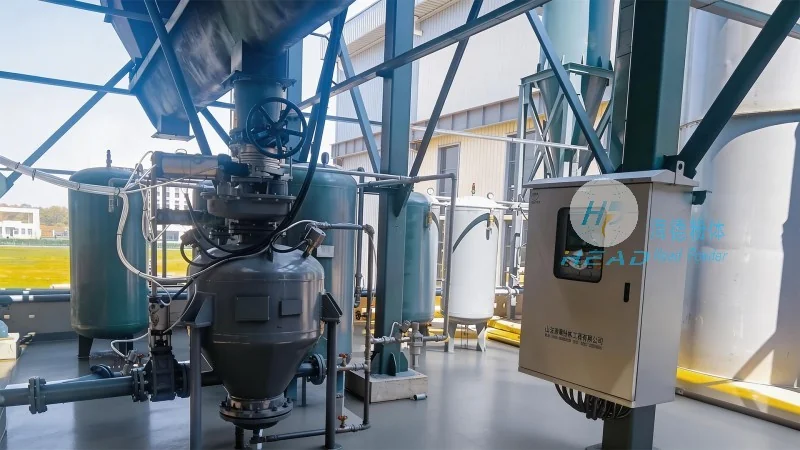
Maintenance is a key aspect of ensuring the long-term efficiency of a rapeseed pneumatic conveying system. Regular maintenance, including cleaning of the conveying line, inspection of components for wear and tear, and replacement of worn parts, is necessary to prevent system failures and maintain performance. The system design should incorporate features that facilitate easy maintenance, such as accessible hoppers and feeder mechanisms, and clear indicators for pressure and flow levels. Operational efficiency can also be enhanced by implementing energy-saving measures, such as variable speed drives for the air compressor, which adjust the airflow based on the system's demand.
Case Study: Implementation by Shandong HeadPowder Engineering Co., Ltd.
Shandong HeadPowder Engineering Co., Ltd., a leading provider of pneumatic conveying solutions, has successfully implemented rapeseed pneumatic conveying systems for various clients. The company's expertise in system design and integration has resulted in optimized solutions that meet the specific needs of each client. For example, one project involved the design of a system for a rapeseed processing plant in Shandong, China, where the system was tailored to handle the plant's high-volume production requirements. The system included a large hopper, a high-capacity feeder, and a long conveying line, all designed to ensure consistent and efficient transport of rapeseed. The implementation of the system resulted in improved productivity and reduced operational costs for the client.
Conclusion and Future Considerations
In conclusion, the design of a rapeseed pneumatic conveying system requires careful consideration of various factors, including material properties, airflow, component selection, and system integration. By addressing these considerations, engineers can develop a system that is efficient, reliable, and cost-effective. As technology advances, future considerations may include the integration of automation and smart monitoring systems to further enhance the performance and efficiency of pneumatic conveying systems. The key is to balance the technical requirements with the operational needs of the client to achieve the best possible results.




