HeadPowder, a prominent manufacturer headquartered in Shandong, China, specializes in the development and production of advanced pneumatic conveying systems tailored for handling materials such as silica fume. This article delves into the operation process and working principles of silica fume pneumatic conveying machines, elucidating the critical components and efficient methodologies employed to transport this fine powder with precision and reliability.
Key Components of Silica Fume Pneumatic Conveying Systems
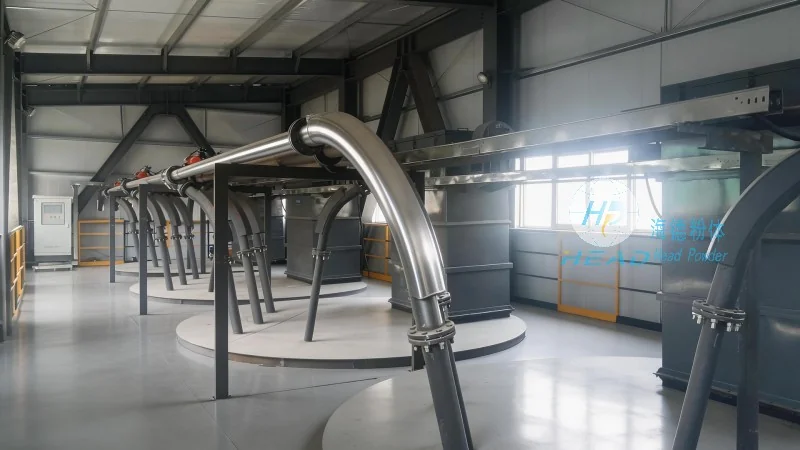
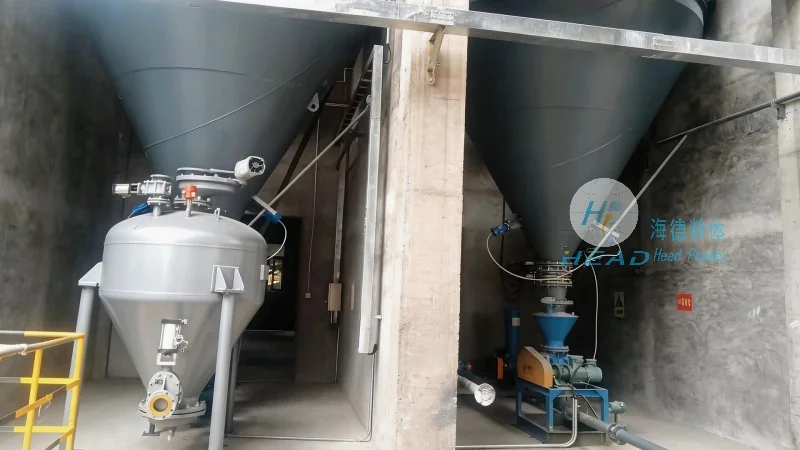
The silica fume pneumatic conveying system comprises several integral components that collaborate to ensure efficient material transport. These components include a material hopper for storage, a rotary feeder or valve to regulate silica fume discharge, a conveying pipeline (often equipped with bends and straight sections), a dust separator or filter to capture fine particles, and a vacuum or pressure source to generate the airflow. Each component is meticulously designed to address the unique challenges of handling silica fume, such as its fine particle size and propensity for dust generation. The hopper typically features a large capacity to accommodate bulk material, while the rotary feeder ensures a controlled and consistent flow into the conveying line. The conveying pipeline is constructed from materials like stainless steel to resist corrosion and maintain material integrity. The dust separator, often a combination of a cyclone and a bag filter, effectively captures any escaped particles, ensuring the transported material remains clean and free from contamination.
Operation Process of Silica Fume Pneumatic Conveying
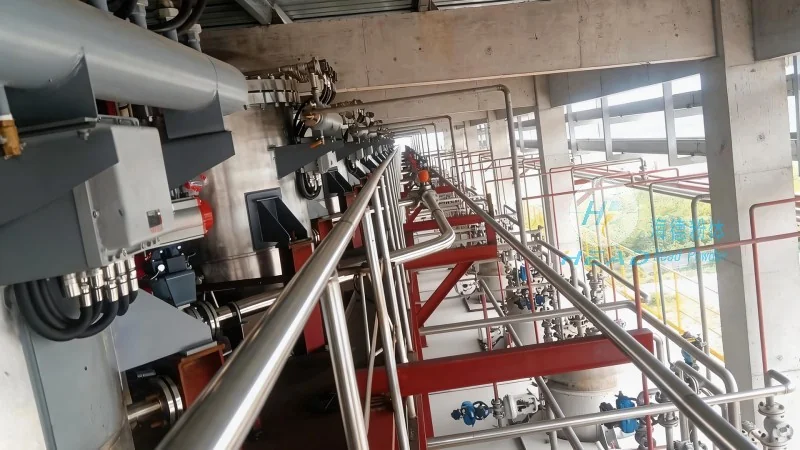
The operation process of a silica fume pneumatic conveying machine begins with the loading of silica fume into the hopper. Once the hopper is filled, the rotary feeder or valve is activated to control the discharge rate of the material. Simultaneously, the vacuum or pressure system is started to generate the necessary airflow. In a pressure system, compressed air is introduced into the pipeline, creating a high-pressure environment that propels the silica fume particles forward. The particles are suspended in the air stream, allowing them to move through the pipeline with minimal friction. In a vacuum system, a vacuum is created at the receiving end, drawing the silica fume particles from the hopper through the line. The conveying line may include bends or changes in direction, which are designed to minimize particle separation and maintain a consistent flow. The dust separator at the end of the line captures any fine particles that may have escaped, ensuring the material reaches its destination without loss or contamination. Throughout the process, operators monitor key parameters such as pressure, vacuum, and flow rate to ensure optimal performance and detect any potential issues like clogging or air leakage.
Working Principle of Pneumatic Conveying for Silica Fume
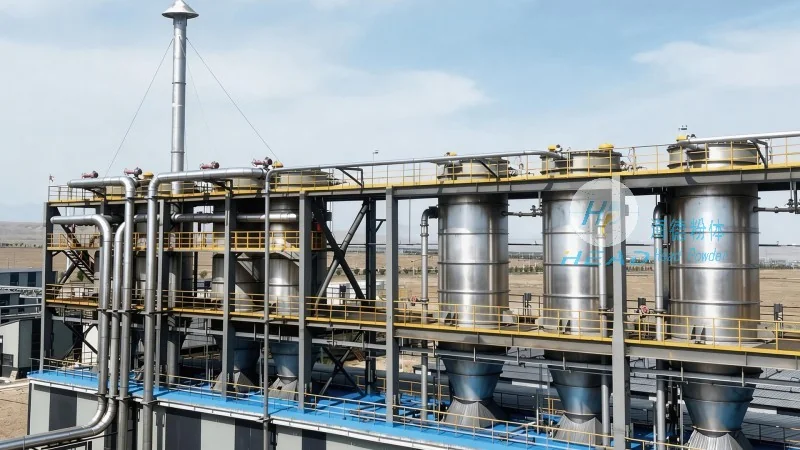
The working principle of silica fume pneumatic conveying is rooted in fluid dynamics and particle transport theory. In a pressure system, the compressed air provides the driving force to move the silica fume particles. The particles are suspended in the air stream, and their movement is governed by the balance between the air velocity and the particle's terminal velocity. The design of the conveying line, including the diameter and length, is optimized to achieve the desired flow rate while minimizing energy consumption. In a vacuum system, the opposite force is applied: the vacuum at the receiving end creates a pressure differential that pulls the material through the pipeline. The interaction between the air flow and the particles is critical, as it determines the efficiency of the transport. For silica fume, which has a fine particle size and low bulk density, the system must be designed to prevent particle segregation and maintain a uniform flow. This is achieved through the use of appropriate air velocities and pipeline configurations, ensuring that the material remains suspended and transported effectively.




