HeadPowder, a leading provider of industrial conveying solutions, specializes in the design, manufacturing, and installation of PVC powder pneumatic conveying machines. With a strong presence in Shandong, China, the company has established itself as a trusted partner for businesses seeking efficient and reliable powder handling systems. This article delves into the operation process and working principle of these advanced machines, highlighting their key features and benefits.
Introduction to PVC Powder Pneumatic Conveying Systems
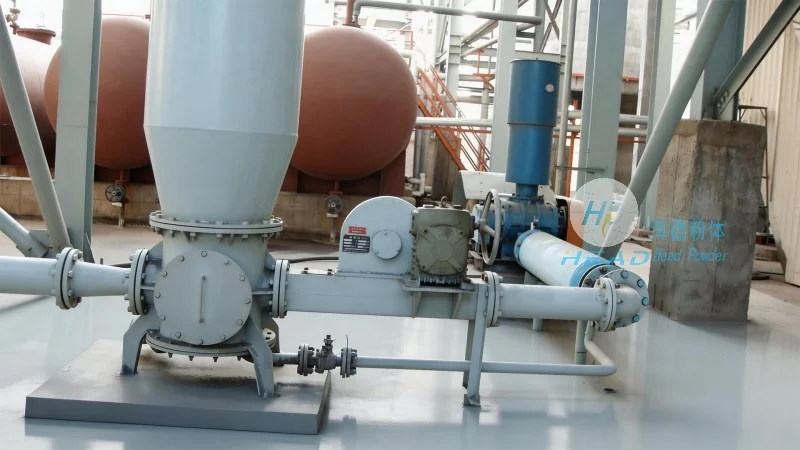
PVC powder pneumatic conveying machines are essential equipment in various industrial applications, particularly in the processing of plastic powders and other fine materials. These systems utilize air pressure to transport dry powders from one location to another, offering a cost-effective and flexible solution compared to traditional mechanical conveying methods. The technology behind these machines combines pneumatic principles with robust engineering to ensure efficient material movement while maintaining product integrity.
Key Components of a PVC Powder Pneumatic Conveying Machine
Understanding the operation of a PVC powder pneumatic conveying machine begins with an overview of its main components. Each part plays a critical role in the overall system performance. The primary components include the hopper, which serves as the material storage and feeding unit; the air compressor or blower, responsible for generating the necessary air pressure; the pipeline system, which transports the material and air; the control valves and regulators, which manage the flow and pressure; and the discharge unit, where the material is released at the destination. Additionally, some systems may incorporate filters and cyclones to separate the material from the air, ensuring clean and efficient operation.
The Working Principle: How the Machine Transports PVC Powder
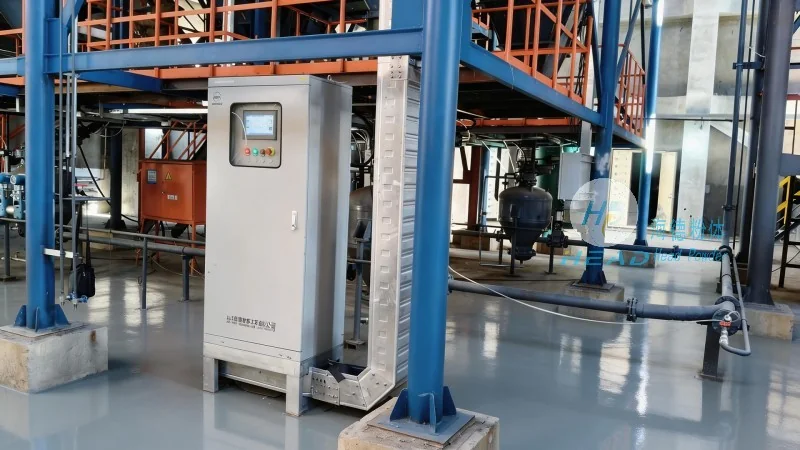
The operation of a PVC powder pneumatic conveying machine follows a systematic process that involves several stages. Initially, the PVC powder is fed into the hopper from a storage silo or a bulk container. The material then flows into the pipeline as the air compressor generates a high-pressure air stream. The air and powder mixture travels through the pipeline, with the air providing the necessary force to move the powder particles. As the mixture moves, it may encounter bends or changes in direction, which are designed to minimize material degradation and ensure smooth flow. At the discharge point, the air and powder separate, with the air being filtered and recycled back to the system, while the powder is collected in the receiving container. This process is typically controlled by a programmable logic controller (PLC) or a manual control system, allowing for precise adjustment of the conveying rate and pressure.
Operation Process: Step-by-Step Guide
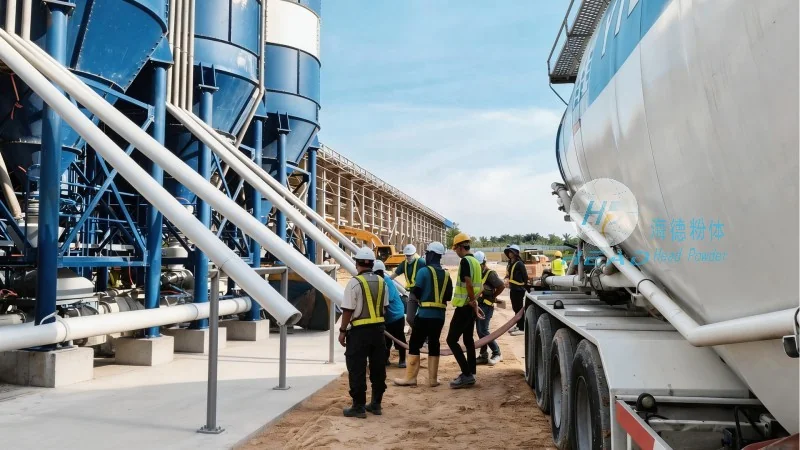
Operating a PVC powder pneumatic conveying machine involves a series of steps to ensure optimal performance and safety. The process begins with the preparation of the system, which includes checking the air compressor, verifying the pipeline integrity, and ensuring the hopper is properly loaded with the PVC powder. Once the system is ready, the air compressor is started, and the conveying process is initiated by opening the control valves. The material is then transported from the source to the destination, with the system monitoring the pressure and flow rates to maintain consistent performance. During operation, it is important to monitor the system for any signs of blockage or pressure fluctuations, as these can indicate issues that need to be addressed promptly. The process concludes when the material has been fully transferred, and the system is shut down in a controlled manner, with the air being vented and the system being cleaned if necessary.
Advantages of Using PVC Powder Pneumatic Conveying Machines
PVC powder pneumatic conveying machines offer several advantages over traditional conveying methods, making them a preferred choice for many industries. One of the key benefits is the ability to transport materials over long distances without the need for multiple transfer points or intermediate storage. This reduces the risk of material contamination and improves overall efficiency. Additionally, the system is relatively compact and can be easily integrated into existing production lines, saving space and installation costs. The pneumatic conveying process also minimizes material degradation, as the powder is not subjected to mechanical stress or friction during transport. Furthermore, the system can handle a wide range of powder characteristics, including different particle sizes, densities, and moisture contents, making it versatile for various applications. Finally, the use of air as the conveying medium allows for easy cleaning and maintenance, as the system can be flushed with air or other cleaning agents to remove any residual material.
Applications and Industries
PVC powder pneumatic conveying machines are widely used in various industries that handle fine powders and granules. Some of the key applications include the plastic manufacturing industry, where PVC powder is used in the production of pipes, sheets, and other products. The food and beverage industry also utilizes these systems for transporting dry ingredients such as flour, sugar, and spices. Additionally, the pharmaceutical industry benefits from the clean and hygienic design of the machines, which is essential for handling sensitive materials. Other industries that use PVC powder pneumatic conveying systems include chemical processing, mining, and agriculture, where the efficient transport of powders is critical to operational success.
Maintenance and Troubleshooting
To ensure the long-term performance and reliability of a PVC powder pneumatic conveying machine, regular maintenance is essential. The maintenance schedule typically includes routine checks of the air compressor, pipeline system, and control valves. The air compressor should be inspected for wear and tear, and the filters should be cleaned or replaced as needed to maintain optimal air quality. The pipeline system should be checked for any signs of blockage or damage, and the hopper and discharge unit should be cleaned to prevent material buildup. In case of any issues, such as pressure drops or material blockages, the system should be shut down immediately and inspected for the root cause. Common troubleshooting steps include checking the air supply, verifying the material feed rate, and inspecting the filters and cyclones for clogging. By following a regular maintenance schedule and addressing issues promptly, the system can operate efficiently and provide reliable performance for years to come.
Conclusion
PVC powder pneumatic conveying machines are advanced industrial solutions that offer efficient, reliable, and flexible transport of PVC powder and other fine materials. With their robust design and comprehensive features, these machines are ideal for various applications across different industries. By understanding the operation process and working principle, as well as the key components and maintenance requirements, users can maximize the performance and lifespan of their conveying systems. HeadPowder, with its expertise and commitment to quality, continues to provide top-tier solutions for businesses seeking to enhance their material handling processes.




