Shandong HeadPowder Engineering Co., Ltd., a professional manufacturer based in Shandong, China, specializes in the design, production, and supply of advanced pneumatic conveying systems, particularly for handling magnesium powder and other fine powders. The company's expertise lies in developing efficient and reliable equipment that ensures safe and effective material transport in industrial applications.
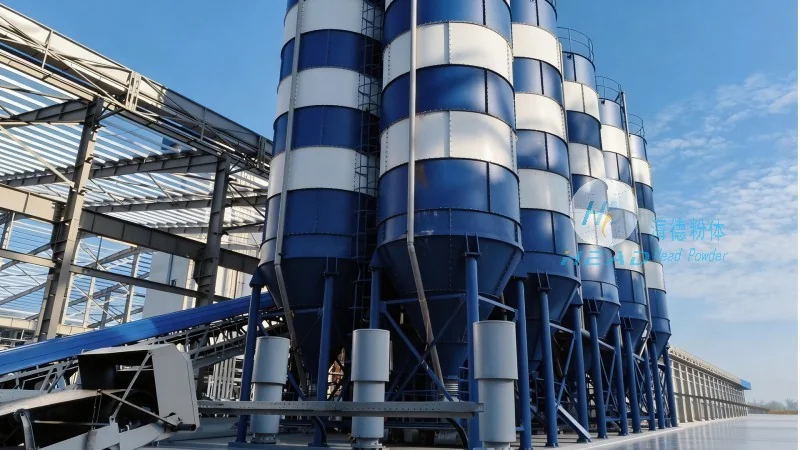
Introduction to Magnesium Powder Pneumatic Conveying Systems
At HeadPowder, our pneumatic conveying machines are engineered to handle the unique challenges of transporting magnesium powder, a material known for its reactivity and fine particle size. These systems utilize air as the conveying medium, enabling the transport of bulk materials from one location to another without the need for mechanical components like belts or screws. The core of our design focuses on maintaining material integrity, preventing dust contamination, and ensuring consistent flow rates, which are critical for processes involving magnesium powder in various industries such as metallurgy, chemical processing, and pharmaceuticals.
Key Components of the Pneumatic Conveying Machine
The magnesium powder pneumatic conveying machine consists of several essential components that work in tandem to achieve efficient material transport. These include a hopper for material storage, a feeder to control the flow of powder into the system, a conveying line (often equipped with bends or elbows to navigate the path), a receiver or discharge point where the material is deposited, and a blower or compressor that generates the air pressure needed for conveying. Each component is carefully selected and integrated to ensure optimal performance and minimal maintenance.
Working Principle of the Pneumatic Conveying Process
The operation of the magnesium powder pneumatic conveying machine begins with the material being fed from the hopper into the conveying line. The feeder, typically a rotary valve or a screw feeder, regulates the amount of powder entering the system, ensuring a steady flow. Simultaneously, the blower generates a high-pressure air stream that is introduced into the conveying line. As the air flows through the line, it entrains the magnesium powder particles, creating a mixture of air and powder known as a "pneumatic stream." This stream travels through the conveying line, overcoming any obstacles such as bends or changes in elevation, and is then discharged into the receiver at the destination. The air then escapes through a filter or vent, while the magnesium powder is collected in the receiver, completing the transport cycle.
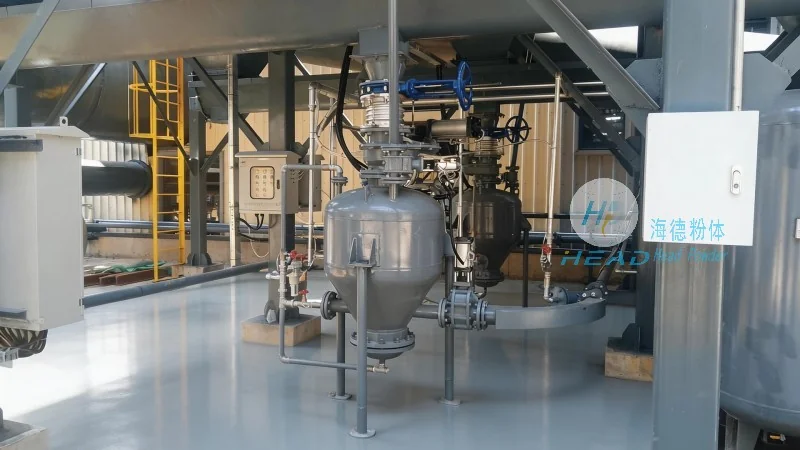
Operation Process: Step-by-Step Guide
The operation of the magnesium powder pneumatic conveying machine follows a systematic process to ensure smooth and efficient material handling. First, the hopper is filled with magnesium powder, and the system is checked for any obstructions or leaks. Next, the feeder is adjusted to the desired flow rate, which is critical for maintaining consistent pressure and preventing blockages. The blower is then started, and the air pressure is monitored to ensure it meets the required level for conveying the powder. As the material is fed into the system, the conveying line fills with the air-powder mixture, and the material is transported to the receiver. The receiver is then emptied, and the cycle repeats. Throughout the operation, the system is monitored for any signs of pressure drop or abnormal flow, which may indicate a blockage or other issues that need to be addressed promptly.
Advantages of Using Magnesium Powder Pneumatic Conveying Machines
Utilizing a pneumatic conveying system for magnesium powder offers several advantages over traditional mechanical conveying methods. Firstly, it eliminates the need for moving parts in contact with the material, reducing the risk of contamination and wear. Secondly, the system provides a closed-loop operation, which helps in controlling dust emissions and maintaining a clean working environment. Thirdly, the ability to handle fine powders without segregation or agglomeration ensures consistent material quality. Additionally, the flexibility of the system allows for easy integration into existing production lines, and the low maintenance requirements contribute to cost savings over time.
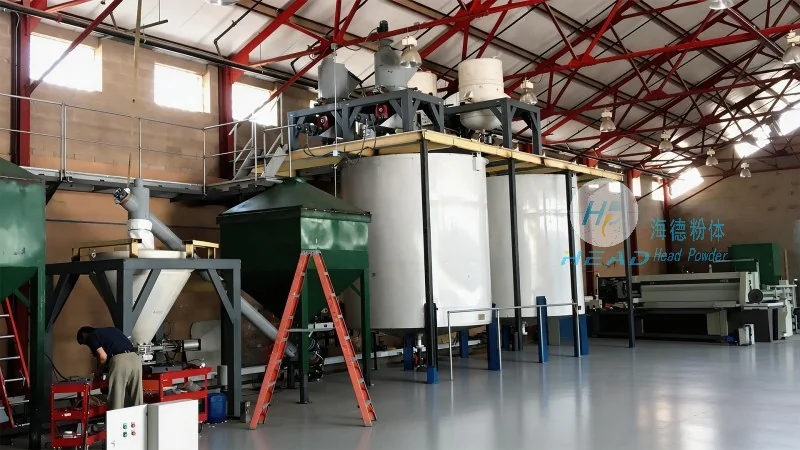
Applications and Industries
Magnesium powder pneumatic conveying machines are widely used in various industries that require the transport of fine powders. In the metallurgical industry, they are used for transporting magnesium powder in the production of magnesium alloys and other metal products. In chemical processing, they facilitate the handling of magnesium-based chemicals and additives. The pharmaceutical industry also benefits from these systems for transporting magnesium-based ingredients in drug formulations. Furthermore, in the food industry, where magnesium powder may be used as a supplement or additive, the closed-loop design ensures food safety and compliance with regulatory standards.
Maintenance and Safety Considerations
Proper maintenance and safety measures are essential for the reliable operation of magnesium powder pneumatic conveying machines. Regular inspection of components such as the hopper, feeder, and conveying line is necessary to detect any signs of wear or damage. The blower and compressor should be checked for proper lubrication and air pressure to ensure efficient operation. Dust control is a critical safety aspect, as magnesium powder can be a respiratory hazard. The system should be equipped with appropriate filters and ventilation systems to minimize dust exposure. Additionally, the machine should be grounded to prevent static buildup, which can cause sparks and pose a fire risk, especially when handling reactive materials like magnesium powder.
Conclusion
Shandong HeadPowder Engineering Co., Ltd. provides high-quality magnesium powder pneumatic conveying machines that are designed to meet the demanding requirements of industrial applications. By understanding the operation process and working principles of these systems, users can optimize their material handling processes, improve efficiency, and ensure safety. The company's commitment to innovation and quality ensures that their equipment remains at the forefront of pneumatic conveying technology, providing reliable solutions for the transport of magnesium powder and other fine materials.




