HeadPowder, a leading manufacturer based in Shandong, China, specializes in the design, development, and production of advanced pneumatic conveying systems tailored for handling fiber materials. This article provides a detailed overview of the operation process and working principles of fiber material pneumatic conveying equipment, highlighting the key components, operational steps, and technical considerations that ensure efficient and reliable material transport.
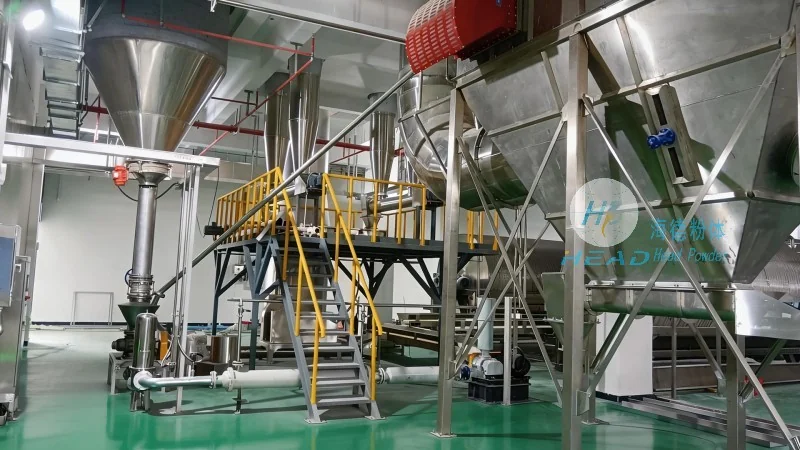
Understanding Pneumatic Conveying Systems for Fiber Materials
Pneumatic conveying systems are widely used in various industrial applications to transport bulk materials, including fibers, through the use of air or gas as the conveying medium. For fiber materials, which often present unique challenges such as low bulk density, high dust content, and variable flow characteristics, specialized equipment is required to maintain material integrity and system efficiency. The systems typically consist of several key components, including a material hopper, a feeder, a conveying line, a separator, and a receiver, each playing a critical role in the overall operation.
Key Components of Fiber Material Pneumatic Conveying Equipment
The material hopper is the primary storage vessel where the fiber material is loaded. It is designed to accommodate the bulk density and flow characteristics of the specific fiber type, ensuring consistent material supply to the feeder. The feeder, often a rotary valve or a screw feeder, regulates the flow rate of the fiber material into the conveying line. This component is crucial for maintaining a stable and controlled feed, preventing blockages and ensuring uniform material transport. The conveying line, usually made of stainless steel or other corrosion-resistant materials, is where the fiber material is transported by the air flow. The design of the conveying line, including the pipe diameter, length, and bends, is optimized to minimize pressure drop and maintain the material's integrity. The separator, typically a cyclone or a bag filter, is used to separate the conveying air from the fiber material at the end of the line. This component is essential for maintaining air quality and preventing dust contamination. Finally, the receiver is the final storage vessel where the conveyed fiber material is deposited.
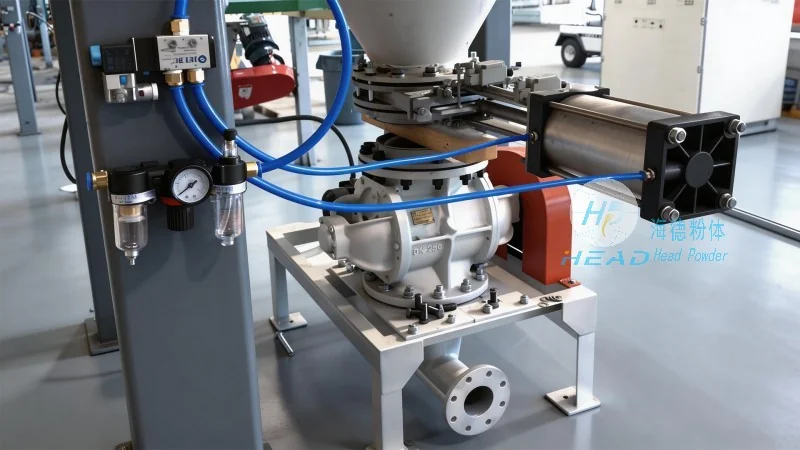
The Operation Process of Fiber Material Pneumatic Conveying
The operation process of fiber material pneumatic conveying involves several sequential steps, each coordinated to ensure efficient material transport. The process begins with the loading of the fiber material into the material hopper. The feeder then starts to regulate the flow rate, feeding the material into the conveying line at a controlled rate. Simultaneously, the conveying air is introduced into the system, creating a flow that propels the fiber material through the line. As the material travels through the conveying line, it may encounter bends or changes in direction, which are designed to minimize pressure loss and maintain the material's flow characteristics. At the receiving end, the separator separates the conveying air from the fiber material, allowing the clean material to be deposited into the receiver. The system may also include a vacuum or pressure control system to regulate the air flow and maintain the desired conveying pressure. Throughout the operation, sensors and control systems monitor key parameters such as pressure, flow rate, and material level, ensuring the system operates within optimal conditions and preventing any potential issues.
Working Principle of Fiber Material Pneumatic Conveying
The working principle of fiber material pneumatic conveying is based on the principle of fluidization and suspension. The conveying air is introduced into the conveying line at a sufficient velocity to lift and suspend the fiber particles in the air stream. The air flow carries the fiber material through the system, maintaining the material in a suspended state to prevent settling or blockages. The key to efficient operation is achieving the correct air velocity and pressure, which depends on the properties of the fiber material, such as particle size, density, and moisture content. For fiber materials, which often have low bulk density and high dust content, the system must be designed to handle these characteristics effectively. The use of specialized components, such as high-efficiency separators and corrosion-resistant materials, ensures that the system can handle the unique challenges associated with fiber materials while maintaining high efficiency and reliability.
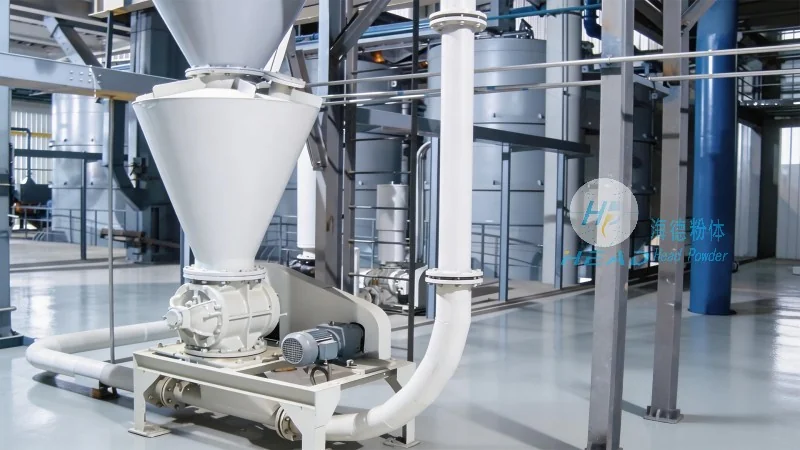
Technical Considerations for Efficient Fiber Material Conveying
Several technical considerations are essential for ensuring the efficient and reliable operation of fiber material pneumatic conveying systems. First, the selection of the appropriate conveying method, either pressure or vacuum, depends on the specific application and the distance and height of the material transport. Pressure systems are typically used for short to medium distances and vertical lifts, while vacuum systems are suitable for longer distances and horizontal transport. Second, the design of the conveying line must account for the material's flow characteristics, including its bulk density, angle of repose, and flowability. The pipe diameter and length are optimized to maintain a consistent pressure drop and prevent excessive energy consumption. Third, the use of appropriate filtration and separation equipment is crucial for maintaining air quality and preventing dust contamination. High-efficiency cyclones or bag filters are commonly used to separate the conveying air from the fiber material, ensuring that the system meets environmental and safety standards. Finally, regular maintenance and monitoring of the system components are essential to ensure long-term performance and reliability. This includes checking for wear and tear on components, cleaning filters, and monitoring pressure and flow rates to identify any potential issues before they become major problems.
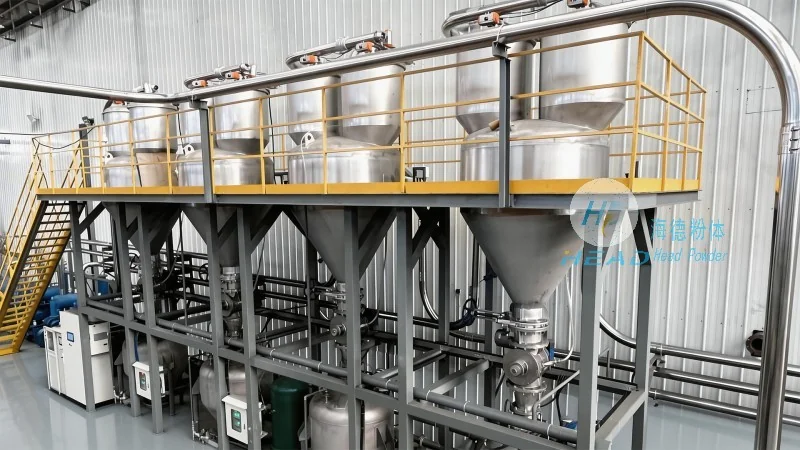
Applications of Fiber Material Pneumatic Conveying Systems
Fiber material pneumatic conveying systems are widely used in various industrial applications, including the paper and pulp industry, where fiber materials such as wood chips, pulp, and recycled paper are transported. In the textile industry, fiber materials such as cotton, polyester, and other synthetic fibers are conveyed for processing and manufacturing. The food industry also utilizes these systems for transporting fiber-rich materials such as wheat bran, corn fiber, and other food additives. In addition, the chemical and pharmaceutical industries use pneumatic conveying systems to transport fiber-based raw materials and products. The versatility of these systems makes them suitable for a wide range of applications, providing efficient and reliable material transport solutions for various industries.
Conclusion
HeadPowder's fiber material pneumatic conveying equipment is designed to provide efficient, reliable, and cost-effective solutions for handling fiber materials in various industrial applications. By understanding the operation process and working principles of these systems, users can optimize their material transport processes, improve system efficiency, and ensure the integrity of the fiber material being conveyed. With its advanced design and robust construction, HeadPowder's equipment is a reliable choice for industries requiring high-performance pneumatic conveying systems for fiber materials.




