Polystyrene pneumatic conveying represents a sophisticated material handling technique that utilizes air or gas to transport polystyrene particles through a pipeline. This method stands as a modern alternative to conventional mechanical conveying systems, offering advantages such as reduced dust generation and enhanced safety. Polystyrene, a widely used thermoplastic in packaging, insulation, and industrial applications, often requires specialized transport solutions due to its lightweight and fine particle characteristics. Understanding the underlying principles and design considerations of polystyrene pneumatic conveying is essential for professionals aiming to implement or optimize such systems in their operations.
About HeadPowder: Your Expert in Pneumatic Conveying Solutions
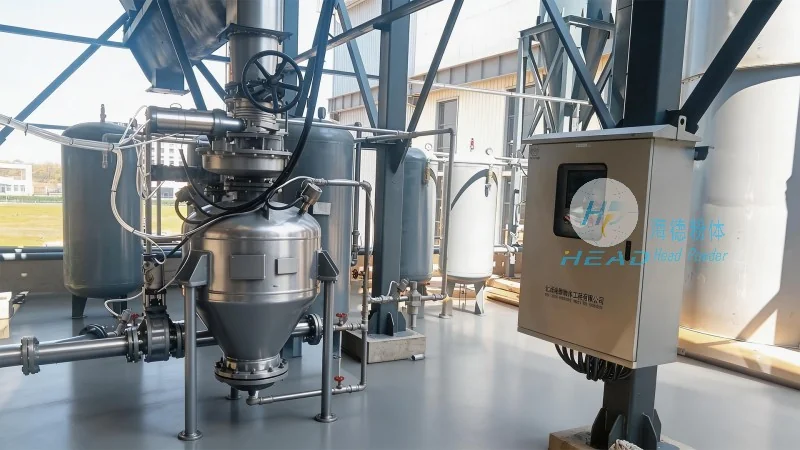
HeadPowder, formally known as Shandong HeadPowder Engineering Co., Ltd., is a prominent enterprise dedicated to providing advanced pneumatic conveying systems tailored to the demands of industries handling polystyrene and other fine materials. With a strong emphasis on innovative engineering and precision, HeadPowder has built a reputation as a trusted partner in material handling technology. Headquartered in Shandong, China, the company leverages years of industry experience to deliver customized solutions that improve operational efficiency, minimize downtime, and ensure compliance with industry standards. Their expertise covers the entire lifecycle of pneumatic conveying systems, from initial design and installation to ongoing maintenance and technical support.
Core Design Principles of Polystyrene Pneumatic Conveying Systems
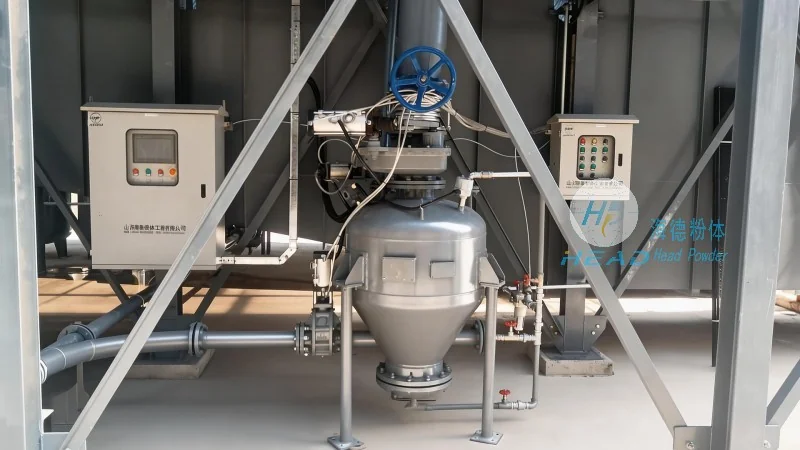
The design of a polystyrene pneumatic conveying system is governed by several critical principles that ensure reliable and efficient material transport. The first principle involves the selection of the appropriate conveying medium, typically air, which is pressurized to move the polystyrene particles through the pipeline. The system must be engineered to accommodate the unique properties of polystyrene, including its density, particle size distribution, and flow behavior. These characteristics directly impact the system's air velocity requirements and overall energy consumption.
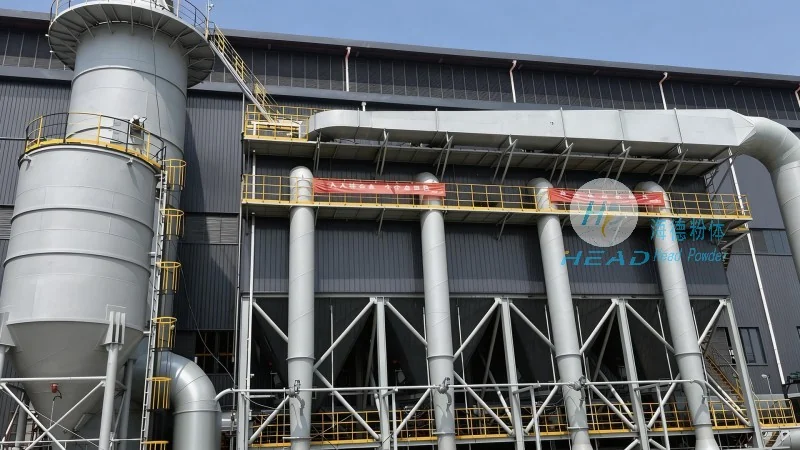
Another fundamental design principle is the choice between dilute-phase and dense-phase conveying configurations. Dilute-phase systems operate at lower air velocities, where polystyrene particles are suspended in the air stream, making them ideal for shorter distances and lighter materials like polystyrene. Dense-phase systems, conversely, use higher air pressures and lower velocities to push the material in a plug flow, reducing the risk of material degradation and pipeline blockages. The selection between these configurations depends on factors such as the transport distance, material volume, and the need for gentle handling to preserve product integrity.
System components are meticulously designed and integrated to ensure optimal performance. Key components include a hopper or feeder for material introduction, a blower or compressor to generate the necessary air pressure, a pipeline network for transport, and a receiver or discharge unit for material collection. The hopper design must prevent issues like material bridging or segregation, which can disrupt flow rates and system efficiency. The blower must provide sufficient pressure and airflow to move the polystyrene particles without causing excessive wear or energy waste. The pipeline must be appropriately sized and supported to minimize pressure drop and ensure smooth material transport, often requiring materials resistant to the abrasive nature of polystyrene particles.
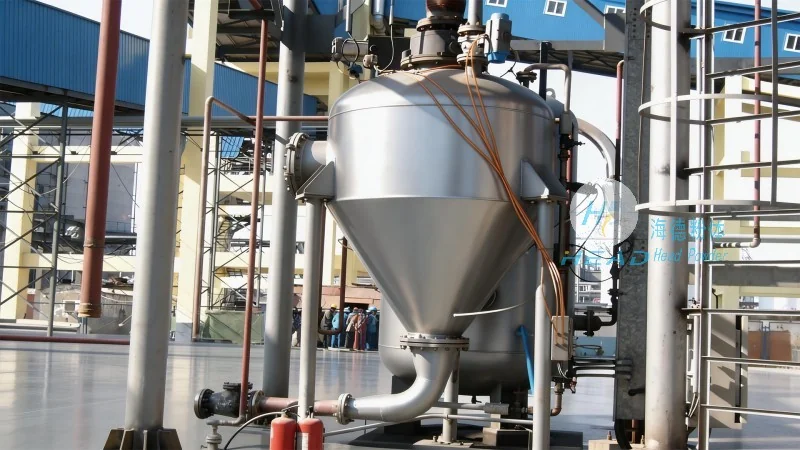
Control systems play a vital role in the design, enabling real-time monitoring and adjustment of the conveying process. These systems may incorporate pressure sensors, flow meters, and control valves to regulate air pressure and flow rate. By integrating these controls, the system can maintain consistent performance, prevent overloading, and respond to changes in material feed or system conditions. This level of automation enhances operational reliability, reduces the need for manual intervention, and ultimately improves productivity while lowering labor costs.




