Beer brewery sludge, also known as brewery waste or spent grain residue, is a byproduct generated during the brewing process. This material, rich in organic matter and nutrients, requires efficient handling and transportation for proper disposal or reuse. Pneumatic conveying systems offer a solution to this challenge by utilizing air pressure to transport sludge through pipelines, providing a hygienic, dust-free, and energy-efficient method compared to traditional methods like trucks or conveyor belts.
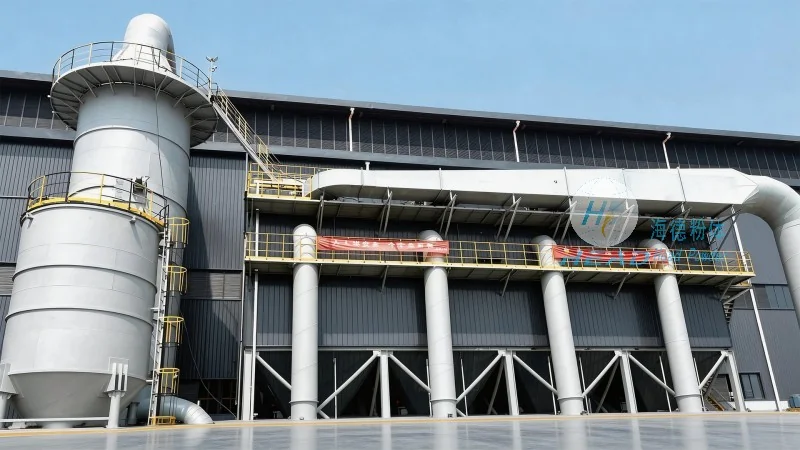
Understanding Pneumatic Conveying Systems
Pneumatic conveying is a technology that moves bulk materials through a closed system using compressed air or other gas. In the context of beer brewery sludge, this system is designed to handle the unique characteristics of the material, such as its high moisture content, variable particle size, and potential odor. The system typically consists of a hopper for material storage, a blower or compressor to generate the air flow, a pipeline network to transport the sludge, and a receiver or discharge point for the material. The choice between positive and negative pressure systems depends on factors like the distance to be covered, the material's properties, and the desired system efficiency.
Key Design Principles for Beer Brewery Sludge Pneumatic Conveying
The design of a pneumatic conveying system for beer brewery sludge involves several critical principles to ensure optimal performance and reliability. First, the system must be capable of handling the high moisture content of the sludge, which can affect air flow and pipeline pressure. This often requires the use of specialized equipment, such as rotary airlocks or vacuum pumps, to maintain consistent material flow. Second, the system must address the potential for clogging or blockages in the pipeline, which can be caused by the sticky or fibrous nature of the sludge. Solutions include using flexible hoses, installing cleaning mechanisms like air knives or purge lines, and selecting appropriate pipeline materials that resist corrosion and abrasion. Third, the system's energy efficiency is a key consideration, as the operation of blowers and compressors can be a significant cost factor. Designers may incorporate energy-saving features like variable frequency drives (VFDs) to adjust air pressure based on the material flow rate, or use high-efficiency blowers to minimize energy consumption. Fourth, the system must meet hygiene and sanitary standards, as the sludge may contain microorganisms or odors that could affect the surrounding environment. This includes using stainless steel components, easy-to-clean surfaces, and sealed systems to prevent contamination. Finally, the system's scalability and adaptability are important, as breweries may expand their operations or change their sludge handling processes over time. A modular design allows for easy upgrades or modifications without disrupting the entire system.
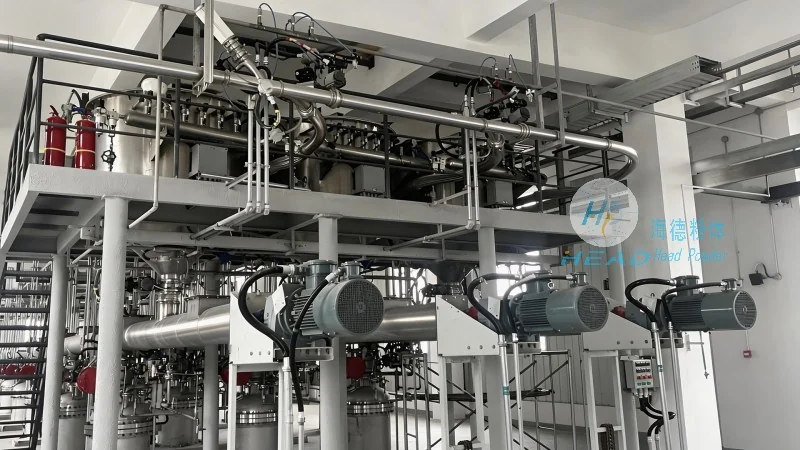
Components and Their Roles in the System
Each component of a pneumatic conveying system for beer brewery sludge plays a vital role in ensuring the system operates effectively. The hopper or storage silo is the starting point, where the sludge is collected and stored before being fed into the system. It is typically equipped with a rotary valve or feeder to control the flow rate of the material into the pipeline. The blower or compressor is the heart of the system, providing the necessary air pressure to move the sludge through the pipeline. The choice of equipment depends on the system's capacity and the material's properties—for example, a positive pressure system uses a blower to push the material forward, while a negative pressure system uses a vacuum pump to pull the material. The pipeline network connects the hopper to the discharge point and is designed to withstand the pressure and abrasion from the sludge. It may include elbows, tees, and other fittings to direct the flow and prevent blockages. The receiver or discharge point is where the sludge is deposited, often into a treatment facility or storage tank. It may include a filter or separator to remove excess air or moisture from the material before it is processed. Finally, the control system manages the operation of the entire system, monitoring parameters like pressure, flow rate, and temperature, and adjusting the settings as needed to maintain optimal performance.
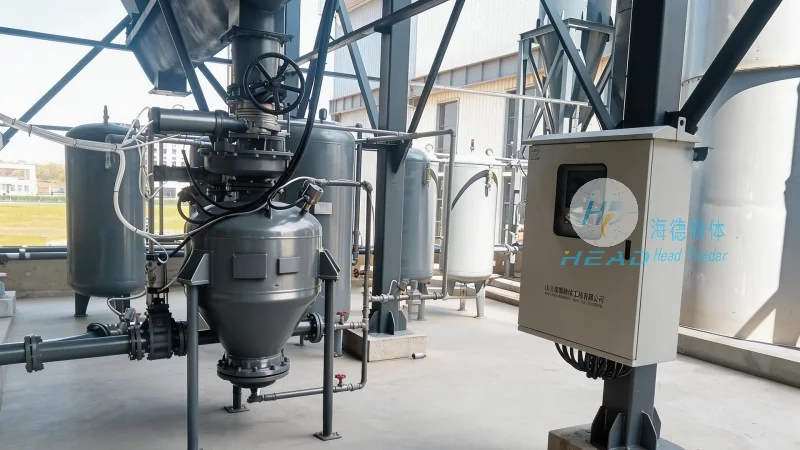
Benefits of Using Pneumatic Conveying for Beer Brewery Sludge
Implementing a pneumatic conveying system for beer brewery sludge offers several benefits that make it a preferred choice for many breweries. First, it provides a hygienic and dust-free method of handling the sludge, reducing the risk of contamination and odor spread. This is particularly important in food processing facilities where maintaining sanitary conditions is critical. Second, the system is highly efficient in terms of space and labor, as it eliminates the need for large storage areas or manual handling of the sludge. The automated process reduces the risk of accidents and improves worker safety. Third, the system is energy-efficient compared to traditional methods, as it uses less energy to transport the material over long distances. This can lead to significant cost savings for the brewery over time. Fourth, the system is flexible and adaptable, allowing breweries to adjust the flow rate or direction of the sludge as needed. This is especially useful when the brewery's production volume changes or when the sludge is processed at different stages. Finally, the system can improve the overall quality of the sludge by reducing the risk of degradation or contamination during transportation. This can enhance the value of the sludge if it is to be reused or sold as a byproduct.
Case Study: Application by Shandong HeadPowder Engineering Co., Ltd.
Shandong HeadPowder Engineering Co., Ltd., a leading provider of engineering solutions for the food and beverage industry, has successfully implemented pneumatic conveying systems for beer brewery sludge in several clients. One example is a large-scale brewery in China that needed to transport 50 tons of sludge per day from the brewing tanks to a treatment facility. The system designed by HeadPowder used a positive pressure pneumatic conveying system with a high-efficiency blower and stainless steel pipeline network. The system was able to maintain a consistent flow rate of 2 tons per hour, with minimal pressure loss and no clogging issues. The brewery reported significant improvements in operational efficiency and cost savings, as the system reduced the need for manual handling and truck transportation. The system also met the hygiene and sanitary standards required by the food industry, ensuring that the sludge was handled in a safe and clean manner. This case study demonstrates the effectiveness of pneumatic conveying systems in handling beer brewery sludge and the expertise of HeadPowder in designing and implementing such systems.




