HeadPowder Engineering, a leading provider of industrial conveying solutions, specializes in PVC pneumatic conveying systems. This article explores the fundamental aspects of PVC pneumatic conveying, including its definition, operational principles, and key design considerations. By understanding these elements, industries can effectively utilize this technology for efficient material handling.
What is PVC Pneumatic Conveying?
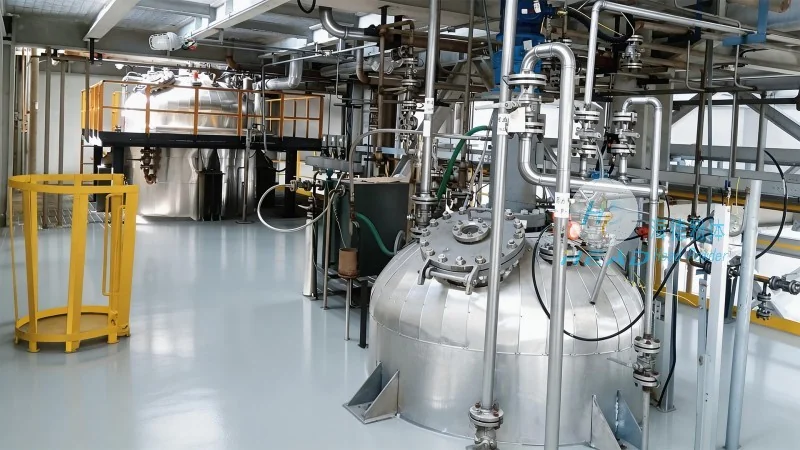
PVC pneumatic conveying is a method of transporting bulk materials through a pipeline using air or gas as the conveying medium. Unlike mechanical conveying systems that rely on belts, screws, or buckets, pneumatic systems use pressure differentials to move materials. The process involves creating a pressure difference between the inlet and outlet of the system, which propels the material along the pipeline. PVC, or polyvinyl chloride, is commonly used for the construction of the conveying pipelines due to its durability, chemical resistance, and flexibility. These characteristics make PVC an ideal material for handling a wide range of materials, from powders to granules, in various industrial applications.
Key Design Principles for PVC Pneumatic Conveying Systems
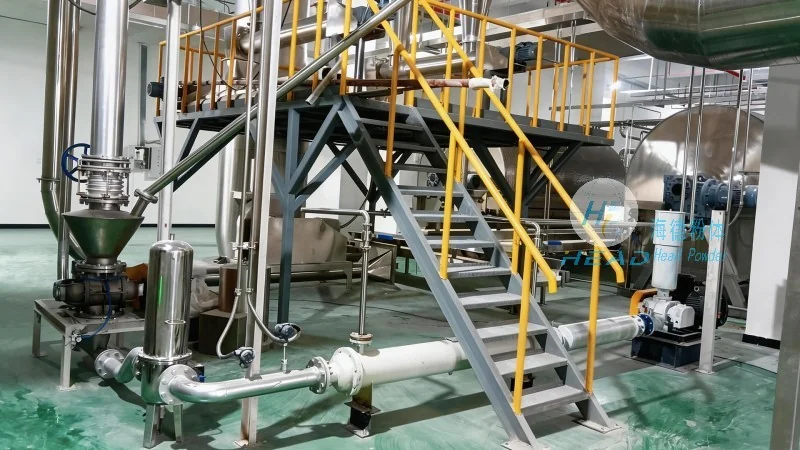
The design of a PVC pneumatic conveying system involves several critical principles to ensure efficient and reliable operation. First, the system must be designed to handle the specific properties of the material being conveyed, such as particle size, density, and moisture content. The pipeline diameter and length are carefully calculated to maintain adequate air velocity, which is essential for preventing material settling and ensuring smooth transport. Additionally, the system incorporates components like airlocks, cyclones, and filters to manage material flow and prevent system blockages. The selection of appropriate air pressure and flow rates is another crucial design factor, as it directly impacts the system's efficiency and energy consumption. Proper maintenance and regular inspections are also integral to the design, ensuring the longevity and performance of the conveying system.
Applications and Benefits of PVC Pneumatic Conveying
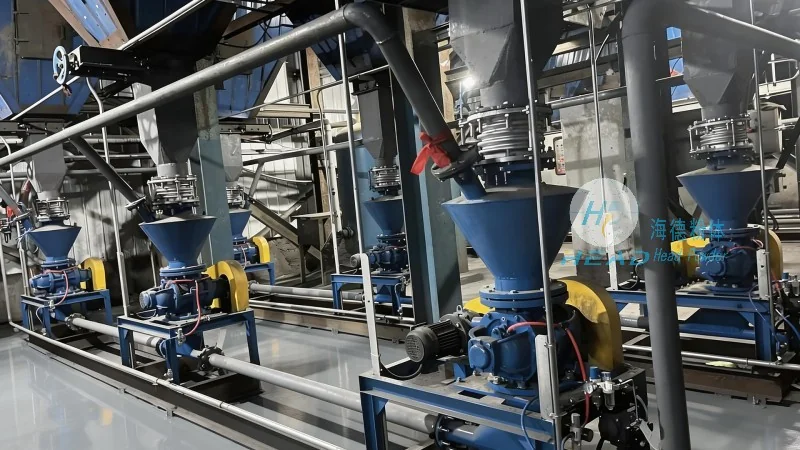
PVC pneumatic conveying systems are widely used in industries such as food processing, pharmaceuticals, chemicals, and mining. The benefits of this technology include reduced labor costs, minimized material contamination, and improved safety compared to traditional mechanical conveying methods. The flexibility of PVC pipelines allows for easy installation and modification, making it suitable for both new and existing facilities. Furthermore, the system's ability to handle materials in a closed environment helps maintain product quality and prevents dust emissions, contributing to a cleaner and more environmentally friendly operation. HeadPowder Engineering, with its expertise in industrial conveying solutions, offers customized PVC pneumatic conveying systems tailored to meet the specific needs of each client, ensuring optimal performance and reliability.
Conclusion
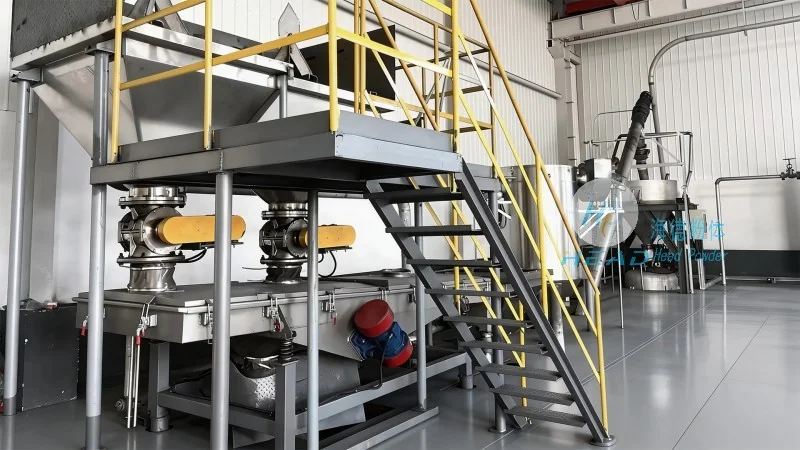
In summary, PVC pneumatic conveying is a versatile and efficient method for transporting bulk materials. By adhering to the fundamental design principles and leveraging the advantages of PVC materials, industries can achieve significant improvements in material handling processes. HeadPowder Engineering, based in Shandong, China, is committed to providing high-quality PVC pneumatic conveying solutions that meet the diverse requirements of modern industrial applications.




