HeadPowder, a leading engineering company based in Shandong, China, specializes in the design, manufacturing, and installation of advanced pneumatic conveying systems tailored for handling stone powder materials. These systems are essential for efficient material transport in various industrial applications, offering a reliable alternative to traditional mechanical conveying methods. The following content outlines the operational process and underlying principles of such systems, providing a comprehensive understanding of their functionality and benefits.
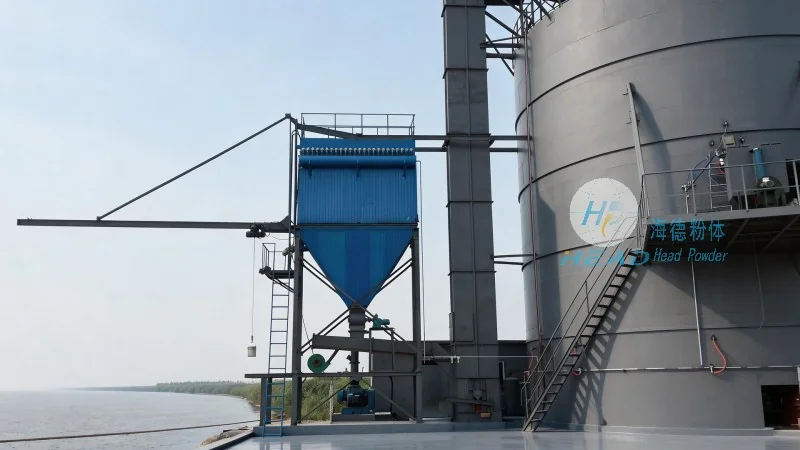
Key Components of a Stone Powder Pneumatic Conveying Line
The pneumatic conveying line for stone powder typically consists of several critical components that work in concert to ensure smooth material transport. These include a material hopper or feeder, a rotary airlock valve, a conveying pipeline, a dust collector or filter system, and a discharge outlet. Each component plays a vital role in the overall system's performance and efficiency. The material hopper is responsible for storing and feeding the stone powder into the system, while the rotary airlock valve controls the flow of material into the pipeline, preventing backflow and maintaining consistent material delivery. The conveying pipeline, often made of durable materials like stainless steel or high-density polyethylene, transports the material through the system under pressure. The dust collector or filter system is crucial for capturing and removing airborne particles, ensuring compliance with environmental regulations and maintaining a clean working environment. Finally, the discharge outlet allows the stone powder to be released at the desired location, completing the material transport process.
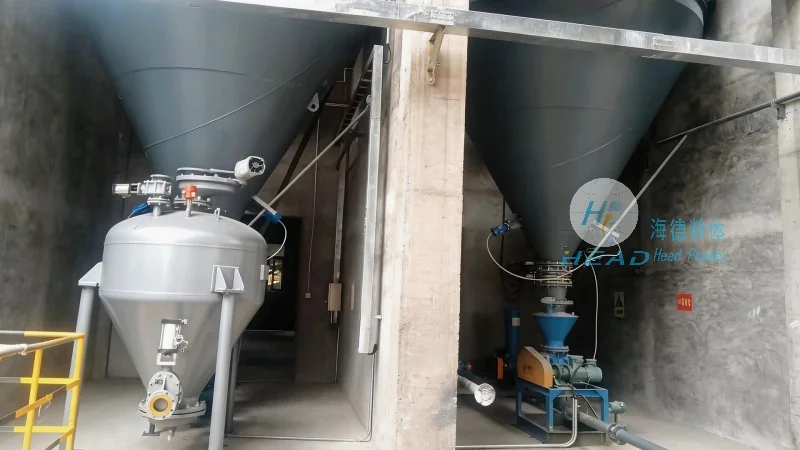
Operation Process of the Stone Powder Pneumatic Conveying Line
The operation of a stone powder pneumatic conveying line involves a series of sequential steps that ensure the material is transported safely and efficiently from the source to the destination. The process begins with the material being loaded into the hopper. The rotary airlock valve then opens, allowing a controlled amount of stone powder to enter the conveying pipeline. Simultaneously, a high-pressure air blower or compressor generates the necessary airflow to move the material through the pipeline. As the air and material mixture travels through the pipeline, the stone powder is suspended and carried by the air current. The system is designed to maintain a consistent air pressure and flow rate to ensure the material is transported without clogging or loss. At the discharge end, the air and material mixture passes through a separator, where the air is filtered and released, and the stone powder is collected in a designated container. This process is continuous and can be adjusted to handle varying material volumes and flow rates, making it highly adaptable to different industrial needs.
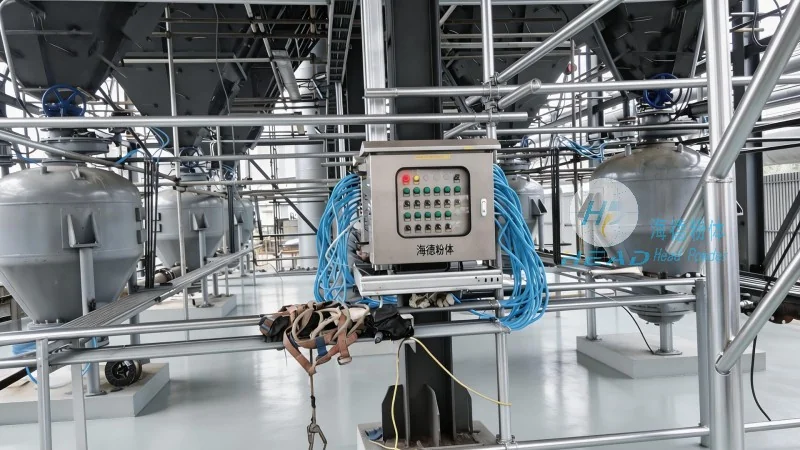
Working Principle of the Pneumatic Conveying System
The working principle of a stone powder pneumatic conveying line is based on the fundamental concept of fluidization and suspension of solid particles using a gas stream. The system operates by creating a pressure differential between the inlet and outlet of the conveying pipeline. The air blower or compressor supplies compressed air, which enters the pipeline and interacts with the stone powder in the hopper. As the air flows through the material, it creates a turbulent flow that suspends the solid particles, converting them into a fluid-like mixture. This mixture is then transported through the pipeline under pressure. The key to the system's efficiency lies in maintaining the appropriate air-to-material ratio, which ensures that the particles are fully suspended without excessive air consumption. The system also incorporates features such as pressure relief valves and flow meters to monitor and control the air pressure and material flow, ensuring optimal performance and preventing system failures. The dust collector or filter system is integrated to capture any fine particles that may escape during the conveying process, protecting the environment and maintaining the quality of the stone powder.
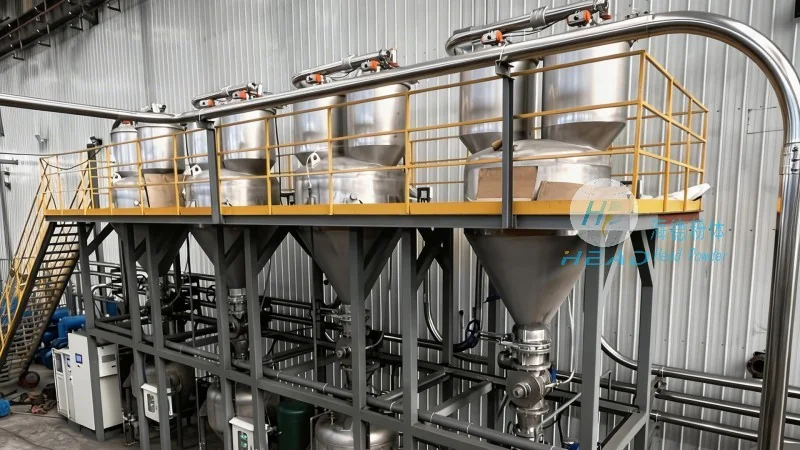
Advantages and Applications of Stone Powder Pneumatic Conveying Lines
Stone powder pneumatic conveying lines offer several advantages over traditional mechanical conveying methods, making them a preferred choice for many industrial applications. One of the primary benefits is the ability to transport materials over long distances without the need for multiple transfer points or intermediate storage. This reduces the risk of material contamination and improves overall system efficiency. Additionally, the system is highly flexible, allowing for changes in material flow rates and destinations without significant modifications to the infrastructure. The enclosed pipeline design also minimizes dust exposure, enhancing workplace safety and compliance with environmental regulations. These systems are widely used in industries such as mining, construction, and manufacturing, where stone powder is a common raw material. For example, in cement production, stone powder is transported from storage silos to processing plants using pneumatic conveying lines, ensuring a continuous and efficient supply of raw materials. In the construction industry, these systems are used to transport stone powder for concrete mixing and other applications, improving productivity and reducing labor costs.




