For industrial applications involving the handling of potassium carbonate, efficient and reliable material transport is crucial. The pneumatic conveying system, specifically designed for potassium carbonate, offers a solution that combines precision, safety, and operational efficiency. This equipment is engineered to meet the demands of modern industrial processes, ensuring that the material is transported with minimal loss and maximum control.
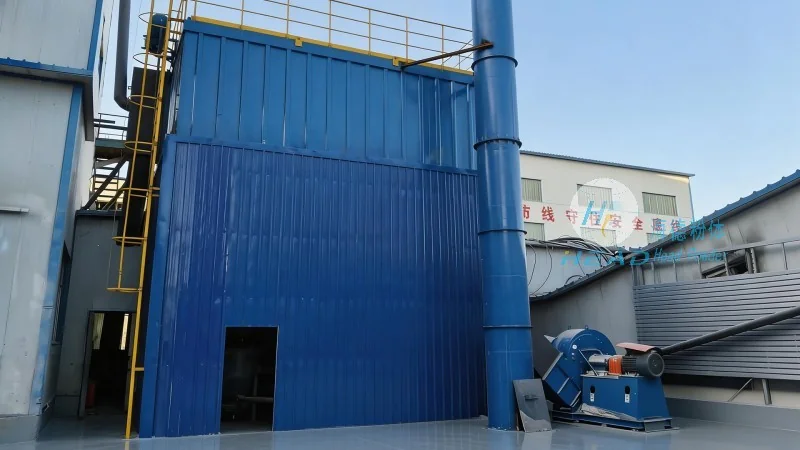
HeadPowder, a leading manufacturer based in Shandong, China, specializes in the design and production of advanced pneumatic conveying systems tailored for various chemical and industrial materials. The company's expertise lies in understanding the unique properties of potassium carbonate, which includes its reactivity and handling requirements, and translating these into robust, high-performance equipment. With a strong commitment to quality and innovation, HeadPowder has established itself as a trusted partner in the industry for pneumatic conveying solutions.
Structural Overview of the Potassium Carbonate Pneumatic Conveying System
The core components of the potassium carbonate pneumatic conveying equipment include the hopper, the conveying pipeline, the air supply system, and the control unit. The hopper is designed to store and feed the potassium carbonate material into the system, ensuring a consistent flow rate. It is equipped with a feeding mechanism that can handle the bulk material without clogging, which is essential for maintaining the system's efficiency. The conveying pipeline is typically made of durable materials such as stainless steel or high-density polyethylene, chosen for their resistance to corrosion and chemical exposure from potassium carbonate.
The air supply system is a critical part of the equipment, responsible for generating the necessary airflow to move the material through the pipeline. It includes a blower or compressor that provides the required pressure and volume of air. The system is often equipped with a filter to ensure that the air is clean and free from contaminants, which could affect the material quality or the equipment's performance. The control unit manages the entire operation, monitoring parameters such as pressure, flow rate, and material level, and adjusting the system as needed to maintain optimal performance.
Working Principle of the Pneumatic Conveying Process
The operation of the potassium carbonate pneumatic conveying system follows a straightforward yet effective principle. The material is first introduced into the hopper, where it is then fed into the conveying pipeline by the air flow generated by the blower. The air, moving at a high velocity, lifts the potassium carbonate particles and carries them through the pipeline to the discharge point. The system is designed to maintain a consistent air velocity to ensure that the material is transported without segregation or degradation. The discharge point is typically equipped with a valve or a receiver that collects the material, allowing for easy handling and processing.
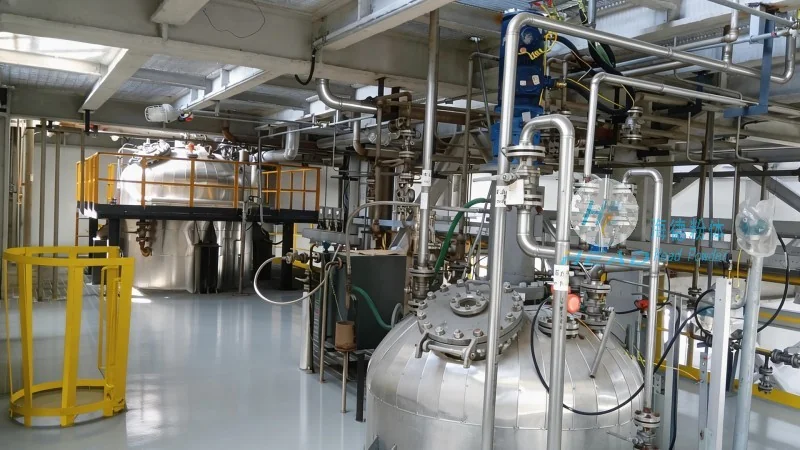
One of the key advantages of this pneumatic conveying method is its ability to handle the material in a closed system, which helps in maintaining the purity of the potassium carbonate and preventing contamination from external sources. The system also reduces the risk of dust exposure, which is important for both the material quality and the safety of the operators. Additionally, the pneumatic conveying equipment is relatively compact and can be integrated into existing industrial setups, making it a versatile solution for various applications.
Key Features and Benefits for Potassium Carbonate Handling
When considering the use of a pneumatic conveying system for potassium carbonate, several key features and benefits stand out. The equipment is designed to handle the material's specific characteristics, such as its granular or powdered form, ensuring that the transport process is efficient and effective. The system's ability to maintain a consistent flow rate is crucial for maintaining the quality of the material, as fluctuations can lead to issues in downstream processes. The closed system design also helps in controlling the environment around the material, preventing moisture absorption or other chemical reactions that could affect the material's properties.
Another significant benefit is the energy efficiency of the pneumatic conveying system. Compared to traditional methods like belt conveyors or bucket elevators, the pneumatic system uses less energy while achieving higher throughput. This not only reduces operational costs but also contributes to a more sustainable industrial operation. The system's flexibility is also a major advantage, as it can be easily adjusted to handle different quantities of material or to integrate with other processing equipment. This adaptability makes it suitable for a wide range of applications, from small-scale laboratory use to large-scale industrial production.
Applications and Industrial Use Cases
The potassium carbonate pneumatic conveying equipment is widely used in various industrial sectors that require the handling of this chemical. In the chemical industry, it is commonly used in the production of fertilizers, where potassium carbonate is a key component. The equipment ensures that the material is transported efficiently from storage to the production line, maintaining the quality and purity of the final product. In the food and beverage industry, potassium carbonate is used as a leavening agent and a pH adjuster, and the pneumatic conveying system helps in handling it safely and hygienically, meeting the stringent requirements of food processing.
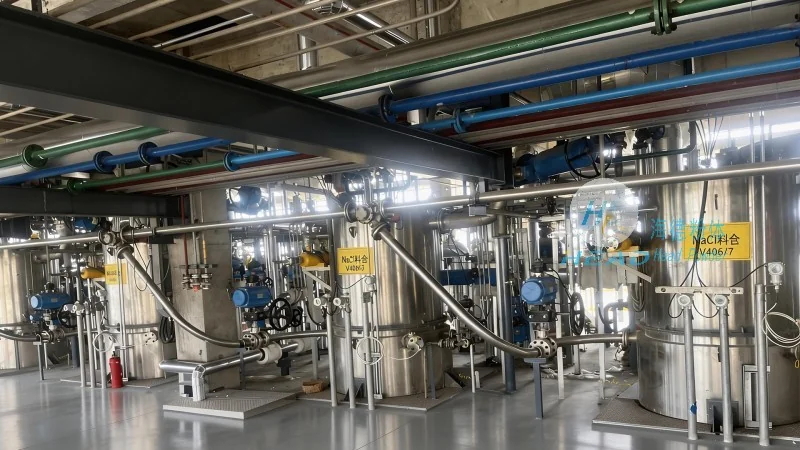
In the pharmaceutical industry, the material is used as an excipient or a raw material for various formulations, and the system's ability to maintain a closed environment and prevent contamination is critical. The equipment is also used in the manufacturing of glass and ceramics, where potassium carbonate is used as a flux to lower the melting point of the raw materials. The consistent transport of the material ensures that the quality of the final products is maintained, and the system's efficiency helps in reducing production costs.
Maintenance and Operational Considerations
Proper maintenance of the potassium carbonate pneumatic conveying system is essential to ensure its long-term performance and reliability. Regular checks of the air supply system, including the blower and filters, are necessary to prevent clogging and maintain optimal airflow. The conveying pipeline should be inspected for any signs of wear or corrosion, and the hopper and feeding mechanism should be cleaned regularly to prevent material buildup. The control unit should be monitored for any abnormalities, such as pressure fluctuations or temperature changes, which could indicate a problem with the system.
Operational considerations also include the proper handling of the material. Potassium carbonate is a dry, granular material that can be dusty, so the system should be designed to minimize dust generation and exposure. This includes using appropriate filters and sealing mechanisms to prevent dust from escaping into the environment. The system should also be operated within the recommended parameters, such as the maximum pressure and flow rate, to avoid damage to the equipment or the material.
Conclusion and Future Outlook
The potassium carbonate pneumatic conveying equipment from HeadPowder offers a reliable and efficient solution for handling this important chemical in various industrial applications. With its robust design, advanced features, and commitment to quality, the system is well-suited to meet the demands of modern industrial processes. As the industry continues to evolve, the demand for advanced material handling solutions will increase, and companies like HeadPowder will play a crucial role in providing innovative and effective equipment. The future of pneumatic conveying systems for potassium carbonate looks promising, with ongoing developments in materials and technology that will further enhance the performance and efficiency of these systems.




