Ship loading and unloading pneumatic conveying systems are critical components in modern bulk material handling operations, designed to efficiently transport powders, granules, and other dry materials between ships and land-based facilities. These systems leverage the principles of air flow to move materials without the need for mechanical components like belts or buckets, offering advantages such as reduced maintenance, improved safety, and enhanced material handling flexibility.
Key Components and Structural Design
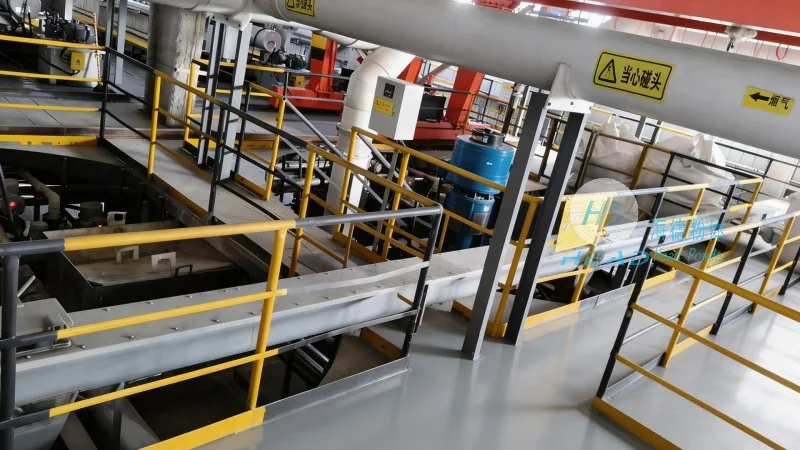
The core components of a typical ship loading and unloading pneumatic conveying system include the hopper, air compressor, conveyor line, and discharge equipment. The hopper serves as the material storage and feeding unit, where bulk materials are collected and prepared for transport. The air compressor generates the necessary air pressure to create a flow of air and material through the system. The conveyor line, often a flexible or rigid tube, transports the material mixture from the hopper to the discharge point. Discharge equipment, such as a rotary valve or conveyor, then delivers the material to its final destination. The structural design emphasizes durability and efficiency, with materials like stainless steel or corrosion-resistant alloys used to withstand harsh marine and industrial environments.
Working Principle of Pneumatic Conveying
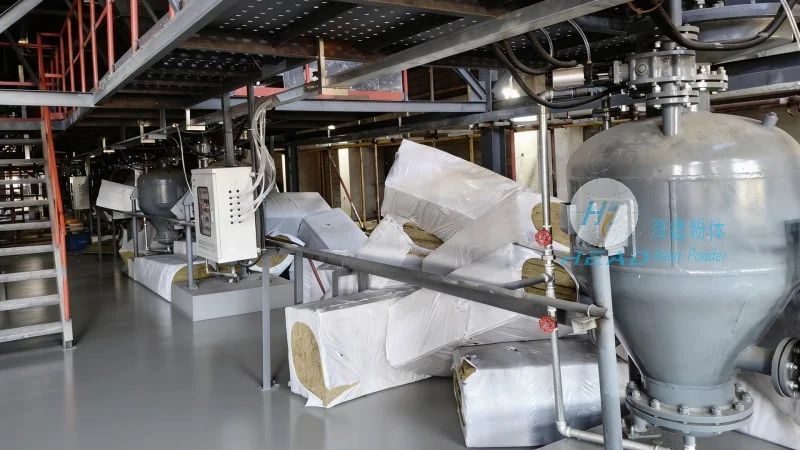
The operation of a ship loading and unloading pneumatic conveying system is based on the principle of air suspension. When the air compressor pumps air into the hopper, it creates a low-pressure zone that draws the material into the conveyor line. The air and material mixture travels through the system under pressure, with the air providing the necessary force to move the material. The system can operate in either positive or negative pressure modes, depending on the application. Positive pressure systems push material through the line, while negative pressure systems pull material from the hopper. This flexibility allows for efficient handling of materials in various scenarios, including loading and unloading of bulk cargo from vessels.
Advantages of Pneumatic Conveying Systems
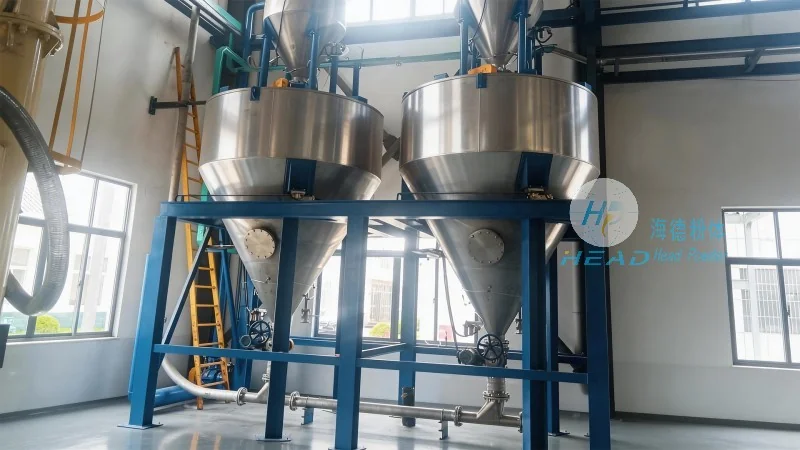
Compared to traditional mechanical conveying methods, ship loading and unloading pneumatic conveying systems offer several key advantages. First, they eliminate the need for moving parts, reducing maintenance costs and downtime. Second, they provide a safer working environment by minimizing the risk of material spillage and exposure to dust. Third, the systems are highly adaptable, capable of handling a wide range of materials, including sensitive powders that could be damaged by mechanical contact. Additionally, the enclosed design of the conveyor line prevents dust from escaping into the environment, improving workplace safety and compliance with environmental regulations. These benefits make pneumatic conveying systems an ideal choice for industries such as mining, agriculture, and chemical processing, where efficient and reliable material handling is essential.
Application in Ship Loading and Unloading
In the context of ship loading and unloading, pneumatic conveying systems are particularly effective for handling bulk materials like coal, grain, and minerals. The system can be integrated with the ship's cargo hold and the receiving facility on land, allowing for seamless transfer of materials. For loading operations, the system draws material from the ship's hold and transports it to the discharge point on land. Conversely, for unloading operations, the system pulls material from the land and delivers it to the ship's hold. The flexibility of the system allows it to adapt to different ship sizes and cargo types, making it a versatile solution for maritime bulk material handling.
Company Profile: Shandong HeadPowder Engineering Co., Ltd.
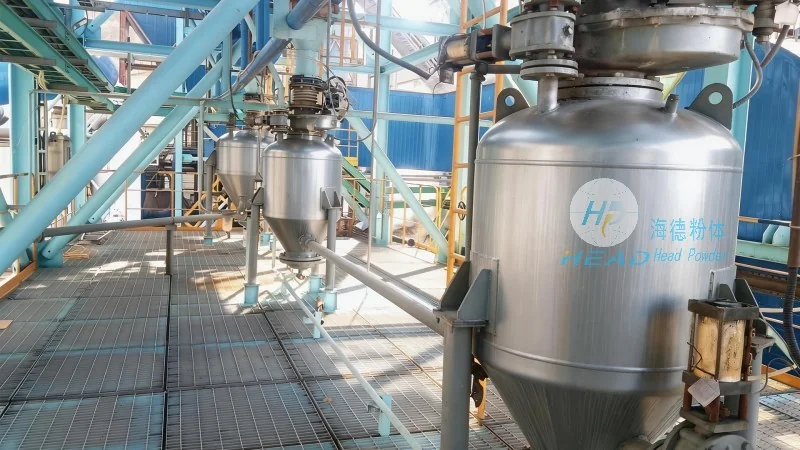
Shandong HeadPowder Engineering Co., Ltd., commonly known as headpowder, is a leading manufacturer and supplier of pneumatic conveying systems and related equipment. With a focus on innovation and quality, the company has established itself as a trusted partner in the bulk material handling industry. Headpowder's products are designed to meet the specific needs of clients, with a range of solutions tailored to different applications and industries. The company's commitment to customer satisfaction and technical excellence has earned it a reputation for reliability and performance. Headpowder's facilities are located in Shandong, China, where the company leverages advanced manufacturing processes and a skilled workforce to produce high-quality equipment. The company's team of engineers and technicians provides comprehensive support, including design, installation, and maintenance services, ensuring that clients receive the best possible solution for their material handling needs.




