HeadPowder, a leading engineering company based in Shandong, China, specializes in the design, manufacturing, and installation of advanced pneumatic conveying systems for the sugar industry. The sugar material pneumatic conveying line is a critical component in modern sugar processing facilities, enabling efficient and reliable transportation of raw and processed sugar from various stages of production. This article provides a detailed overview of the operation process and working principle of such systems, highlighting the key components, operational procedures, and benefits of using pneumatic conveying technology in sugar handling.
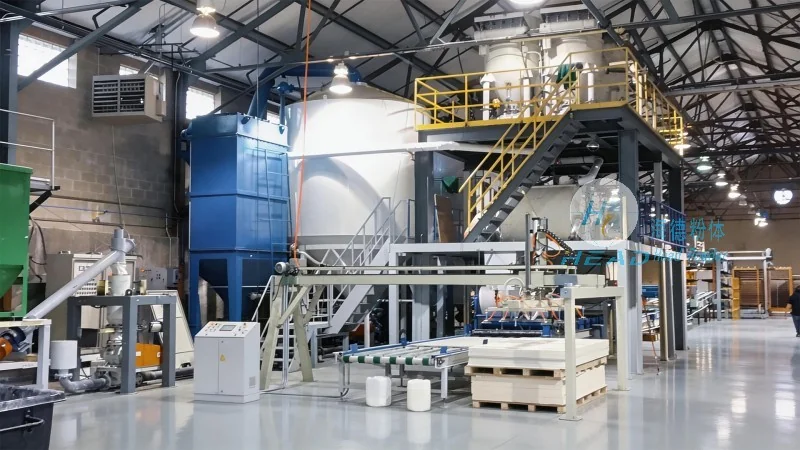
Key Components of the Pneumatic Conveying System
The sugar material pneumatic conveying line typically consists of several essential components that work in tandem to ensure smooth and efficient material transport. These components include the hopper or storage silo, the conveyor line itself, the air supply system (blowers or compressors), and the control panel. The hopper is responsible for storing the sugar material, ensuring a consistent feed to the conveyor. The conveyor line, often made of stainless steel or other corrosion-resistant materials, is designed to handle the abrasive nature of sugar and prevent caking or blockages. The air supply system generates the necessary pressure or vacuum to move the sugar particles through the pipeline. The control panel allows operators to monitor and adjust the system parameters, such as air pressure, flow rate, and material feed rate, to maintain optimal performance.
Working Principle of the Pneumatic Conveying Process
The operation of the sugar material pneumatic conveying line is based on the principle of pneumatic transport, which involves the use of air to move solid particles. There are two main types of pneumatic conveying systems: pressure systems and vacuum systems. In a pressure system, the air is introduced at the discharge end of the conveyor, pushing the sugar particles forward through the pipeline. The pressure is maintained by a blower or compressor located at the inlet. In a vacuum system, the air is drawn from the discharge end, creating a vacuum that pulls the sugar particles from the hopper. The choice between pressure and vacuum systems depends on the distance, height, and material characteristics of the conveying task.
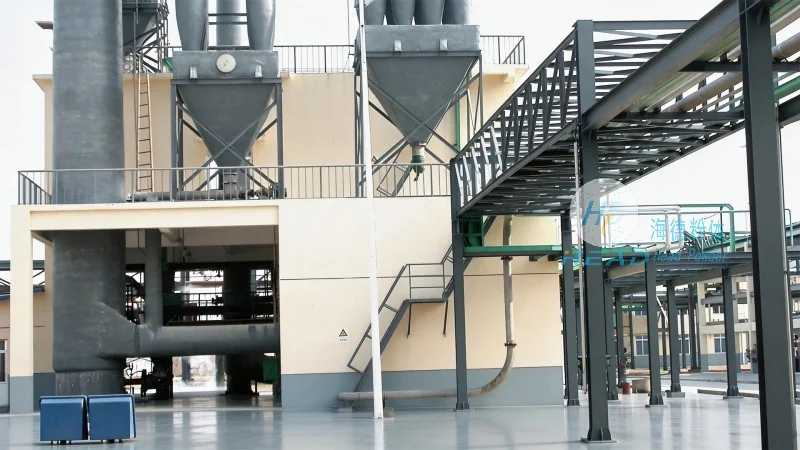
Operation Process of the Sugar Material Pneumatic Conveying Line
The operation process of the sugar material pneumatic conveying line involves several sequential steps to ensure efficient material handling. First, the sugar material is loaded into the hopper or storage silo. The material is then fed into the conveyor line at a controlled rate, typically using a rotary valve or feeder. The air supply system is activated, and the appropriate pressure or vacuum is applied to the system. The material particles are then carried by the air flow through the pipeline to the discharge point, where they are deposited into the next processing stage or storage container. The system is continuously monitored by the control panel, with adjustments made as needed to maintain consistent flow and prevent system overload or blockages. Regular maintenance, such as cleaning the hopper and pipeline, checking for air leaks, and replacing worn components, is essential to ensure the longevity and reliability of the system.
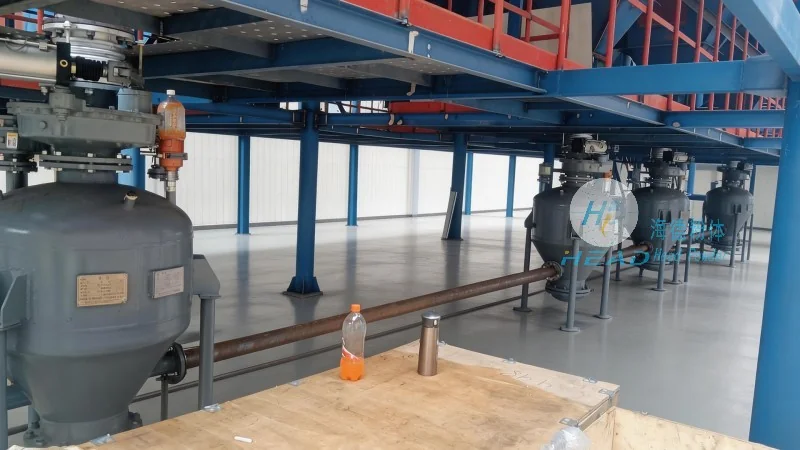
Benefits and Advantages of Using Pneumatic Conveying for Sugar Materials
Implementing a sugar material pneumatic conveying line offers several significant benefits for sugar processing facilities. Firstly, it provides a highly efficient and reliable method of transporting sugar, reducing the risk of material loss and contamination compared to traditional methods like bucket elevators or belt conveyors. The system is also capable of handling a wide range of sugar products, including raw sugar, refined sugar, and sugar syrups, with minimal product degradation. Additionally, pneumatic conveying systems are relatively compact and can be easily integrated into existing processing facilities, saving space and reducing installation costs. The automated control system allows for precise control of material flow, improving production efficiency and reducing labor costs. Finally, the use of stainless steel and other corrosion-resistant materials ensures the system is durable and can withstand the harsh conditions of the sugar industry, resulting in lower maintenance costs and longer service life.
Conclusion
HeadPowder, with its expertise in engineering and manufacturing, provides comprehensive solutions for sugar material pneumatic conveying lines. By understanding the operation process and working principle of these systems, sugar processing facilities can optimize their material handling operations, improve efficiency, and reduce costs. The company's commitment to quality and customer satisfaction ensures that its systems are designed to meet the specific needs of each client, providing reliable and efficient solutions for the sugar industry. With its headquarters in Shandong, China, HeadPowder continues to be a leader in the development and application of advanced pneumatic conveying technology for the sugar sector.




