White flour pneumatic conveying systems represent a critical technology in the food processing sector, specifically tailored for the efficient and hygienic movement of white flour from storage silos to processing facilities. These systems leverage pneumatic principles, utilizing compressed air to transport bulk materials through a sealed pipeline network. The equipment is engineered to preserve the quality of white flour, preventing contamination and maintaining its delicate texture and freshness throughout the conveying process. Such systems are indispensable for modern food production, where maintaining product integrity and operational efficiency is paramount.
Structural Principles of Pneumatic Conveying Systems
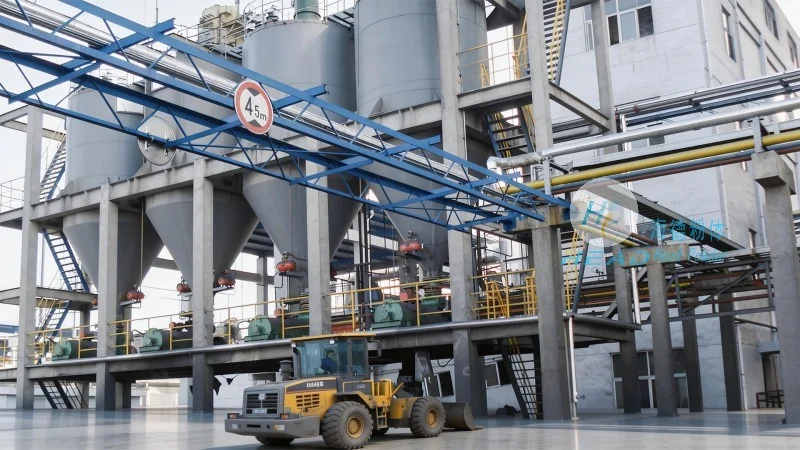
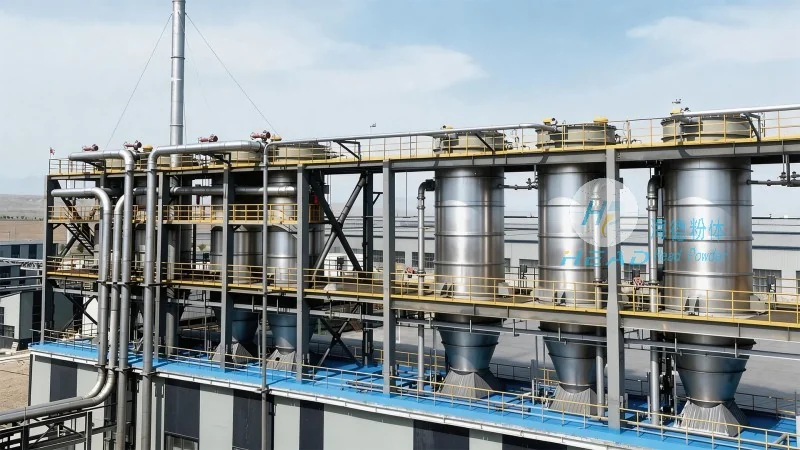
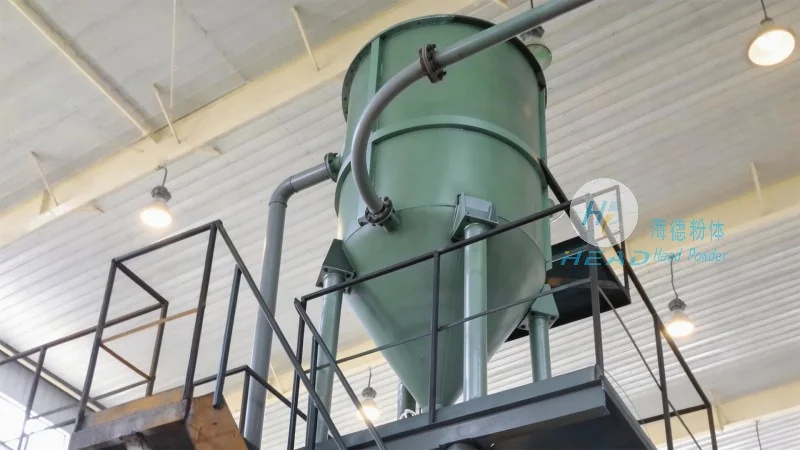
The fundamental structure of a white flour pneumatic conveying system comprises several key components, each playing a vital role in the overall operation. The system begins with a hopper, which serves as the primary storage vessel for the white flour. This hopper is typically equipped with a feeding mechanism, such as a rotary valve or a screw feeder, that controls the flow of flour into the conveying line. The air compressor, the heart of the system, generates the necessary pressure to move the flour through the pipeline. It is usually a positive displacement type, capable of delivering consistent air pressure and volume. The conveyor line itself is constructed from high-quality stainless steel, ensuring compliance with food safety standards and minimizing the risk of material contamination. The line includes various fittings, such as elbows, tees, and reducers, to direct the flow of flour and air efficiently. At the receiving end, a discharge valve or a receiver hopper collects the flour, allowing for controlled discharge into the next stage of processing. The entire system operates on the principle of air pressure, where the compressed air creates a vacuum or positive pressure that propels the flour particles along the pipeline.
About Shandong HeadPowder Engineering Co., Ltd.
HeadPowder, a leading manufacturer of pneumatic conveying systems, is based in Shandong, China. The company has established itself as a trusted provider of advanced equipment for the food industry, with a strong focus on innovation and customer satisfaction. As Shandong HeadPowder Engineering Co., Ltd., the company specializes in designing and manufacturing customized solutions that meet the unique requirements of its clients. The company's headquarters in Shandong is equipped with state-of-the-art facilities, enabling the development and production of high-quality pneumatic conveying systems. HeadPowder's team comprises experienced engineers, technicians, and sales professionals who work collaboratively to understand client needs and deliver tailored equipment. The company adheres to strict quality control measures, ensuring that all products meet international standards and regulatory requirements. With a commitment to sustainability and efficiency, HeadPowder aims to provide reliable and cost-effective solutions for the food processing industry.
Key Features and Advantages
White flour pneumatic conveying systems offer several distinct advantages over traditional mechanical conveying methods. One of the primary benefits is the ability to maintain product quality. Unlike mechanical systems that may cause friction and particle damage, pneumatic conveying uses air to gently transport flour, reducing the risk of clumping or degradation. This is particularly important for white flour, which is sensitive to physical stress and requires careful handling to preserve its texture and nutritional value. Another advantage is enhanced hygiene. The enclosed nature of pneumatic systems prevents exposure to external contaminants, such as dust, moisture, or microorganisms, ensuring that the flour remains clean and safe for consumption. This is critical in food processing, where hygiene standards are strictly regulated. Additionally, pneumatic conveying systems are highly flexible and scalable. They can be easily integrated into existing production lines and expanded to accommodate increased production volumes without significant modifications. The modular design allows for the addition of new components, such as extra conveying lines or storage hoppers, as needed. This flexibility makes the systems suitable for a wide range of applications, from small-scale bakeries to large industrial food processing plants. Furthermore, pneumatic systems are generally more energy-efficient compared to mechanical alternatives. The use of air as the conveying medium reduces the need for moving parts that require constant power, leading to lower energy consumption and operational costs over time. The air compressor, while requiring electricity, is often more efficient than the motors and belts used in mechanical systems, contributing to overall cost savings.




