Shandong HeadPowder Engineering Co., Ltd., commonly known as headpowder, is a professional manufacturer specializing in the design and production of pneumatic conveying equipment. Based in Shandong, China, the company has been committed to providing high-quality solutions for powder handling and material transport in various industries. This article introduces the PFA pneumatic conveyor, focusing on its structure and working principle.
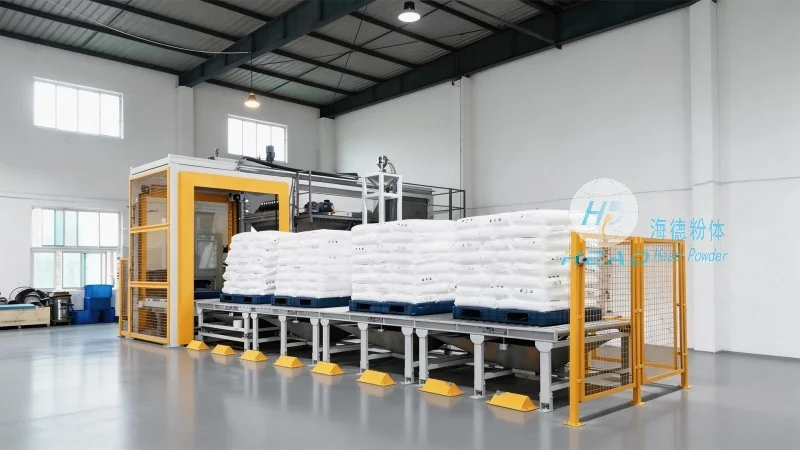
PFA Pneumatic Conveyor: An Overview
The PFA (Polytetrafluoroethylene Alkyl Ester) pneumatic conveyor is a type of air-powered system designed for the efficient and reliable transport of powder materials. As a key product from Shandong HeadPowder Engineering Co., Ltd., this equipment combines advanced materials and engineering to meet the demanding requirements of modern industrial applications. The PFA material used in the conveyor components offers exceptional chemical resistance, thermal stability, and durability, making it suitable for handling a wide range of powders, including those that are corrosive or sensitive to temperature changes.
Structural Components of the PFA Pneumatic Conveyor
The PFA pneumatic conveyor consists of several critical components that work in tandem to ensure smooth material transport. The main structural elements include:
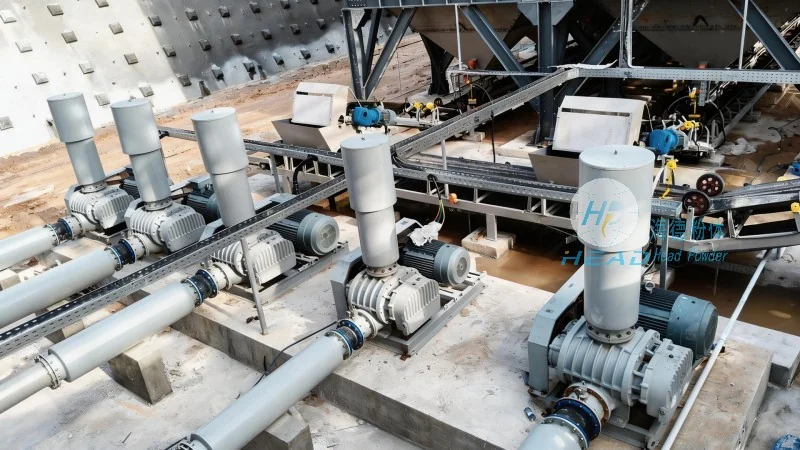
- Feeding System: This component is responsible for introducing the powder material into the conveyor. It typically features a hopper or a feed hopper with a valve mechanism to control the flow rate. The design ensures minimal material degradation and consistent feeding.
- Pneumatic Pipeline: The pipeline is the core of the conveyor, made from PFA material to provide excellent resistance to chemical corrosion and high temperatures. The pipeline is usually arranged in a loop or a straight line, depending on the layout of the processing facility. The diameter and length of the pipeline are carefully selected based on the material characteristics and the required transport distance.
- Air Supply System: This system generates the necessary air pressure or vacuum to move the powder through the pipeline. It includes an air compressor, air filter, and regulator to ensure stable and clean air supply. The air pressure can be adjusted to match the specific requirements of the material being conveyed.
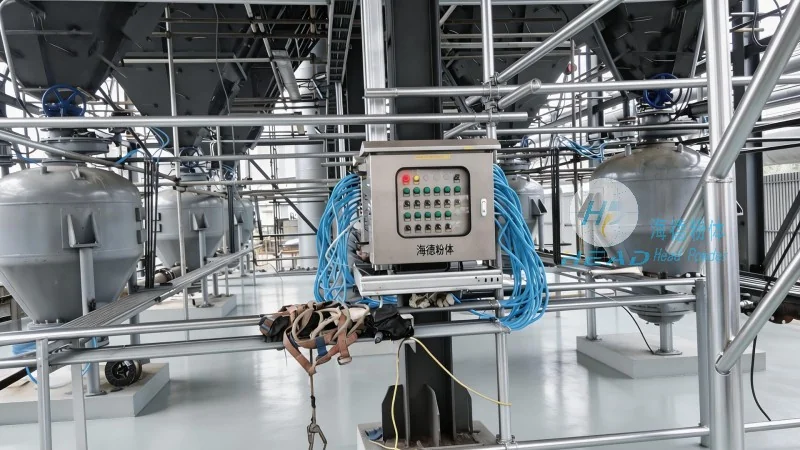
- Control System: The control unit manages the operation of the conveyor, including the start and stop of the air supply, the opening and closing of valves, and the monitoring of pressure and flow. Modern control systems often incorporate sensors and automation features to enhance efficiency and safety.
- Dust Collection and Filtration: To maintain a clean and safe working environment, the system includes a dust collection unit and a filter to capture any airborne particles. The collected dust is then disposed of or recycled, ensuring compliance with environmental regulations.
Working Principle of the PFA Pneumatic Conveyor
The operation of the PFA pneumatic conveyor is based on the principle of pneumatic transport, which can be categorized into two main types: positive pressure (pressure) conveying and negative pressure (vacuum) conveying. The choice of method depends on the material properties, the distance to be covered, and the desired flow rate.
In positive pressure conveying, compressed air is introduced into the pipeline at the feeding end, creating a pressure higher than the ambient air. The air flows through the pipeline, carrying the powder particles along with it. The air velocity is maintained above the minimum fluidization velocity of the powder to prevent settling. The material is discharged at the receiving end, and the air is then filtered and recycled.
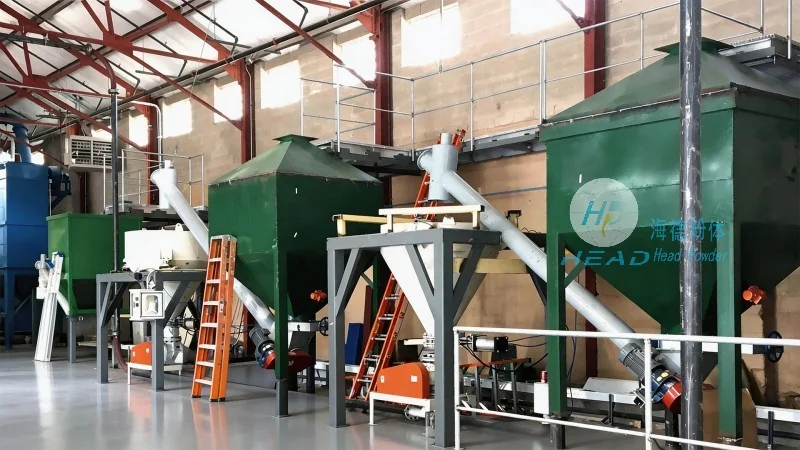
In negative pressure conveying, a vacuum is created at the receiving end, drawing the powder into the pipeline. The air is then filtered and released into the atmosphere or recirculated. This method is often used for applications where dust control is critical or when the material needs to be transported over long distances.
Key Advantages of the PFA Pneumatic Conveyor
The PFA pneumatic conveyor offers several advantages that make it a preferred choice in industries such as chemical, pharmaceutical, food, and mining. These advantages include:
- Excellent Chemical Resistance: The PFA material is highly resistant to a wide range of chemicals, including acids, bases, and solvents. This makes the conveyor suitable for handling aggressive powders without degradation or corrosion.
- Thermal Stability: PFA can withstand high temperatures, typically up to 260°C, without losing its mechanical properties. This allows the conveyor to operate in environments with high-temperature materials or in areas with elevated ambient temperatures.
- Low Friction and Wear Resistance: The smooth surface of PFA reduces friction between the powder and the pipeline, minimizing wear and extending the service life of the equipment.
- Seal Integrity: The PFA material provides excellent sealing properties, preventing leakage of the conveyed material and ensuring a clean operation.
- Compact Design: The pneumatic conveyor is a compact system that requires minimal floor space, making it suitable for installations in confined areas.
- Easy Maintenance: The modular design of the conveyor allows for easy access to components for inspection and maintenance, reducing downtime and maintenance costs.
Applications and Industries
The PFA pneumatic conveyor is widely used in various industries due to its versatility and reliability. Some common applications include:
- Chemical Industry: Transporting corrosive powders, such as acids, bases, and salts, in chemical plants.
- Pharmaceutical Industry: Handling sterile and sensitive powders in pharmaceutical manufacturing, ensuring compliance with GMP (Good Manufacturing Practice) standards.
- Food Industry: Conveying food-grade powders, such as sugar, flour, and spices, in food processing facilities.
- Mining and Minerals: Transporting mineral powders, such as coal, ore, and limestone, in mining operations.
- Plastics and Rubber Industry: Conveying plastic resins and rubber powders in manufacturing processes.
Conclusion
Shandong HeadPowder Engineering Co., Ltd. provides high-quality PFA pneumatic conveyors that combine advanced materials and engineering to meet the demanding requirements of modern industrial applications. The equipment's excellent chemical resistance, thermal stability, and durability make it a reliable solution for powder handling and material transport. With its compact design and easy maintenance, the PFA pneumatic conveyor is an ideal choice for industries seeking efficient and safe material transport solutions. By understanding the structure and working principle of this equipment, users can make informed decisions about its application and ensure optimal performance in their operations.




