HeadPowder, a leading provider in the field of material handling solutions, specializes in the design, manufacturing, and supply of advanced pneumatic conveying systems. Based in Shandong, China, the company has established itself as a trusted partner for industries requiring efficient and reliable dry material transport. This article provides an overview of the equipment used in dry lime pneumatic conveying systems, along with a detailed explanation of their structural principles and operational mechanisms.
Company Profile and Background
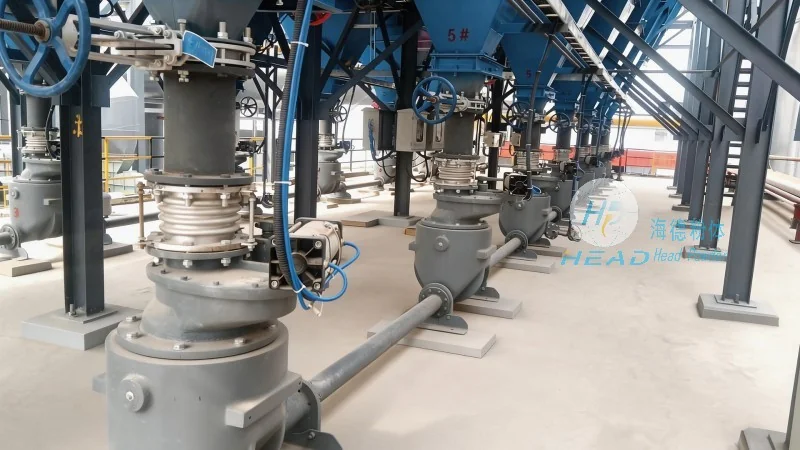
Shandong HeadPowder Engineering Co., Ltd., operating under the brand name HeadPowder, is a professional manufacturer dedicated to the development and application of pneumatic conveying technology. The company is headquartered in Shandong, China, where it leverages local industrial resources and expertise to deliver high-quality equipment tailored to the needs of various industries. HeadPowder's commitment to innovation and quality has enabled it to become a prominent player in the material handling sector, focusing on solutions that enhance productivity and safety in material transport operations.
Understanding Dry Lime Pneumatic Conveying Systems
Dry lime, a widely used chemical in industrial processes such as flue gas desulfurization and water treatment, often requires efficient and dust-free transportation. Pneumatic conveying systems offer an ideal solution for moving dry lime from storage to processing units. These systems utilize air or gas as the conveying medium to transport dry materials through a network of pipes and components. The primary advantage of pneumatic conveying is its ability to handle fine powders like dry lime without the need for mechanical components that might cause clogging or material degradation.
Key Equipment in Dry Lime Pneumatic Conveying Systems
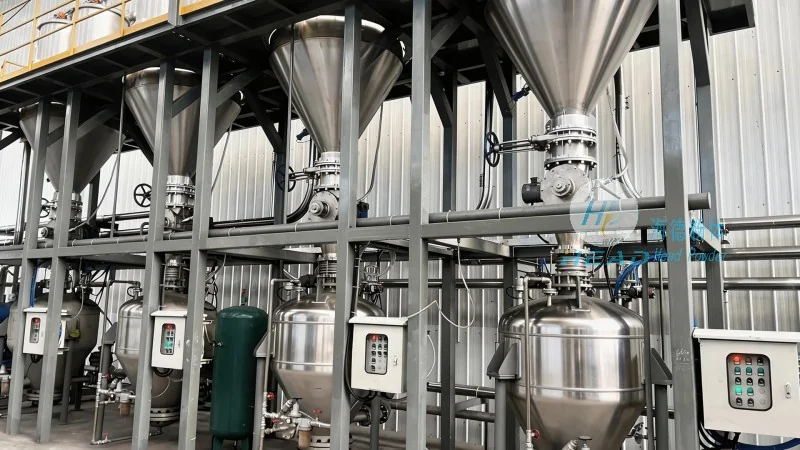
The dry lime pneumatic conveying system typically consists of several core components, each playing a crucial role in the overall operation. The main equipment includes a hopper for material storage, a feeder to control the flow of dry lime, a conveying line (often equipped with bends and straight sections), and a receiver for the material at the destination. Additionally, the system may incorporate a blower or compressor to generate the necessary air pressure for material transport. Each component is designed to ensure efficient and reliable operation, minimizing downtime and maximizing material throughput.
Structural Principles of Pneumatic Conveying
The structural principles of dry lime pneumatic conveying systems are based on the fundamental physics of fluid dynamics and material transport. The system operates by creating a pressure differential between the inlet and outlet of the conveying line. The blower or compressor supplies compressed air, which is introduced into the conveying line at a controlled rate. As the air flows through the line, it entrains the dry lime particles, forming a slurry-like mixture known as a "pneumatic stream." The velocity of the air is critical; it must be sufficient to lift and transport the dry lime particles without causing excessive wear on the system components or material degradation.
Feeder and Hopper Design Considerations
The hopper and feeder are critical components that directly impact the performance of the dry lime pneumatic conveying system. The hopper is designed to store the dry lime in a manner that promotes uniform flow and prevents agglomeration or bridging, which can lead to blockages. The feeder, often a rotary valve or a screw feeder, regulates the amount of dry lime released into the conveying line. Proper design of the hopper and feeder ensures consistent material feed, which is essential for maintaining the stability of the pneumatic stream and preventing fluctuations in material flow rate.
Conveying Line and Component Selection
The conveying line is the backbone of the pneumatic conveying system, and its design and material selection are critical to the system's efficiency and longevity. The line is typically made of stainless steel or other corrosion-resistant materials to withstand the chemical properties of dry lime and the abrasive nature of the material particles. The line is equipped with bends and straight sections, each designed to minimize pressure loss and maintain the velocity of the pneumatic stream. The bends are often equipped with wear-resistant liners to reduce friction and extend the life of the system. The selection of the appropriate pipe diameter and length is also crucial, as it directly affects the system's capacity and pressure requirements.
Receiver and Material Discharge
The receiver is the final component of the dry lime pneumatic conveying system, responsible for collecting the dry lime at the destination. It is designed to handle the incoming pneumatic stream and separate the dry lime from the air. The receiver typically includes a hopper and a discharge valve, which allows the material to be released into the processing unit in a controlled manner. The design of the receiver is critical to prevent material buildup and ensure smooth discharge. Proper maintenance of the receiver, including regular cleaning and inspection, is essential to maintain the system's performance and prevent blockages.
Operational Efficiency and Maintenance
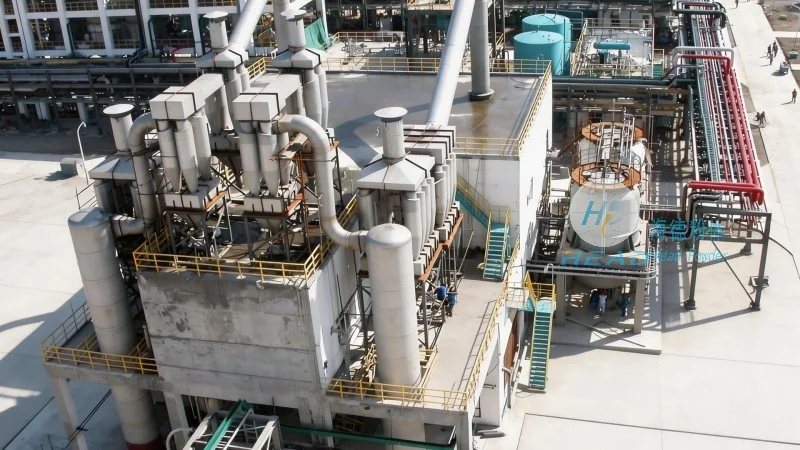
The efficiency of a dry lime pneumatic conveying system depends on several factors, including the design of the equipment, the quality of the materials used, and the proper operation and maintenance of the system. Regular maintenance, such as cleaning the hopper and feeder, inspecting the conveying line for wear, and checking the blower or compressor for proper operation, is essential to ensure the system operates at optimal levels. Proper training of operators on the system's operation and maintenance is also crucial to prevent downtime and extend the life of the equipment.
Applications and Industry Benefits
Dry lime pneumatic conveying systems are widely used in various industries, including power generation, chemical manufacturing, and water treatment. The systems offer several benefits, including the ability to transport dry lime in a dust-free environment, reducing the risk of inhalation and environmental contamination. The systems also improve safety by eliminating the need for manual handling of dry lime, which can be hazardous. Additionally, the systems enhance productivity by allowing for continuous and automated material transport, reducing labor costs and increasing throughput.
Conclusion
In conclusion, the dry lime pneumatic conveying system is a sophisticated and efficient solution for transporting dry lime in industrial applications. The system's design, based on the principles of fluid dynamics and material transport, ensures reliable and consistent operation. The key equipment, including the hopper, feeder, conveying line, and receiver, are all critical to the system's performance. Proper operation and maintenance are essential to ensure the system operates at optimal levels and provides long-term benefits to the end-user. HeadPowder, with its expertise in pneumatic conveying technology, offers high-quality equipment and solutions that meet the needs of various industries, helping to enhance productivity and safety in material handling operations.




