HeadPowder, a leading engineering firm based in Shandong, China, specializes in the design, manufacturing, and installation of advanced pneumatic conveying systems tailored for handling silica fume and other fine powders. This article delves into the operational process and underlying principles of a typical silica fume material pneumatic conveying line, highlighting the key components, their functions, and the systematic approach to material transport. By understanding these aspects, users can gain insights into the efficiency, reliability, and technical sophistication of such systems, which are crucial for industrial applications requiring precise and safe powder handling.
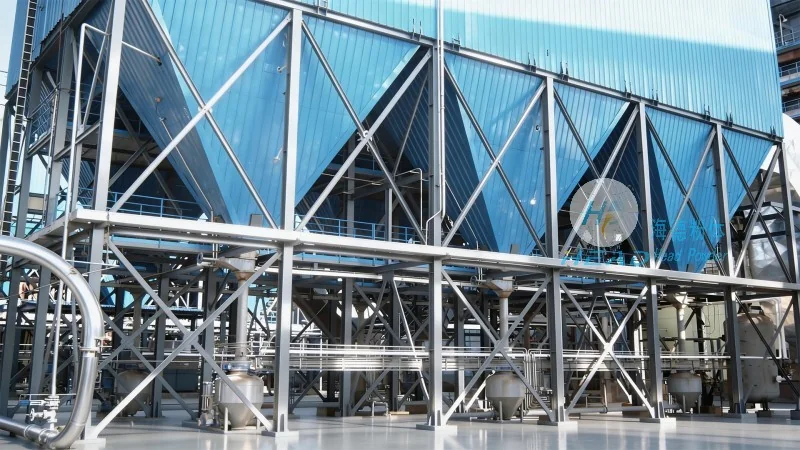
Key Components of the Silica Fume Pneumatic Conveying System
The silica fume material pneumatic conveying line comprises several critical components that work in concert to ensure smooth and efficient material transport. These components include the material feeder, the air compressor or blower, the conveying pipeline, the control system, and the dust collection and filtration units. Each component plays a vital role in the overall operation, and their proper integration is essential for optimal performance.
Material Feeder: Ensuring Consistent Feed Rate
The material feeder is the initial stage of the conveying line, responsible for feeding silica fume into the system at a controlled and consistent rate. This component is crucial for maintaining the stability of the conveying process, as fluctuations in feed rate can lead to blockages or uneven material flow. HeadPowder employs various types of feeders, such as rotary valves, screw feeders, or vibrating feeders, depending on the specific characteristics of the silica fume and the required flow rate. The feeder is typically equipped with a hopper that stores the material, ensuring a continuous supply. The design of the feeder is optimized to minimize material degradation and prevent clogging, which are common issues in handling fine powders like silica fume.
Air Compressor or Blower: Providing the Driving Force
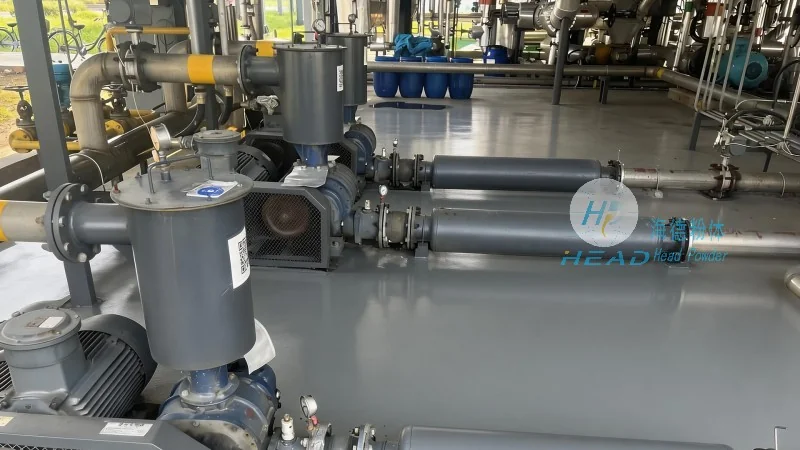
The air compressor or blower is the heart of the pneumatic conveying system, responsible for generating the necessary air pressure and flow to move the silica fume particles through the pipeline. The choice between a positive displacement blower and a centrifugal compressor depends on factors such as the required pressure, flow rate, and the characteristics of the material being conveyed. For silica fume, which is a fine powder with low bulk density, a positive displacement blower is often preferred due to its ability to deliver high pressure at relatively low flow rates. The compressor is equipped with a filter to remove any contaminants from the air, ensuring that the conveyed material remains clean and free from impurities. The pressure and flow rate are precisely controlled to match the conveying requirements, preventing excessive energy consumption or system overload.
Conveying Pipeline: The Pathway for Material Transport
The conveying pipeline is the main channel through which the silica fume is transported from the feeder to the discharge point. The pipeline is typically made of stainless steel or other corrosion-resistant materials to withstand the abrasive nature of silica fume and to prevent material buildup. The design of the pipeline includes bends, elbows, and straight sections, which are carefully engineered to minimize pressure losses and ensure smooth material flow. The pipeline is also equipped with pressure sensors and flow meters to monitor the system's performance in real-time. HeadPowder's engineers use computational fluid dynamics (CFD) to simulate the flow of air and particles within the pipeline, optimizing the design for maximum efficiency and minimal energy consumption.
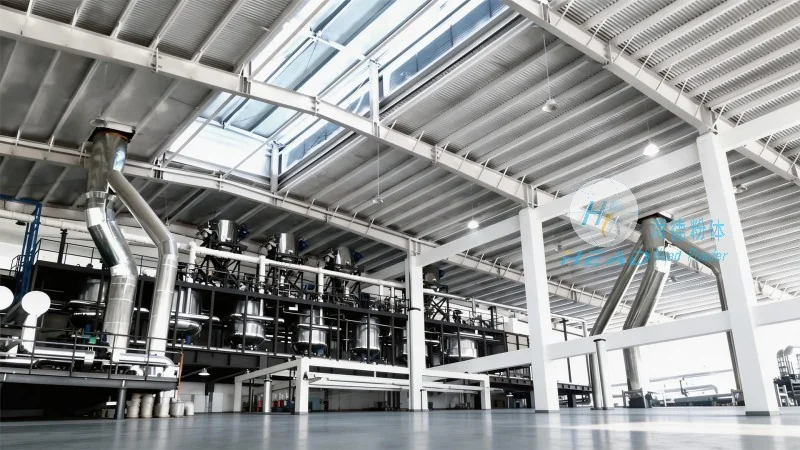
Control System: Ensuring Process Stability and Safety
The control system is a critical component that manages the operation of the entire pneumatic conveying line. It monitors various parameters such as pressure, flow rate, and temperature, and adjusts the settings of the feeder, compressor, and other components as needed to maintain stable operation. The system is equipped with safety features, such as pressure relief valves and emergency shut-off switches, to prevent accidents and protect the equipment from damage. HeadPowder's control systems are typically based on programmable logic controllers (PLCs) or industrial computers, which allow for remote monitoring and control. The system can be integrated with other industrial processes, enabling seamless operation and data exchange.
Dust Collection and Filtration Units: Ensuring Environmental Compliance
Due to the fine nature of silica fume, dust generation is a significant concern during the conveying process. The system includes dust collection and filtration units to capture and remove airborne particles, ensuring compliance with environmental regulations and maintaining a safe working environment. These units typically consist of a dust collector, a filter, and a fan. The dust collector captures the particles, and the filter removes them from the air, which is then discharged back into the environment. The filter is regularly cleaned or replaced to maintain its efficiency. HeadPowder's dust collection systems are designed to handle high dust loads and to minimize maintenance requirements, ensuring long-term reliability.
Operation Process: Step-by-Step Overview
The operation of the silica fume material pneumatic conveying line follows a systematic process that ensures efficient and safe material transport. The process begins with the feeding of silica fume into the hopper of the material feeder. The feeder then delivers the material at a controlled rate into the conveying pipeline. Simultaneously, the air compressor or blower generates the necessary air pressure, which is introduced into the pipeline. The air and silica fume particles mix and are transported through the pipeline to the discharge point. At the discharge end, the material is collected in a receiving hopper or container. The control system continuously monitors the system's performance, adjusting the feed rate and air pressure as needed to maintain stable operation. The dust collection and filtration units operate concurrently, capturing any airborne particles and ensuring environmental compliance.
Working Principle: How the System Transports Silica Fume
The working principle of the silica fume material pneumatic conveying line is based on the fundamental concept of pneumatic transport, where solid particles are suspended and transported by a moving gas stream. The system operates under either positive pressure or negative pressure, depending on the design. In positive pressure systems, the air compressor forces air into the pipeline, creating a pressure higher than the ambient air pressure. This pressure drives the silica fume particles through the pipeline. In negative pressure systems, a vacuum is created at the discharge end, which draws the air and particles from the feeder into the pipeline. The choice between positive and negative pressure depends on factors such as the distance to be covered, the height of the discharge point, and the material characteristics.
The key to efficient transport is the balance between the air velocity and the particle size. The air velocity must be high enough to keep the particles suspended but not so high as to cause excessive pressure losses or wear on the pipeline. HeadPowder's engineers carefully calculate the required air velocity based on the properties of silica fume, such as its particle size distribution, density, and flowability. The system is designed to maintain a consistent air velocity throughout the pipeline, ensuring that the particles remain in suspension and are transported smoothly to the discharge point.
Advantages of Silica Fume Pneumatic Conveying Systems
Silica fume material pneumatic conveying systems offer several advantages over traditional mechanical conveying methods. These include the ability to transport materials over long distances, vertical and horizontal inclinations, and through multiple bends without the need for intermediate storage or transfer points. The systems are also highly flexible, as they can be easily adjusted to accommodate changes in material flow rates or discharge locations. Additionally, pneumatic conveying systems are less prone to material degradation and clogging compared to mechanical systems, which are more susceptible to wear and tear. The systems are also equipped with advanced control features that enhance operational efficiency and safety.
Applications and Industries
Silica fume material pneumatic conveying systems are widely used in various industries that require the handling of fine powders. These include the construction industry, where silica fume is used as a supplementary cementitious material in concrete production. The systems are also used in the chemical industry for transporting silica fume in the production of refractory materials, coatings, and other chemical products. Additionally, the systems are employed in the mining and mineral processing industry for handling silica fume from industrial processes. HeadPowder's systems are designed to meet the specific requirements of these industries, ensuring reliable and efficient material transport.
Conclusion
In conclusion, the silica fume material pneumatic conveying line is a sophisticated and efficient system designed to handle fine powders like silica fume. The system's operation is based on a combination of key components, including the material feeder, air compressor, conveying pipeline, control system, and dust collection units. The working principle involves the suspension and transport of particles by a moving air stream, which is carefully controlled to ensure optimal performance. HeadPowder, with its expertise in engineering and manufacturing, provides high-quality pneumatic conveying systems that meet the demanding requirements of various industries. By understanding the operation process and working principles of such systems, users can appreciate the technical advancements and benefits that contribute to improved productivity and safety in material handling operations.




