Efficient and reliable sugar material conveying systems are crucial for modern sugar processing facilities. These systems ensure the smooth transfer of raw sugar, molasses, and other sugar-related materials from one processing stage to another, maintaining production efficiency and minimizing downtime. Understanding the operation process and working principles of such equipment is essential for optimizing plant performance and ensuring consistent product quality.
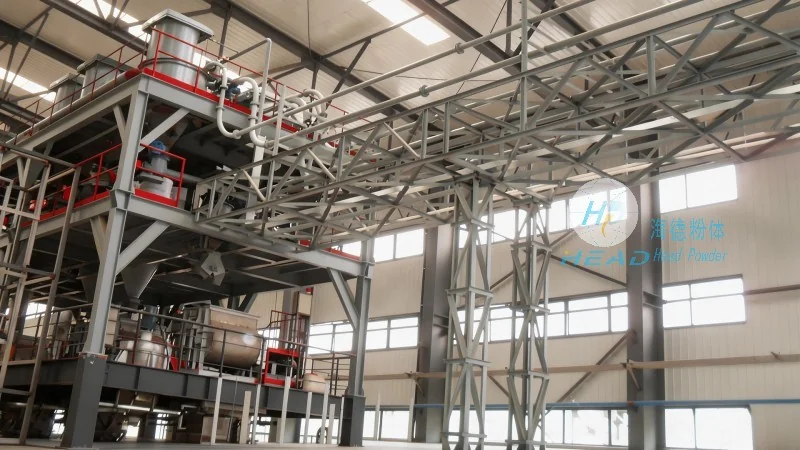
Overview of the Sugar Material Conveying System
The sugar material conveying system typically consists of several key components, including hoppers, feeders, conveyor belts or pipes, control panels, and safety mechanisms. Each component plays a vital role in the overall operation, working in tandem to handle the bulk materials with precision and safety. The system is designed to handle high volumes of sugar materials while maintaining low maintenance costs and high operational reliability.
Key Components and Their Functions
1. Hoppers: These are large containers that store raw sugar or other bulk materials. They are equipped with level sensors to monitor the material level and ensure proper feeding to the subsequent equipment. The hoppers are often made of durable materials like stainless steel to withstand the corrosive nature of sugar and molasses.
2. Feeders: Feeders are responsible for controlling the flow rate of the material from the hoppers. Common types include rotary valves, vibratory feeders, and screw feeders. These devices regulate the amount of material entering the conveyor system, preventing overloading and ensuring a steady supply to the next stage.
3. Conveyors: The conveyor system is the core of the material transport. It can be a belt conveyor, a pneumatic conveyor, or a screw conveyor, depending on the material characteristics and plant layout. Belt conveyors are widely used for horizontal and slight incline transport due to their high capacity and low maintenance. Pneumatic conveyors use air pressure to move powders and granules, offering flexibility in layout but requiring careful air management. Screw conveyors are suitable for vertical or inclined transport, using a rotating screw to push materials forward.
4. Control Panels: The control panel houses the electrical and electronic systems that monitor and control the entire conveying process. It includes sensors for level, temperature, and pressure, as well as control buttons and indicators. The panel allows operators to adjust the speed of the conveyor, control the feeder output, and receive alerts for any abnormal conditions, ensuring safe and efficient operation.
5. Safety Mechanisms: Safety is a top priority in sugar processing. The system incorporates various safety features, such as emergency stop buttons, overload protection, and material blockage detection. These mechanisms prevent accidents and protect both personnel and equipment from damage, adhering to industrial safety standards.
Operation Process of the Conveying System
The operation process of a sugar material conveying system begins with the loading of raw materials into the hoppers. Level sensors in the hoppers detect the material level and signal the feeder to start feeding when the level drops below a certain threshold. The feeder then regulates the flow rate, ensuring a consistent supply of material to the conveyor. The conveyor transports the material to the next processing stage, such as a crusher or a centrifuge. At each stage, the system may include additional components like classifiers or separators to sort the material based on size or density.
During the operation, the control panel continuously monitors the system parameters. If any parameter deviates from the set points, the panel triggers an alarm or automatically adjusts the system to maintain optimal performance. For example, if the conveyor speed is too high, the system may reduce the feeder speed to prevent material spillage. Similarly, if the material level in the hopper is too low, the system may stop the conveyor to avoid empty running.
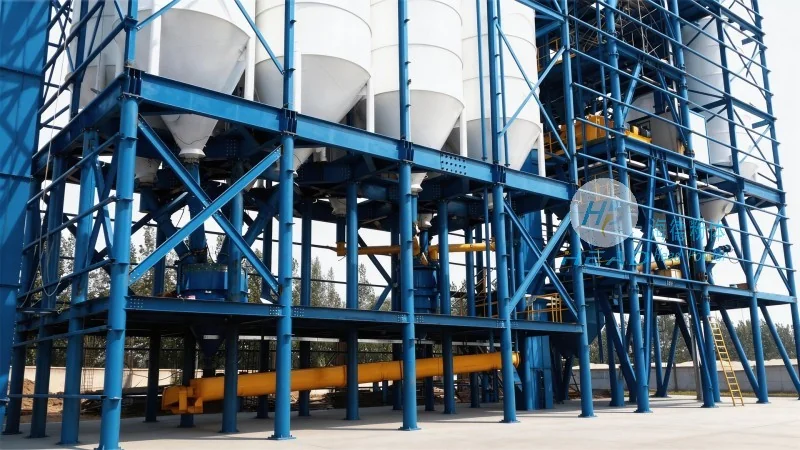
The entire process is automated, with minimal human intervention required. This automation not only improves efficiency but also reduces the risk of human error. Operators can monitor the system from a central control room, receiving real-time data on the material flow, system status, and any alerts. The system can also be programmed to perform routine maintenance tasks, such as cleaning the conveyor belts or lubricating the feeder mechanisms, ensuring that the equipment remains in good working condition.
Working Principle of the Conveying System
The working principle of a sugar material conveying system is based on the transfer of material from one point to another using mechanical or pneumatic forces. The system converts the potential energy of the material in the hopper into kinetic energy, moving it through the conveyor. The key principles include gravity, friction, and air pressure, depending on the type of conveyor used.
For belt conveyors, the working principle involves the rotation of the drive pulley, which pulls the belt and moves the material placed on it. The material is carried by the belt and deposited at the discharge point. The speed of the belt is controlled by the motor, and the tension is adjusted to prevent slippage and ensure smooth operation. The belt is often made of durable materials like rubber or plastic, which can withstand the abrasive nature of sugar and molasses.
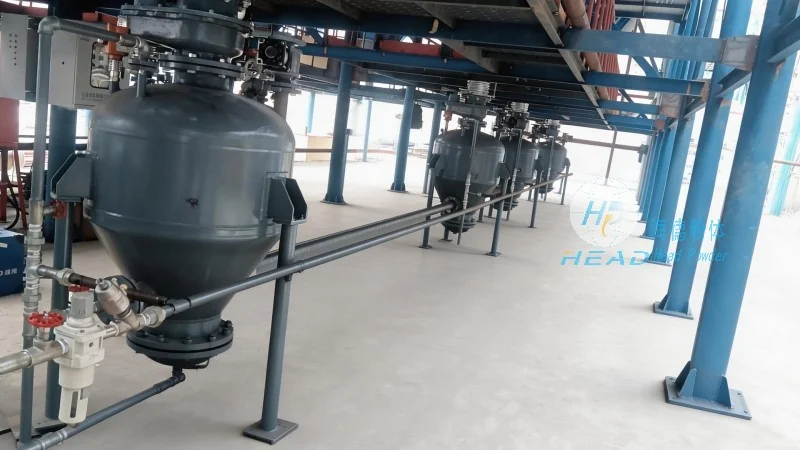
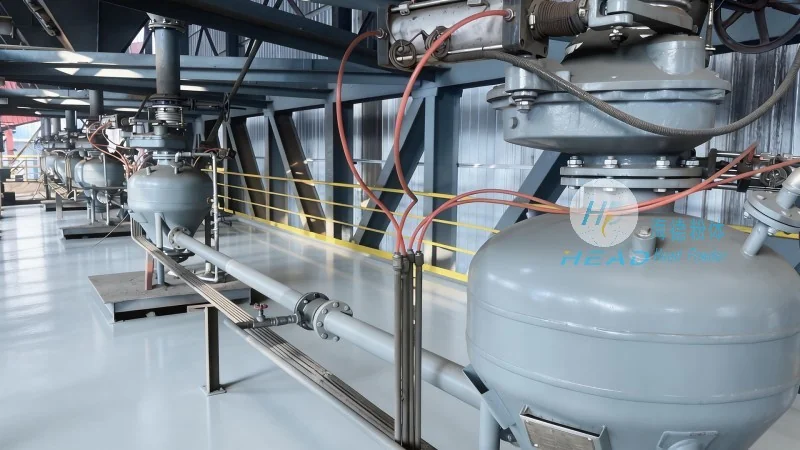
In pneumatic conveyors, the working principle relies on the use of air pressure to move the material. The material is fed into a hopper, and then a fan or blower creates a high-pressure air stream. The material is then carried by the air stream through a pipeline to the discharge point. The air pressure is carefully controlled to ensure that the material is transported without breaking or degrading. Pneumatic conveyors are particularly useful for transporting fine powders or granules that are difficult to handle with other methods.
Screw conveyors operate on the principle of a rotating screw, which pushes the material forward. The screw is enclosed in a tube, and the material is fed into one end. As the screw rotates, it moves the material along the tube, depositing it at the other end. The speed of the screw and the pitch of the screw determine the capacity and the angle of incline that the conveyor can handle. Screw conveyors are ideal for vertical or inclined transport, as they can handle materials with high moisture content without clogging.
Advantages of the Sugar Material Conveying System
Implementing a well-designed sugar material conveying system offers several advantages for sugar processing facilities. Firstly, it improves production efficiency by ensuring a continuous and steady flow of materials, reducing downtime and increasing output. Secondly, it enhances product quality by maintaining consistent material handling, preventing contamination and degradation. Thirdly, it reduces labor costs by automating the material transport process, minimizing the need for manual handling. Fourthly, it lowers maintenance costs by using durable components and incorporating preventive maintenance features. Finally, it improves safety by incorporating various safety mechanisms, reducing the risk of accidents and injuries.
Conclusion
The operation process and working principle of sugar material conveying systems are critical to the efficient and safe operation of sugar processing facilities. By understanding the key components, operation process, and working principles, plant managers can optimize their systems to achieve higher productivity, better product quality, and lower operational costs. With advancements in technology, modern sugar material conveying systems are becoming more efficient, reliable, and user-friendly, making them an essential part of any modern sugar processing plant.




