HeadPowder, a leading provider in the material handling sector, specializes in the design and implementation of efficient diatomite pneumatic conveying systems. These systems are engineered to handle diatomite, a natural sedimentary rock primarily composed of fossilized diatoms, which is widely used in filtration, insulation, and other industrial applications. HeadPowder, headquartered in Shandong, China, utilizes advanced engineering principles to ensure these systems deliver optimal performance, reliability, and efficiency in material transport processes.
Key Components and Their Functions
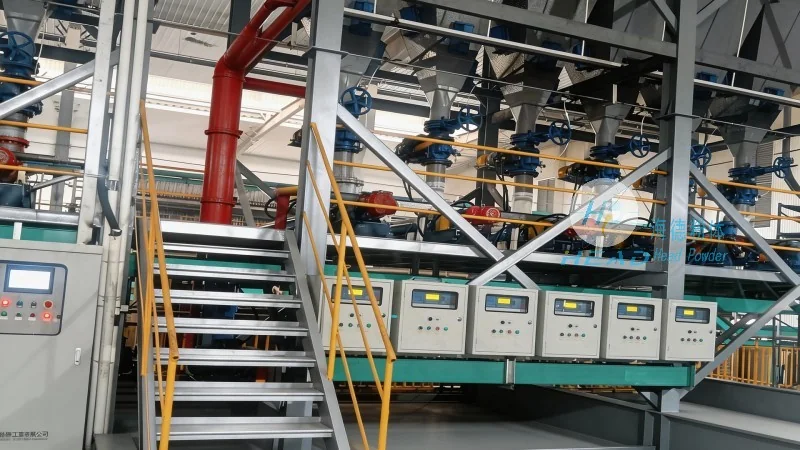
The diatomite pneumatic conveying system consists of several critical components that work together to facilitate material movement. The primary components include a storage hopper for diatomite, a rotary valve or feeder to control the flow rate, a pipeline network for transporting the material, a blower or compressor to generate the necessary air pressure, and a receiver or discharge unit for material collection. Each component is carefully selected and integrated to ensure seamless operation, minimal downtime, and consistent material handling performance.
Step-by-Step Operation Process
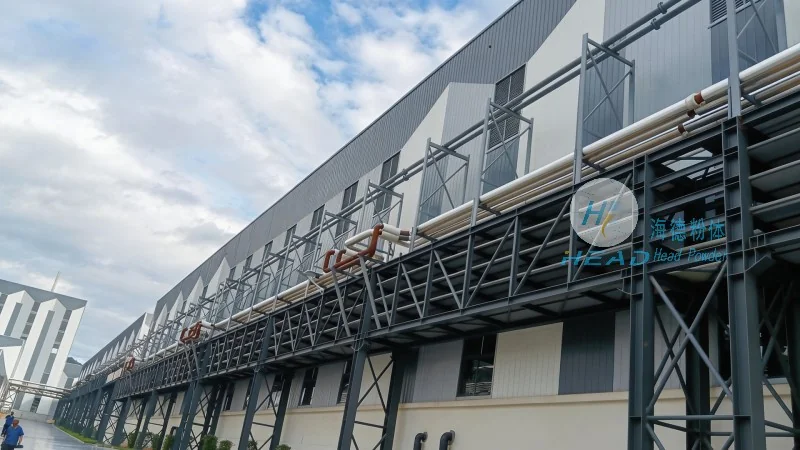
The operation of the diatomite pneumatic conveying system begins with loading diatomite into the storage hopper. The rotary valve then regulates the flow of material into the pipeline, ensuring a controlled and steady feed. Simultaneously, the blower generates high-pressure air that mixes with the diatomite, creating a slurry-like mixture. This air stream propels the material through the pipeline, maintaining a velocity above the minimum transport threshold to keep particles suspended and moving. At the receiving end, a cyclone or filter separates the diatomite from the air, allowing the material to be collected in the receiver. The system is designed to maintain stable pressure and flow rates, minimizing risks of blockages or material degradation during transport.
Working Principle: Fluid Dynamics and Particle Mechanics
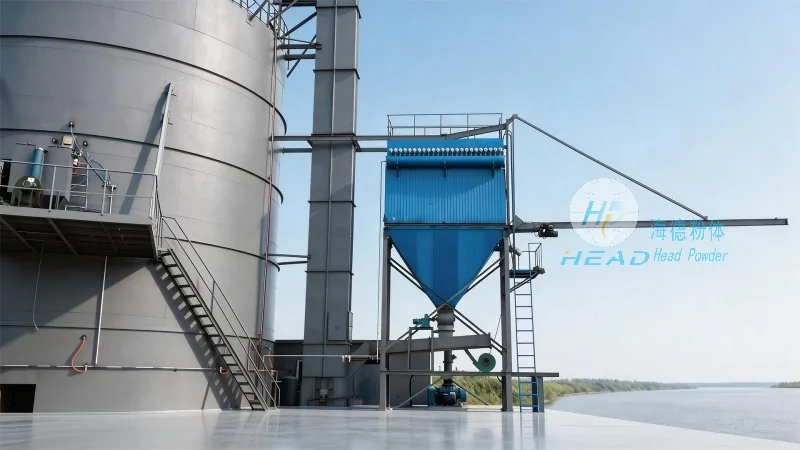
The system operates based on principles of fluid dynamics and particle transport. Under positive pressure, the blower creates a high-velocity air stream that entrains diatomite particles. The air velocity is maintained above the critical transport velocity, ensuring particles remain suspended and move through the pipeline without settling. The pipeline design, including bends and fittings, is optimized to minimize pressure loss and maintain uniform air flow. At the discharge point, separation occurs via gravitational settling or mechanical separation, ensuring efficient collection of diatomite while retaining air for recycling or exhaust. The entire process is governed by the balance of air pressure, particle size, and pipeline geometry to achieve reliable material transport.
Advantages of Pneumatic Conveying Systems
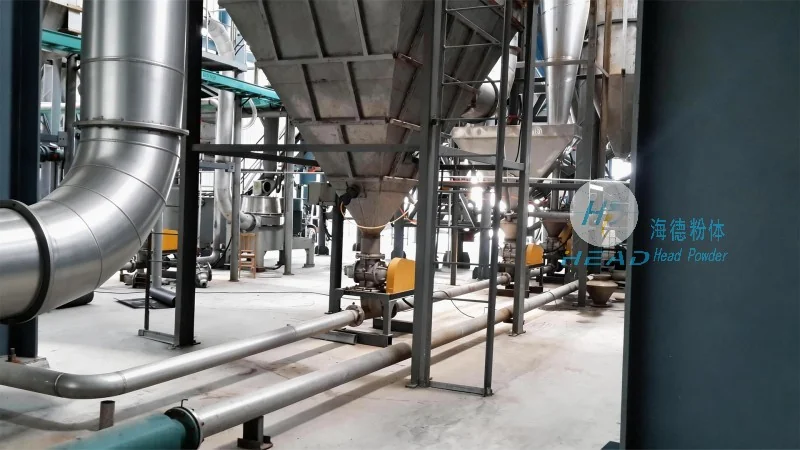
Implementing a diatomite pneumatic conveying system offers several advantages over traditional material handling methods. These systems provide flexibility for vertical, horizontal, or inclined transport, accommodating diverse industrial layouts. The enclosed pipeline design reduces dust emissions and enhances workplace safety, making them suitable for environments where dust control is critical. Additionally, the systems can handle a wide range of particle sizes and densities, making them versatile for various diatomite applications. Integration with other processing equipment, such as crushers or filters, improves overall production efficiency and reduces operational costs. The low maintenance requirements and long service life of components contribute to cost savings over the system's operational lifespan.




