HeadPowder, a leading provider in the field, specializes in the design, manufacturing, and implementation of advanced fly ash pneumatic conveying systems. These systems are crucial for efficiently transporting fly ash, a byproduct of coal combustion, from power plants to disposal or utilization sites. The operation and working principles of such systems are integral to their effectiveness and reliability in industrial applications.
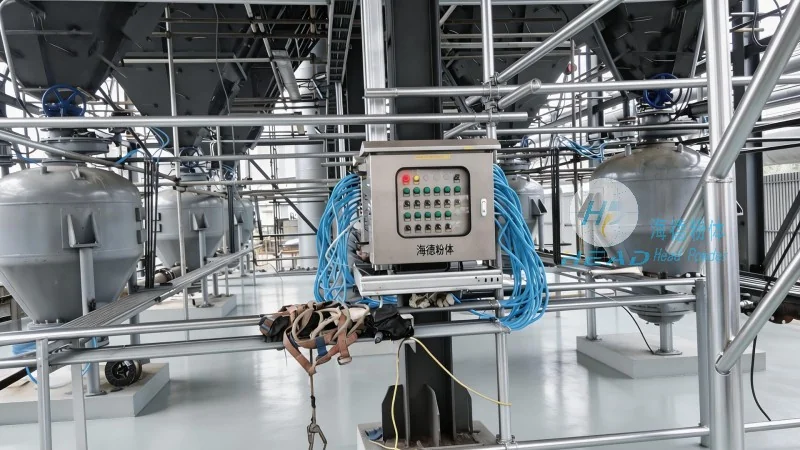
Key Components of the Pneumatic Conveying System
The fly ash pneumatic conveying system typically consists of several core components that work in tandem to ensure smooth material transport. These include a hopper for material storage, a rotary airlock valve to control the flow of fly ash into the system, a pipeline network that transports the material, a pressure vessel or receiver for material collection at the destination, and a blower or fan that generates the necessary air pressure. Each component plays a vital role in maintaining the system's efficiency and preventing blockages or material degradation.
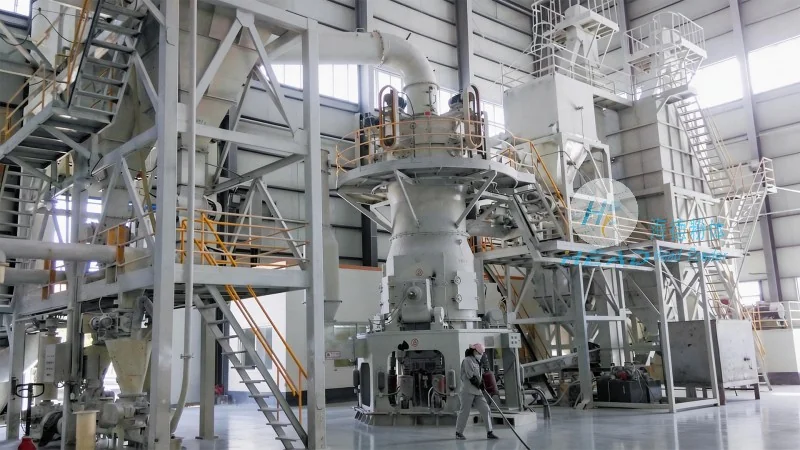
Working Principle of the System
The fundamental working principle of a fly ash pneumatic conveying system is based on the use of air to move solid particles through a pipeline. The process begins with the fly ash being fed into the hopper. From there, the rotary airlock valve regulates the amount of material entering the system. The blower then creates a high-pressure airflow within the pipeline, which propels the fly ash particles forward. Depending on the system design and operating conditions, the flow can be categorized as either dense phase or dilute phase. In dense phase conveying, the air velocity is relatively low, and the material is carried in a slurry-like state, which reduces particle separation and minimizes wear on the pipeline. In dilute phase conveying, the air velocity is higher, and the material is suspended in the air, allowing for longer transport distances but requiring more energy. The pipeline network includes various components such as bends, expansions, and reductions, which are strategically placed to maintain the flow velocity and prevent particle settling or blockages. The material is then discharged into the receiver at the end of the pipeline, where it can be further processed or disposed of.
Operation Process: From Inlet to Outlet
The operation process of the fly ash pneumatic conveying system involves several sequential steps that ensure consistent and reliable material transport. Initially, the system is started by activating the blower, which establishes the required air pressure. Simultaneously, the rotary airlock valve at the inlet opens to allow fly ash to enter the system. The fly ash is then drawn into the pipeline by the high-pressure air, forming a dense phase or dilute phase flow, depending on the system design and operating conditions. The pipeline network guides the material to the destination, where the receiver is positioned to collect the discharged fly ash. The system continues to operate as long as the material supply is maintained and the air pressure is sufficient to sustain the flow. Regular monitoring of pressure, flow rates, and material levels is essential to detect any anomalies and ensure the system's optimal performance.
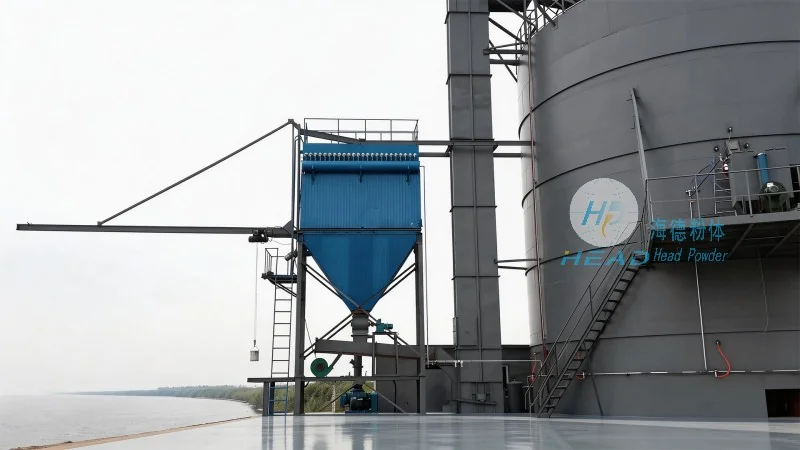
Advantages and Considerations in Fly Ash Pneumatic Conveying
Implementing a fly ash pneumatic conveying system offers several advantages, including high efficiency in material transport, reduced labor costs due to automated processes, and minimized environmental impact by preventing dust emissions during handling. However, the system's performance is influenced by factors such as the moisture content of the fly ash, particle size distribution, and the length and layout of the pipeline. Proper system design and maintenance are crucial to mitigate issues like blockages, corrosion, or air leakage, which can affect the system's longevity and operational efficiency. HeadPowder, with its expertise in engineering and manufacturing, provides tailored solutions that address these considerations, ensuring that clients receive systems that meet their specific operational requirements.




