High-calcium powder pneumatic conveying systems are critical in industrial settings where the efficient and safe transport of calcium-rich powders is required. This article provides a comprehensive overview of the operation process and working principles of such systems, focusing on technical details and practical considerations for optimal performance.
Introduction to High-Calcium Powder Pneumatic Conveying
High-calcium powders, including limestone and calcium carbonate, are widely utilized across industries like construction, food processing, and chemical manufacturing. Transporting these powders presents challenges due to their abrasive nature, high density, and propensity for dust generation. Pneumatic conveying systems offer a solution by using air or gases to move the powder through pipelines, eliminating mechanical components like conveyors or elevators that may suffer from wear and maintenance issues.
Key Components of the Pneumatic Conveying System
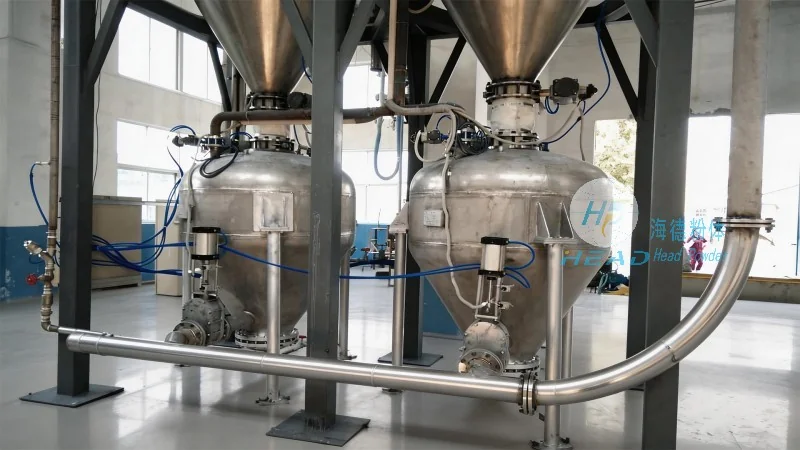
The high-calcium powder pneumatic conveying system comprises several essential components that function together to ensure smooth operation. These include the hopper or storage silo for powder storage, a feeder to regulate flow rate, a compressor or blower to generate air pressure, a pipeline network for transport, and a receiver or discharge unit to collect material at the destination. Each component is vital for maintaining system efficiency and reliability.
Working Principle of the System
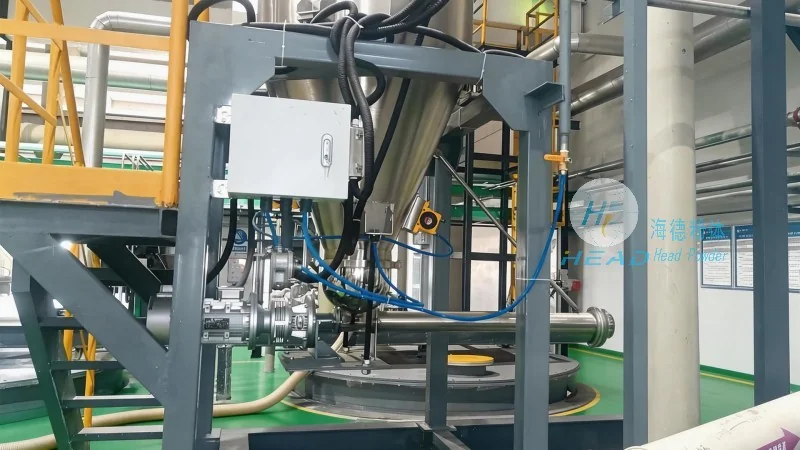
The operation of a high-calcium powder pneumatic conveying system is based on fluidization and pneumatic transport principles. Air introduced into the powder in the hopper creates a fluidized bed, allowing the powder to behave like a liquid. The feeder then meters the powder into the pipeline, where air flow propels it through the system. Air pressure and velocity are carefully controlled to ensure powder transport without clogging or degradation. The system typically operates under positive pressure (air forced through the pipeline) or negative pressure (air drawn out), depending on application and material properties.
Operation Process Step-by-Step
The operation process of the high-calcium powder pneumatic conveying system involves sequential steps. First, the high-calcium powder is stored in the hopper or silo. The feeder regulates powder flow into the pipeline at a consistent rate. The compressor or blower supplies required air pressure, which mixes with the powder to form a slurry-like mixture. This mixture travels through the pipeline to the receiver, where air is separated from the powder (recirculated or vented) and the powder is discharged into the final storage or processing unit. Sensors and controls monitor pressure, flow rate, and temperature to maintain optimal conditions and prevent failures.
Advantages of High-Calcium Powder Pneumatic Conveying Systems
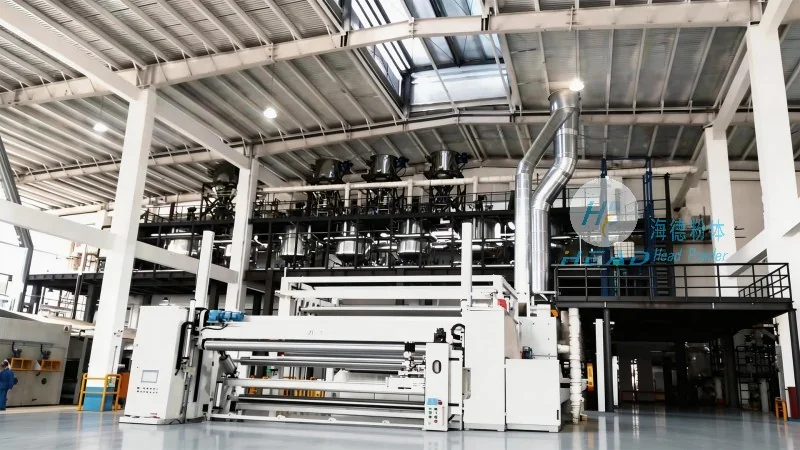
High-calcium powder pneumatic conveying systems offer advantages over traditional mechanical methods. These include reduced maintenance costs from no moving parts, improved safety by minimizing dust exposure, and the ability to transport powders over long distances without degradation. Precise flow rate control is crucial for accurate dosing applications. The enclosed pipeline design prevents environmental contamination and ensures compliance with dust control regulations.
Applications and Industries
High-calcium powder pneumatic conveying systems are used in various industries handling calcium-rich powders. In construction, they transport limestone or calcium carbonate for cement production and concrete mixing. The food industry uses them for calcium supplements or additives. The chemical industry employs these systems for calcium-based chemicals in manufacturing. The system's versatility makes it suitable for diverse applications requiring efficient powder transport.
Maintenance and Troubleshooting
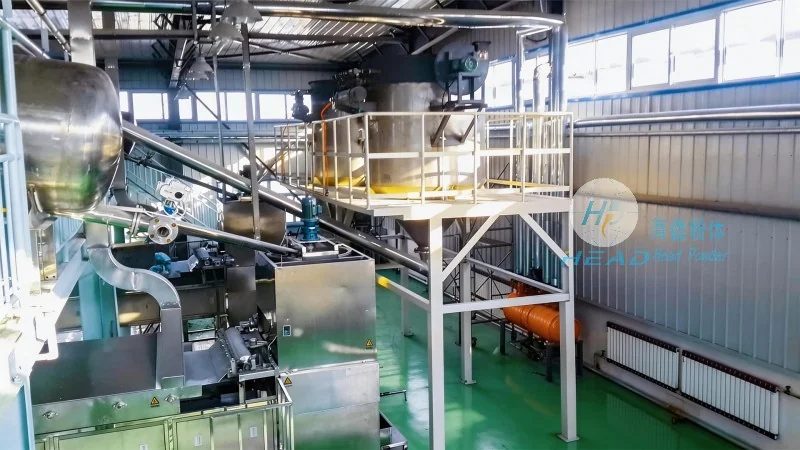
Proper maintenance is essential for long-term system performance and reliability. Regular inspections of the hopper, feeder, and pipeline for wear or blockages are necessary. The compressor or blower should be checked for proper air pressure and flow. Filters and separators must be cleaned or replaced to prevent dust accumulation and clogging. Common issues like clogging, pressure drops, or uneven flow can often be resolved by adjusting feeder settings, increasing air pressure, or cleaning the pipeline. A regular maintenance schedule minimizes downtime and ensures peak efficiency.
Conclusion
High-calcium powder pneumatic conveying systems are a reliable and efficient solution for transporting calcium-rich powders in modern industrial operations. Understanding the operation process and working principles is key to optimizing performance and ensuring safety. By leveraging expertise from companies like Shandong HeadPowder Engineering Co., Ltd., industries can implement effective pneumatic conveying solutions that meet specific needs and regulatory requirements. Continued technological advancements ensure these systems remain critical in industrial applications.




