Shandong HeadPowder Engineering Co., Ltd., a leading manufacturer based in Shandong, China, specializes in the design, development, and production of advanced wheat material handling systems. The company's expertise lies in creating efficient and reliable equipment tailored to the unique demands of the grain processing industry. This article delves into the operation process and working principle of their wheat material handling system equipment, providing a comprehensive understanding of how these systems function to optimize grain handling operations.
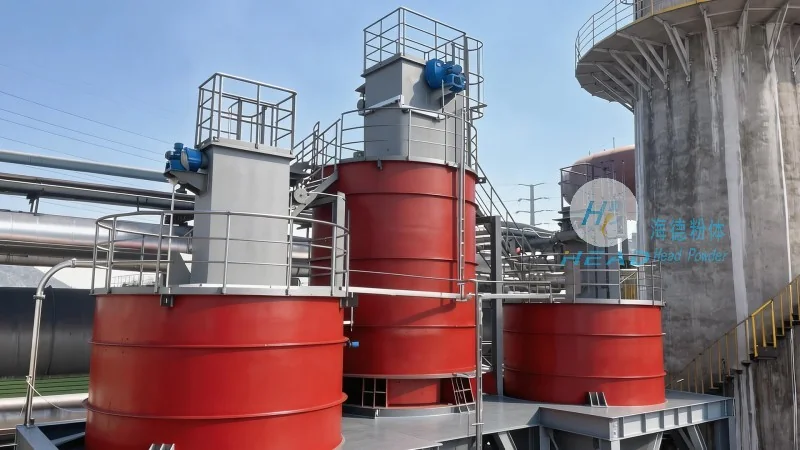
Introduction to Wheat Material Handling Systems
Wheat material handling systems are critical components in modern grain processing facilities, responsible for the efficient movement of wheat from storage to processing stages. These systems integrate various equipment such as conveyors, elevators, and feeders to ensure smooth and continuous material flow. The design of these systems is tailored to handle the specific characteristics of wheat, including its size, density, and moisture content, to minimize loss and maximize throughput. Shandong HeadPowder Engineering Co., Ltd. has developed a range of solutions that address these challenges, offering customized systems that meet the diverse needs of agricultural and food processing industries.
Key Components of the Wheat Material Handling System
The wheat material handling system typically consists of several key components that work in tandem to achieve efficient material transport. The primary components include:
1. Feeders: These devices are responsible for evenly distributing the wheat from storage bins or silos into the conveyor system. Feeders can be of various types, such as belt feeders or screw feeders, depending on the application. They ensure a consistent flow of material, preventing overloading or underloading of the conveyor.
2. Conveyors: Conveyors are the backbone of the material handling system, responsible for transporting wheat from one location to another. Common types include belt conveyors, screw conveyors, and bucket elevators. Belt conveyors are widely used for horizontal and inclined transport, while bucket elevators are ideal for vertical lifting. The choice of conveyor type depends on the distance, height, and material characteristics.
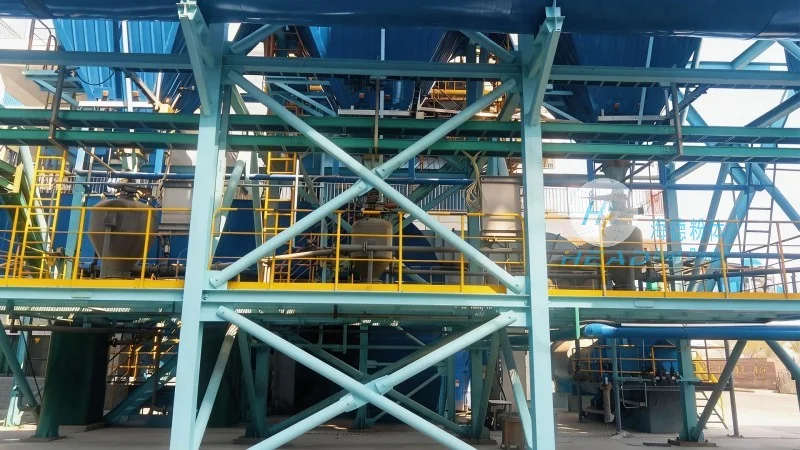
3. Elevators: Elevators are used to lift wheat vertically, often from ground level to higher storage or processing levels. They are typically equipped with buckets or belts that carry the wheat up a vertical shaft. This component is crucial for vertical transport in large-scale grain facilities, enabling the efficient movement of large volumes of wheat.
4. Diverters and Sorters: These components are used to direct the flow of wheat into different processing lines or storage areas. Diverters can be mechanical or pneumatic, allowing for flexible routing of the material. Sorters, on the other hand, may be used to separate different grades of wheat or remove impurities, ensuring that only high-quality material proceeds to the next stage.
Operation Process of the Wheat Material Handling System
The operation process of the wheat material handling system begins with the intake of wheat from storage bins or silos. The feeders then evenly distribute the wheat into the conveyor system. The conveyor transports the wheat to the elevator, which lifts it to the desired height. From there, the wheat is directed to the processing line or storage area using diverters and sorters. The entire process is automated, with sensors and control systems monitoring the flow and adjusting the speed of the equipment as needed to maintain optimal performance.
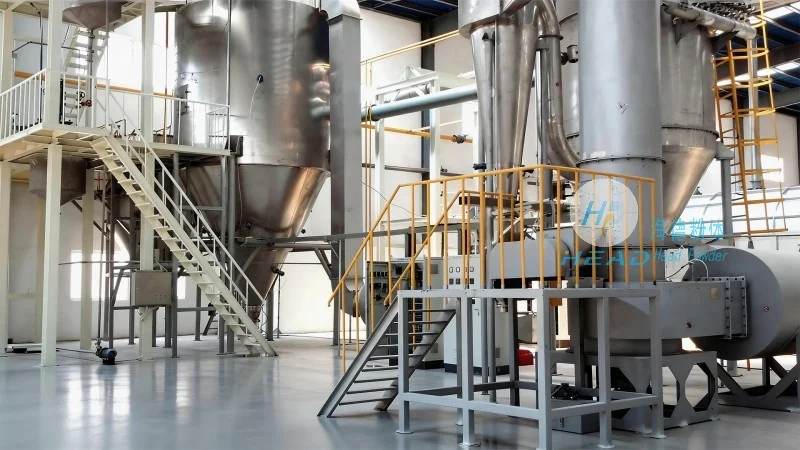
During operation, the system continuously monitors key parameters such as flow rate, pressure, and temperature to ensure that the wheat is handled safely and efficiently. Any deviations from the set parameters are immediately detected and corrected by the control system, preventing damage to the equipment or loss of material. The automation of the system reduces the need for manual intervention, minimizing labor costs and improving overall operational efficiency.
Working Principle of the Wheat Material Handling System
The working principle of the wheat material handling system is based on the mechanical transfer of material through a series of interconnected components. The system uses gravity, mechanical force, and sometimes pneumatic pressure to move the wheat from one point to another. The feeders ensure a uniform flow of material, which is then conveyed by the conveyor system. The elevator lifts the material vertically, while diverters and sorters direct it to the appropriate destination.
The control system plays a vital role in coordinating the operation of all components. It uses sensors to detect the position and speed of each component and adjusts the power supply accordingly. For example, if the conveyor is overloaded, the control system will reduce the speed or stop the feeder to prevent damage. Similarly, if the elevator is not receiving enough material, the control system will increase the speed of the feeder to maintain a consistent flow.
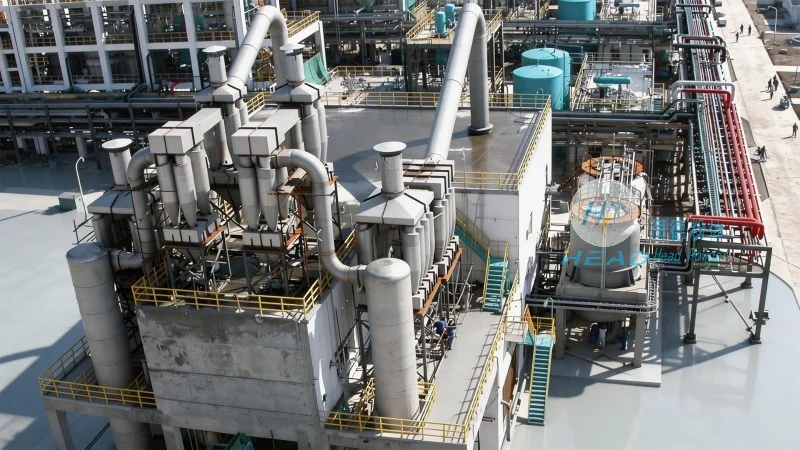
The system is designed to be energy-efficient, with components that minimize power consumption while maximizing throughput. The use of high-quality materials and advanced engineering ensures that the system operates reliably over long periods, with minimal maintenance requirements. Shandong HeadPowder Engineering Co., Ltd. has incorporated these principles into their designs, resulting in equipment that is durable, efficient, and cost-effective for grain processing facilities.
Advantages of Using Wheat Material Handling Systems
Implementing a wheat material handling system offers several advantages for grain processing facilities. Firstly, it improves operational efficiency by ensuring a continuous and smooth flow of material, reducing downtime and increasing throughput. Secondly, it minimizes material loss and damage by using gentle handling techniques, such as low-speed conveyors and soft feeders. Thirdly, it enhances safety by automating the process and reducing the need for manual handling of heavy or bulky materials.
Additionally, the system allows for better control and monitoring of the grain quality, as sensors can detect and record parameters such as moisture content, temperature, and impurity levels. This data can be used to optimize processing conditions and improve product quality. The system also reduces labor costs by automating repetitive tasks, allowing employees to focus on more critical operations.
Conclusion
Shandong HeadPowder Engineering Co., Ltd. provides advanced wheat material handling systems that are designed to meet the specific needs of the grain processing industry. The operation process and working principle of these systems are based on efficient and reliable components that work together to ensure optimal performance. By implementing such systems, grain processing facilities can improve their operational efficiency, reduce costs, and enhance product quality. The company's expertise in designing and manufacturing these systems makes them a trusted partner for businesses in the agricultural and food processing sectors.




