HeadPowder, a leading provider in the field of material handling solutions, specializes in the design, manufacturing, and installation of advanced pneumatic conveying systems for various industrial applications. This article provides a detailed overview of the operation process and working principle of a magnesium oxide powder pneumatic conveying system, highlighting the key components, operational steps, and technical aspects that ensure efficient and reliable material transport.
Introduction to Magnesium Oxide Powder Pneumatic Conveying Systems
Magnesium oxide (MgO), commonly known as magnesia, is a white crystalline solid widely used in industries such as refractory materials, pharmaceuticals, and chemical manufacturing. The efficient handling of magnesium oxide powder is crucial for maintaining product quality and operational efficiency. Pneumatic conveying systems offer a non-contact, dust-free, and flexible method for transporting fine powders like magnesium oxide, making them an ideal solution for industries that require precise control over material flow and environmental conditions.
Key Components of a Magnesium Oxide Powder Pneumatic Conveying System
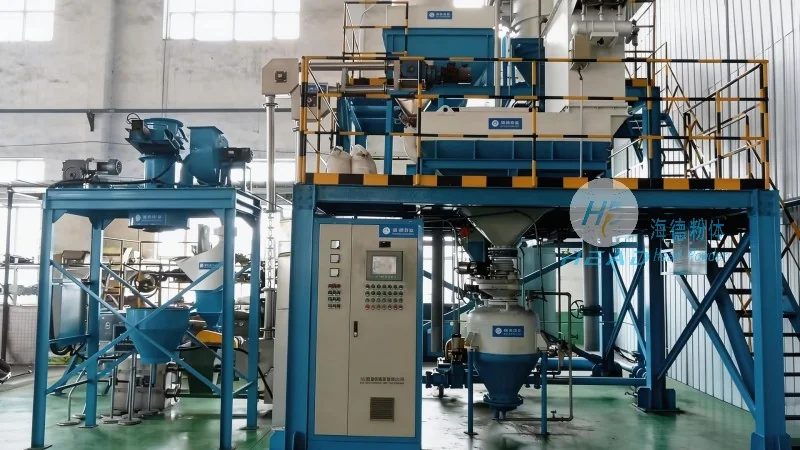
The magnesium oxide powder pneumatic conveying system typically consists of several essential components that work in tandem to achieve effective material transport. These components include a hopper for material storage, a rotary airlock valve for controlled material discharge, a conveying pipeline system, a blower or compressor to generate the necessary air pressure, a filter system to capture and collect the conveyed powder, and a dust collection system to ensure environmental compliance. Each component plays a critical role in the overall performance and reliability of the system.
Working Principle of the Pneumatic Conveying Process
The operation of a magnesium oxide powder pneumatic conveying system is based on the principle of using compressed air to move the powder through a pipeline. The process begins with the material being fed from the hopper into the rotary airlock valve, which controls the flow rate and prevents backflow. The compressed air from the blower is introduced into the pipeline, creating a high-velocity air stream that entrains the magnesium oxide powder particles. As the air and powder mixture travels through the pipeline, the powder is suspended and transported to the destination point, such as a storage silo or processing unit. The filter system at the end of the pipeline captures the powder, allowing the clean air to be discharged or recycled back into the system.
Operation Process: Step-by-Step Guide
The operation of the magnesium oxide powder pneumatic conveying system follows a systematic process to ensure smooth and continuous material transport. The steps involved are as follows:
1. Material Loading: The magnesium oxide powder is loaded into the hopper from a bulk storage or production line. The hopper is designed with a sloped bottom to facilitate uniform material flow.
2. Material Discharge: The rotary airlock valve at the bottom of the hopper opens to allow a controlled amount of powder to enter the conveying pipeline. The valve rotates to create a seal, preventing air leakage and ensuring precise material discharge.
3. Air Compression: The blower or compressor generates high-pressure air, which is directed into the pipeline. The air pressure is carefully regulated to match the material's characteristics and the required conveying distance.
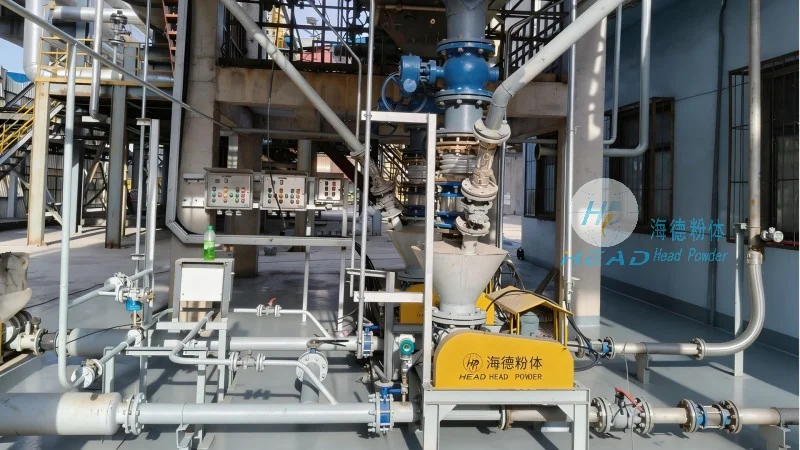
4. Powder Entrainment: The compressed air creates a high-velocity flow that entrains the magnesium oxide powder particles, forming a dense phase or dilute phase conveying system depending on the system design and material properties.
5. Pipeline Transport: The air-powder mixture travels through the pipeline to the receiving hopper or processing unit. The pipeline is typically made of materials such as stainless steel or plastic to prevent corrosion and ensure durability.
6. Powder Separation and Collection: At the end of the pipeline, the filter system separates the magnesium oxide powder from the air. The powder is collected in a storage container, while the clean air is either discharged to the atmosphere or recycled back into the system to improve energy efficiency.
Advantages of Using a Magnesium Oxide Powder Pneumatic Conveying System
Implementing a pneumatic conveying system for magnesium oxide powder offers several advantages over traditional material handling methods. These benefits include:
- Non-Contact Handling: The system avoids direct contact between the material and equipment, reducing the risk of contamination and product degradation.
- Dust-Free Operation: The enclosed pipeline system prevents dust emissions, improving workplace safety and environmental compliance.
- Flexible and Scalable: The system can be easily modified or expanded to accommodate changes in production volume or material requirements.
- Reduced Maintenance: Compared to mechanical conveying systems, pneumatic systems have fewer moving parts, leading to lower maintenance costs and longer equipment lifespan.
- Energy Efficiency: Advanced blower technologies and recycling systems help minimize energy consumption, making the system cost-effective in the long run.
Applications and Industries Served
The magnesium oxide powder pneumatic conveying system is widely used in various industries that require the handling of fine powders. Some of the key applications include:
- Refractory Manufacturing: In the production of refractory bricks and linings, magnesium oxide powder is conveyed to mixing and molding equipment.
- Pharmaceutical Industry: For the handling of magnesium oxide in drug formulations, the system ensures hygienic and dust-free transport.
- Chemical Processing: In chemical plants, the system is used to transport magnesium oxide as a raw material for various chemical reactions.
- Food and Beverage Industry: In some applications, magnesium oxide is used as a food additive, and the system ensures safe and clean handling.
Conclusion
HeadPowder Engineering Co., Ltd., based in Shandong, China, specializes in providing high-quality pneumatic conveying systems tailored to the specific needs of magnesium oxide powder handling. By understanding the operation process and working principle of such systems, industries can optimize their material handling processes, improve efficiency, and ensure product quality. The advanced technology and expertise offered by HeadPowder make them a reliable partner for businesses seeking to enhance their material transport solutions.




