HeadPowder, a leading engineering company based in Shandong, China, specializes in the design and implementation of advanced pneumatic conveying systems for quartz sand powder. This article provides a detailed overview of the operation process and working principle of such systems, highlighting the key components and the efficient workflow that ensures reliable material transport.
Operation Process of the Pneumatic Conveying System
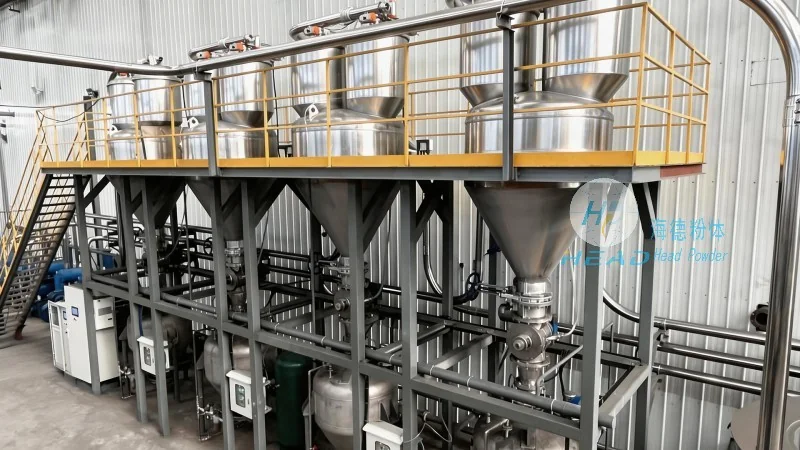
The operation of a quartz sand powder pneumatic conveying system involves several sequential steps, each critical to maintaining the system's efficiency and preventing material degradation. The process begins with the loading of quartz sand powder into the hopper or storage silo. From there, the material is fed into the system via a rotary valve or feeder, which controls the flow rate to match the conveying requirements. The feeder then transfers the powder into the conveying line, where it is mixed with compressed air. The air-powder mixture travels through the pipeline under pressure, reaching the destination point such as a storage tank or processing unit. At the receiving end, a separator or cyclone separates the powder from the air, allowing the powder to be discharged into the target container. The separated air is then either recirculated back into the system or vented to the atmosphere, depending on the system design. Throughout the process, sensors and control systems monitor parameters like pressure, flow rate, and temperature to ensure optimal performance and safety.
Working Principle of the Pneumatic Conveying System
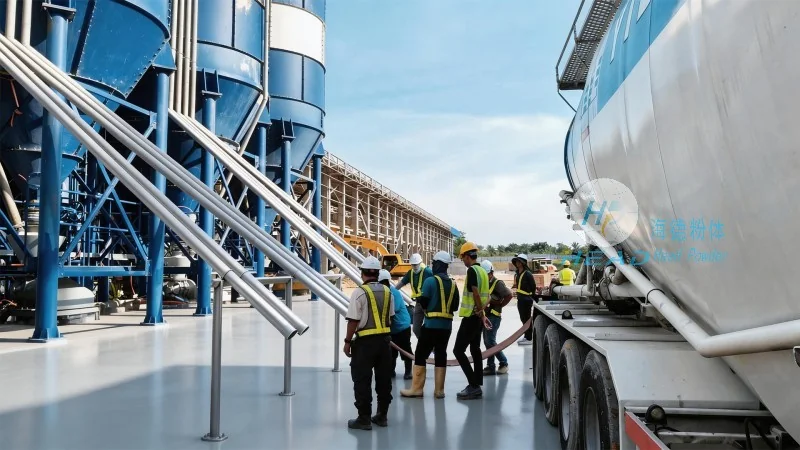
The core working principle of a pneumatic conveying system for quartz sand powder is based on the use of air as the conveying medium. There are two primary types of pneumatic conveying systems: positive pressure and negative pressure. In a positive pressure system, compressed air is introduced at the material inlet, creating a pressure differential that propels the powder through the pipeline. The system typically includes a blower or compressor to generate the necessary air pressure, a feeder to control the material flow, and a pipeline network that transports the air-powder mixture. The separation process at the receiving end uses centrifugal force to separate the powder from the air, with the powder being collected in a hopper or silo and the air being either recirculated or vented. In a negative pressure system, the pipeline is maintained at a lower pressure than the surrounding atmosphere, and air is drawn out of the system to create a vacuum that pulls the powder into the pipeline. Both systems rely on the principles of fluid dynamics and particle transport to achieve efficient material movement. The design of the system, including the size of the pipeline, the type of feeder, and the separation equipment, is tailored to the specific characteristics of quartz sand powder, such as its particle size, density, and flowability, to ensure reliable and efficient operation.
Key Features and Advantages
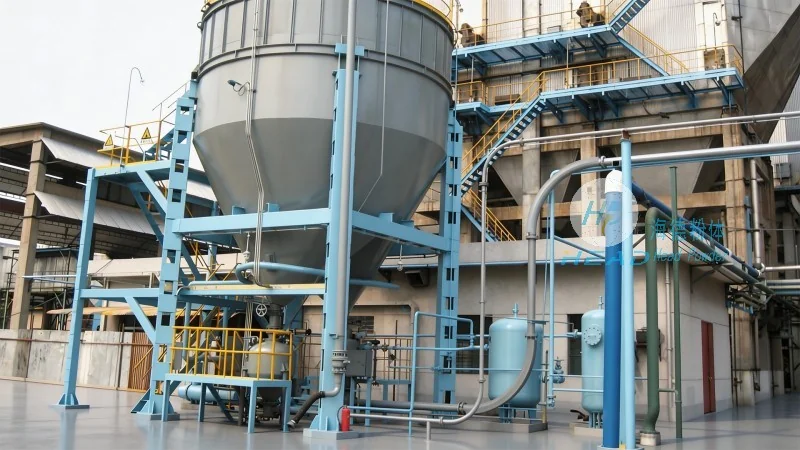
HeadPowder's quartz sand powder pneumatic conveying systems offer several advantages over traditional mechanical conveying methods. One of the primary benefits is the ability to transport materials over long distances without the need for multiple transfer points or intermediate storage. The system is also highly flexible, allowing for changes in the conveying route or capacity without major modifications. Additionally, pneumatic conveying reduces material degradation and contamination, as the powder is enclosed within the pipeline and not exposed to the environment. The system is also energy-efficient, as the air can be recirculated, reducing the need for continuous air supply. Furthermore, the system is easy to maintain and operate, with automated controls that minimize human intervention and ensure consistent performance. These features make the system suitable for various applications, including industrial processing, mining, and construction, where reliable and efficient material transport is critical.




