For industrial applications involving the handling of PVC granules, pneumatic conveying systems offer an efficient and reliable method for material transport. These systems are designed to move plastic particles through a pipeline using pressurized air or vacuum, providing a closed-loop solution that minimizes dust and contamination. The operation of such systems is governed by a combination of mechanical and pneumatic principles, ensuring consistent performance in various production environments.
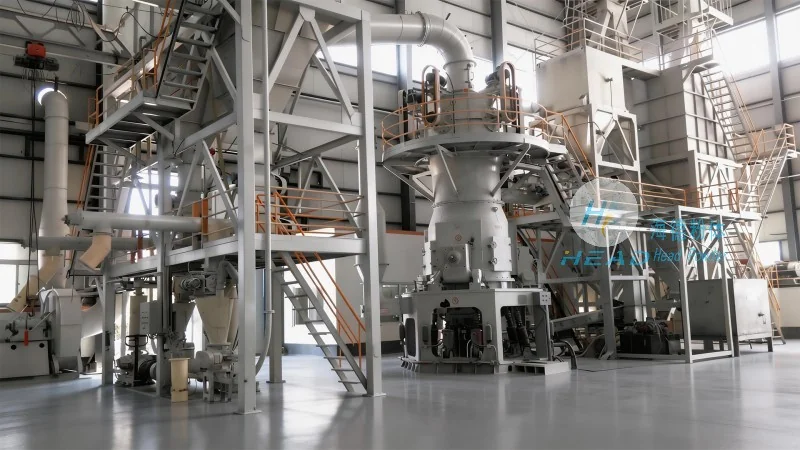
Key Components of a PVC Granule Pneumatic Conveying System
The core components of a PVC granule pneumatic conveying system include the material hopper, feeder, conveying line, and receiver. The material hopper stores the PVC granules and feeds them into the system at a controlled rate. The feeder, often a rotary or vibratory type, regulates the flow of granules into the conveying line. The conveying line, typically made of stainless steel or other corrosion-resistant materials, transports the granules under pressure. The receiver collects the material at the destination point, completing the transport cycle.
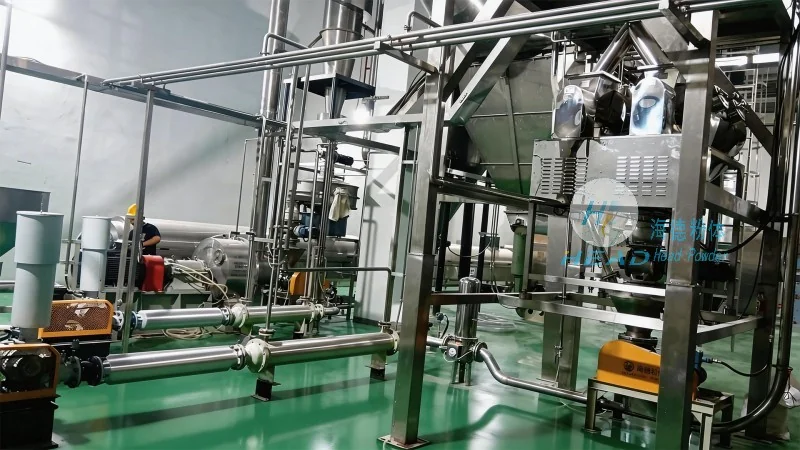
Working Principle of the System
The working principle of a PVC granule pneumatic conveying system involves the use of air as the conveying medium. In a pressure system, compressed air is introduced into the conveying line, creating a positive pressure that pushes the PVC granules forward. The air velocity is maintained above the minimum fluidization velocity to keep the granules suspended and prevent blockages. In a vacuum system, a vacuum pump creates a negative pressure that draws the granules through the line. Both systems rely on the interaction between the air flow and the granule particles to achieve efficient transport.
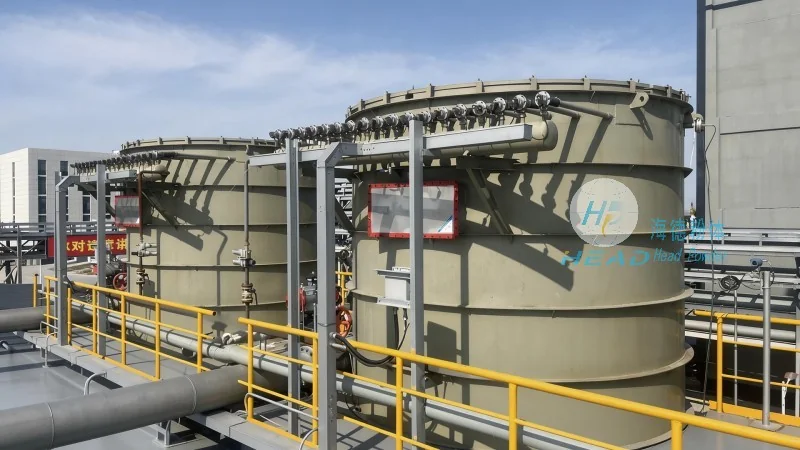
Operation Process: From Hopper to Receiver
The operation process begins with the loading of PVC granules into the material hopper. The feeder then starts, delivering the granules at a pre-set rate into the conveying line. As the air is introduced, the granules are carried along the pipeline, moving from the inlet to the outlet. The receiver at the end of the line collects the material, which can then be discharged for further processing. The system continuously operates, maintaining a steady flow of granules until the hopper is emptied or the process is stopped.
Advantages of Using Pneumatic Conveying for PVC Granules
Pneumatic conveying systems offer several advantages for handling PVC granules. These include the ability to transport materials in a closed environment, reducing dust exposure and contamination risks. The systems are also flexible, allowing for changes in transport distance or destination without major modifications. Additionally, they provide a continuous flow of material, improving production efficiency and reducing downtime. The use of corrosion-resistant materials ensures durability and longevity, making the system suitable for long-term industrial use.
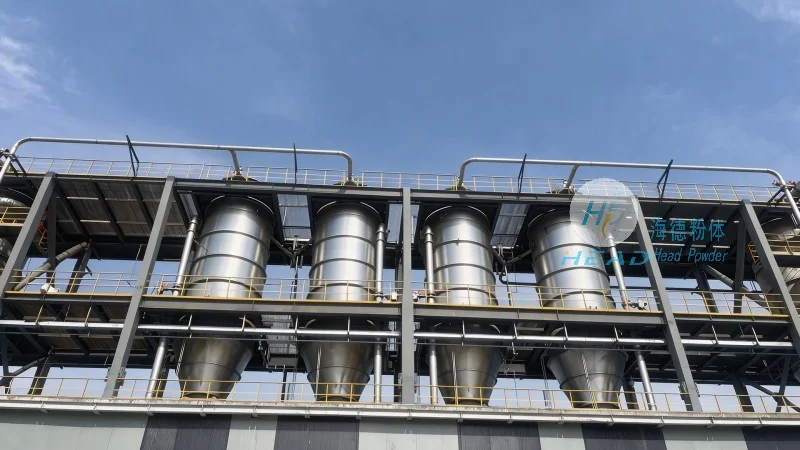
Application Examples in Industrial Settings
In industrial settings, PVC granule pneumatic conveying systems are commonly used in manufacturing processes such as plastic extrusion, molding, and compounding. For example, in a PVC pipe production facility, the system may transport granules from a storage silo to an extrusion machine. In a PVC flooring manufacturing plant, the system could move granules from a hopper to a mixing and compounding unit. These applications highlight the versatility and efficiency of pneumatic conveying in handling PVC materials.




