Headpowder, a leading provider in the field, specializes in the design and implementation of efficient pneumatic conveying systems for handling graphite powder. This article outlines the operational process and underlying principles of such systems, highlighting the key components and the systematic approach to material transport. The company, based in Shandong, China, leverages advanced engineering solutions to ensure reliable and safe handling of graphite powder, a material widely used in various industrial applications.
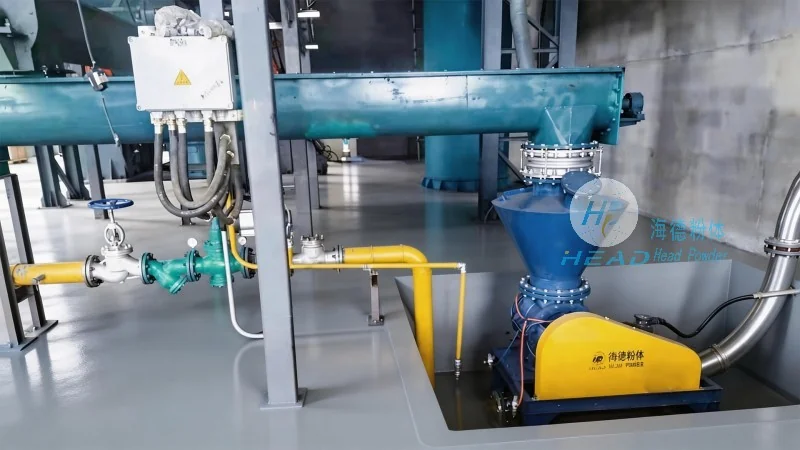
Key Components of the Pneumatic Conveying System
The graphite powder pneumatic conveying system comprises several critical components that work in tandem to facilitate the transport of material. These include a material hopper or feeder, a blower or air compressor, a pipeline network, and a discharge unit. The material hopper is designed to store and feed the graphite powder into the system, ensuring a consistent flow rate. The blower or air compressor generates the necessary air pressure to move the powder through the pipeline. The pipeline network, typically made of materials resistant to graphite dust and corrosion, transports the powder from the source to the destination. The discharge unit, such as a rotary valve or a dust collector, controls the release of the material at the receiving end.
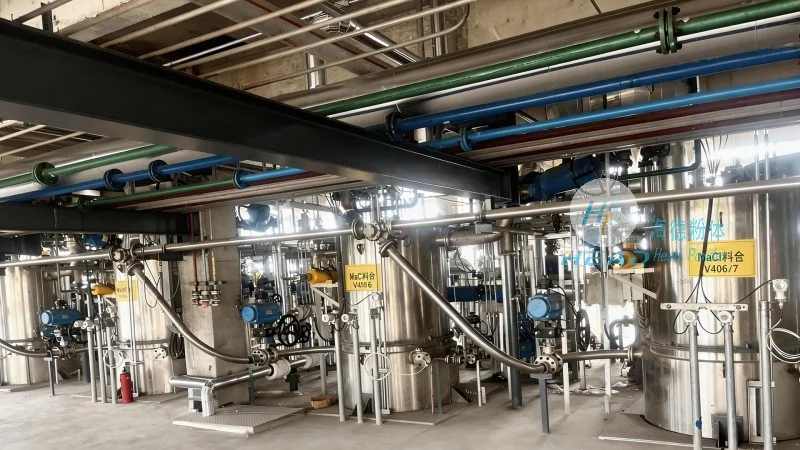
Operation Process of the Pneumatic Conveying System
The operation of the graphite powder pneumatic conveying system follows a sequential process that ensures efficient and continuous material transport. Initially, the graphite powder is loaded into the material hopper. The feeder then regulates the flow of powder into the pipeline, maintaining a steady supply. Simultaneously, the blower or air compressor starts, generating a high-pressure air stream. This air stream, combined with the powder, forms a slurry that moves through the pipeline under the force of the air pressure. The pipeline network directs the slurry to the discharge unit, where the air and powder are separated. The air is typically filtered and recycled, while the graphite powder is collected in the receiving container. This process allows for the continuous and automated handling of graphite powder, minimizing manual intervention and reducing the risk of contamination.
Working Principle of the Pneumatic Conveying System
The working principle of the graphite powder pneumatic conveying system is based on the principles of fluid dynamics and particle transport. The system utilizes compressed air to create a flow that carries the graphite powder particles through the pipeline. The key is the balance between the air velocity and the particle size, density, and moisture content of the graphite powder. The air velocity must be sufficient to overcome the gravitational forces and the frictional resistance within the pipeline, ensuring that the powder remains suspended and moves efficiently. The system operates under either positive pressure (where the air pressure is higher than the ambient) or negative pressure (where the pipeline is under vacuum), depending on the specific application and the distance of material transport. The positive pressure system is commonly used for short to medium distances, while the negative pressure system is suitable for longer distances or when the material needs to be transported from a higher elevation to a lower one.
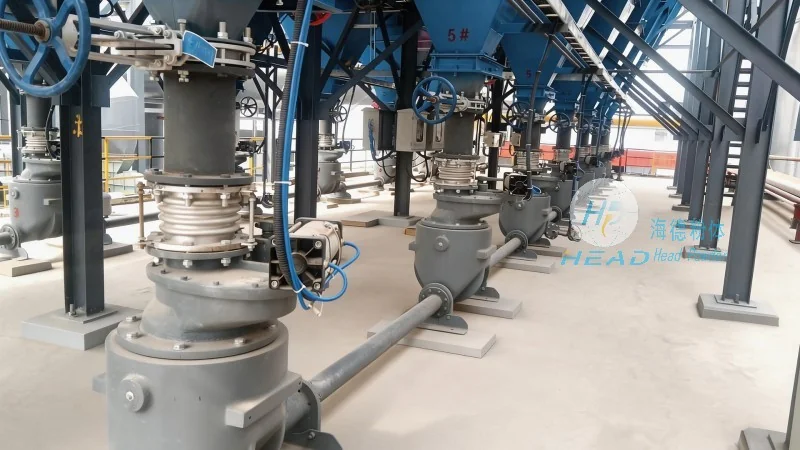
Advantages and Applications
The graphite powder pneumatic conveying system offers several advantages over traditional material handling methods, such as belt conveyors or manual handling. These advantages include reduced labor costs, minimized material loss and contamination, and improved safety by eliminating the need for manual handling of powders. The system is particularly suitable for applications where graphite powder needs to be transported over long distances, through complex layouts, or in environments where dust control is critical. Industries that benefit from this technology include the manufacturing of graphite electrodes, lubricants, and other graphite-based products, as well as in the production of batteries and other electronic components. The system's flexibility and adaptability make it a preferred choice for companies seeking efficient and reliable material handling solutions.




