For industrial applications involving polyethylene powder, efficient and reliable handling is crucial. Polyethylene, a widely used thermoplastic, often requires specialized equipment to ensure safe and effective transportation from storage to processing units. This article delves into the operation process and working principles of polyethylene powder handling equipment, highlighting the key components and mechanisms that enable smooth material flow.
Company Overview: Shandong HeadPowder Engineering Co., Ltd.
HeadPowder, a leading manufacturer in the field, specializes in the design and production of advanced powder handling systems. With a strong commitment to quality and innovation, the company has established itself as a trusted partner for industries relying on polyethylene processing. HeadPowder’s expertise lies in creating customized solutions that meet the unique demands of each client, ensuring optimal performance and durability.
Key Components of Polyethylene Powder Handling Equipment
The operation of polyethylene powder handling equipment involves several critical components that work in tandem to facilitate material movement. These include feeders, conveyors, storage silos, and control systems. Each component plays a vital role in maintaining the integrity of the polyethylene powder and ensuring consistent flow rates.
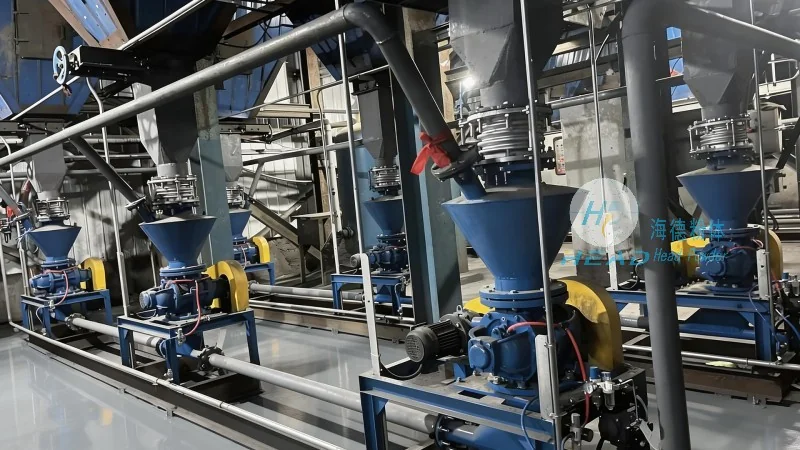
Feeders are responsible for controlling the discharge rate of polyethylene powder from storage containers. They can be designed as rotary, vibratory, or screw feeders, depending on the specific requirements of the application. The feeder’s design ensures that the powder is discharged uniformly, preventing clogging and maintaining a steady flow to the conveyor system.
Conveyors, such as pneumatic or mechanical systems, transport the polyethylene powder from the feeder to the processing unit. Pneumatic conveyors use air pressure to move the powder through a pipeline, while mechanical conveyors rely on belts or buckets to transport the material. The choice of conveyor type depends on factors like material characteristics, distance, and environmental conditions.
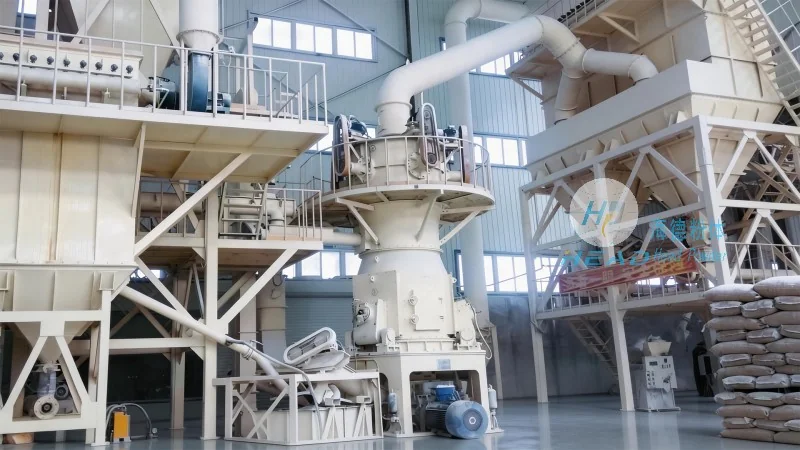
Storage silos are used to store large quantities of polyethylene powder, providing a stable and controlled environment. These silos are typically equipped with aeration systems to prevent moisture buildup and maintain the powder’s quality. The silos are designed with a conical bottom to facilitate easy discharge, ensuring that the powder can be accessed as needed.
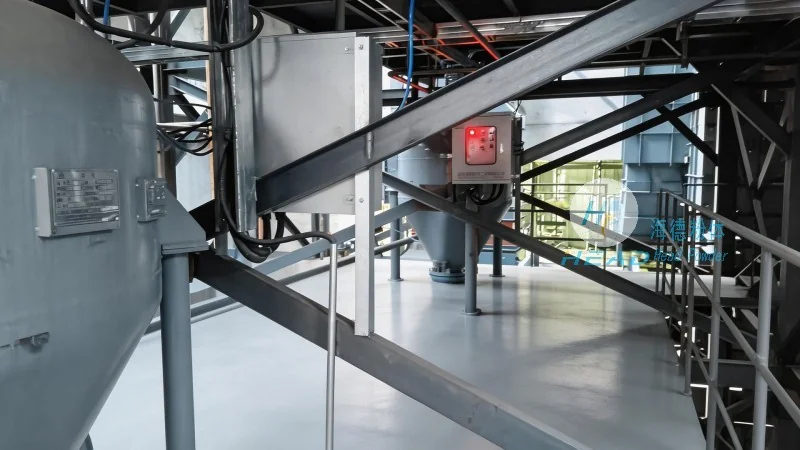
Control systems are integral to the operation of polyethylene powder handling equipment. These systems monitor various parameters, including flow rate, pressure, and temperature, to ensure optimal performance. Advanced control systems can also adjust the operation of feeders and conveyors in real-time, responding to changes in demand or material conditions.
Operation Process of Polyethylene Powder Handling Equipment
The operation process of polyethylene powder handling equipment begins with the loading of polyethylene powder into the storage silo. The powder is then discharged from the silo into the feeder, where the discharge rate is controlled based on the processing requirements. The feeder then feeds the powder into the conveyor system, which transports it to the processing unit.
During the transportation process, the polyethylene powder may undergo some processing, such as mixing or blending, before reaching the final destination. The control system continuously monitors the entire process, ensuring that the flow rate and pressure remain within the desired range. Any deviations are immediately detected and corrected to maintain the stability of the operation.
The entire process is designed to be efficient and safe. The equipment is equipped with safety features, such as dust suppression systems and emergency stop buttons, to prevent accidents and protect personnel. The materials used in the construction of the equipment are also chosen to be compatible with polyethylene powder, ensuring that the powder does not degrade or react with the equipment.
Working Principle of Polyethylene Powder Handling Equipment
The working principle of polyethylene powder handling equipment is based on the principles of fluidization and pneumatic transport. Fluidization involves creating a uniform flow of air through the powder bed, which allows the powder to behave like a fluid. This enables the powder to be transported through the equipment without clogging or segregation.
Pneumatic transport uses compressed air to move the polyethylene powder through a pipeline. The air pressure creates a pressure differential that drives the powder forward. The velocity of the air is carefully controlled to ensure that the powder particles are carried without damage or degradation. The equipment is designed to minimize pressure loss and maximize efficiency, ensuring that the powder is transported over long distances with minimal energy consumption.
The control system plays a crucial role in maintaining the stability of the working principle. It adjusts the air pressure and flow rate based on the material characteristics and the demand from the processing unit. This ensures that the powder is transported at the optimal velocity, preventing excessive wear on the equipment and maintaining the quality of the powder.
Benefits of Using Polyethylene Powder Handling Equipment
Implementing polyethylene powder handling equipment offers several benefits for industrial operations. Firstly, it improves the efficiency of material handling, reducing the time and labor required to transport the powder. This leads to increased productivity and lower operational costs. Secondly, the equipment ensures the quality of the polyethylene powder by maintaining consistent flow rates and preventing contamination.
Thirdly, the equipment enhances safety in the workplace. By automating the powder handling process, the risk of accidents caused by manual handling is significantly reduced. The dust suppression systems and safety features also protect personnel from exposure to dust and other hazards. Finally, the equipment is designed for durability and long-term use, providing a reliable solution for industries that rely on polyethylene processing.




