Small stone powder conveying equipment is a critical industrial solution for efficiently transporting fine powders and granular materials across various applications. These systems are essential in sectors like construction, mining, and chemical processing, where consistent and reliable material handling is paramount. The equipment is designed to optimize production lines by ensuring smooth, low-maintenance operation, reducing material loss, and enhancing overall operational efficiency. With advancements in engineering, modern conveying systems have evolved to meet stringent industry standards, offering improved durability, adaptability, and performance tailored to diverse operational requirements.
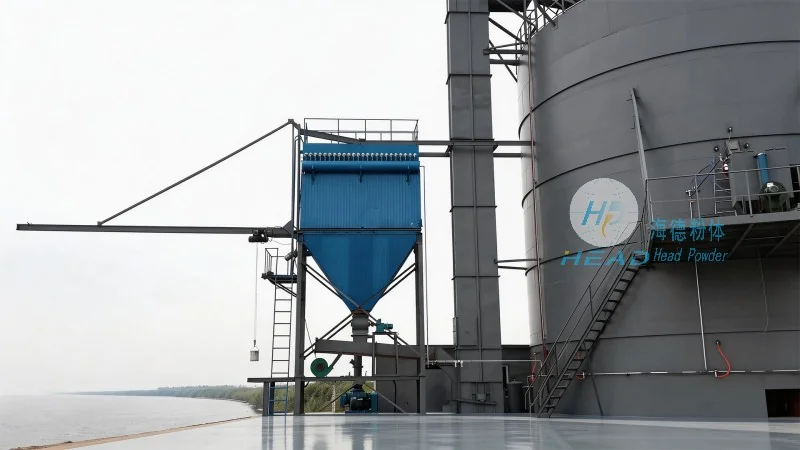
Key Components and Their Functions
The small stone powder conveying system comprises several integral components that work in concert to facilitate material transport. The primary component is the hopper, which serves as the initial storage and feeding unit, ensuring a steady supply of material to the conveyor. Made from robust materials like stainless steel or high-density polymers, the hopper is engineered to withstand the abrasive nature of small stone powders, preventing wear and maintaining structural integrity. The feeding mechanism, typically a screw or vibratory feeder, regulates the flow rate by adjusting speed or amplitude, controlling the material input to the conveyor. The conveyor itself—either a belt or screw type—transports the material from the hopper to the discharge point. The drive mechanism, consisting of a motor and gearbox, provides the necessary power to move the material along the conveyor path. The control panel allows operators to monitor and adjust system parameters, while safety features such as emergency stop buttons and overload protection ensure safe and reliable operation. Each component is meticulously designed to handle the specific characteristics of small stone powders, including particle size, density, and moisture content, ensuring long-term durability and minimal maintenance.
Operation Process: Step-by-Step Overview
The operation of small stone powder conveying equipment follows a systematic process that ensures continuous and efficient material transport. The process begins with material loading into the hopper, where the small stone powders are stored until needed. The feeding mechanism then regulates the flow rate, feeding the material into the conveyor at a consistent pace. The conveyor transports the material along its path, which may include horizontal, vertical, or inclined sections, depending on the production line layout. For vertical transport, the conveyor may use a screw or a steeply inclined belt, leveraging gravity to assist in material movement. At the discharge point, the material is released into a collection bin or directly to the next processing stage. The control panel monitors real-time data, including speed, pressure, and material levels, allowing operators to adjust parameters as needed to optimize performance. Sensors are integrated to detect blockages or overloads, triggering alarms or safety measures to prevent equipment damage or operator injury. This integrated approach ensures the conveying process is reliable, with minimal downtime and maximum productivity.
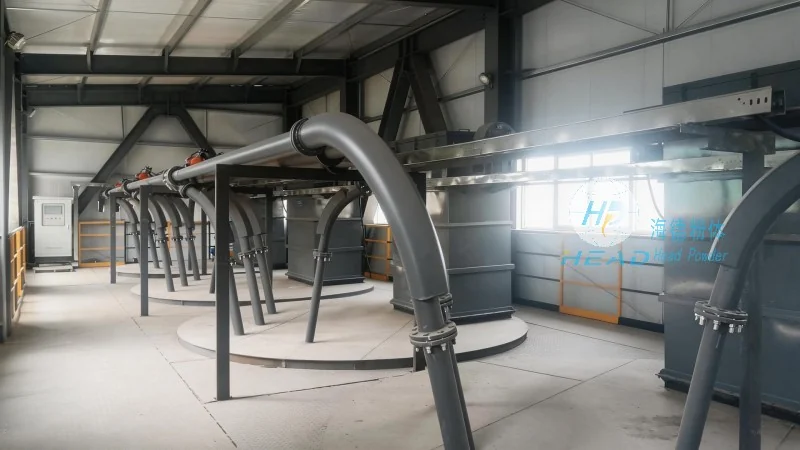
Working Principle: Mechanical and Energy Transfer
The working principle of small stone powder conveying equipment is centered on mechanical energy transfer and material movement. In belt conveyors, the material is placed on the moving belt, and friction between the belt and the material propels it forward. The speed of the belt is controlled by the drive motor, adjusting the flow rate based on system requirements. Screw conveyors utilize a rotating screw, similar to an auger, which pushes the material forward, creating a pressure gradient that propels it along the conveyor. Both systems rely on the principle of gravity and mechanical force, with the conveyor's design tailored to handle the specific properties of small stone powders. The system incorporates materials like stainless steel or high-density polymers for the conveyor components, resisting wear and corrosion from abrasive powders. Airlocks or seals may be included to prevent dust emissions and maintain a controlled environment, ensuring compliance with environmental regulations and workplace safety standards. This mechanical approach ensures efficient, low-energy material transport, making the equipment a cost-effective solution for long-term operation.
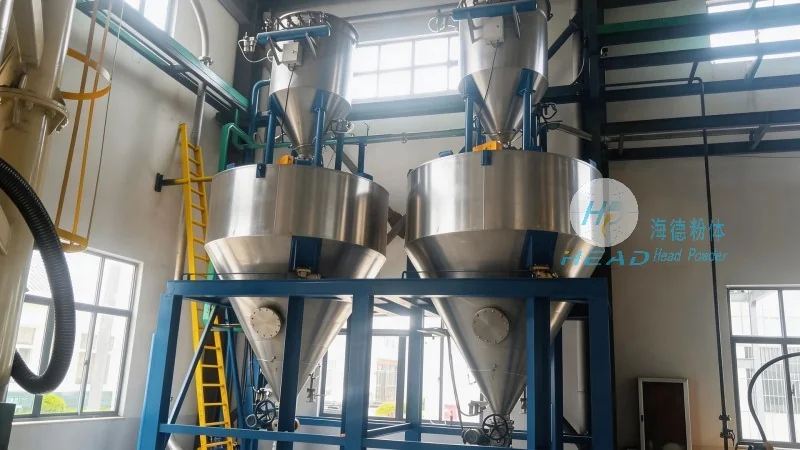
Advantages and Benefits
Small stone powder conveying equipment offers several key advantages that make it a preferred choice for industrial applications. One primary benefit is its high efficiency in material transport, reducing production downtime and increasing overall throughput. The system is designed to handle large volumes with minimal energy consumption, enhancing cost-effectiveness. Another advantage is its versatility, as it can be adapted to various production line configurations, including horizontal, vertical, or inclined setups, allowing manufacturers to optimize facilities according to specific needs. The equipment provides consistent material flow, critical for maintaining quality control in downstream processes. Additionally, the system is relatively low-maintenance, with modular components that can be easily replaced or repaired, reducing downtime and maintenance costs. Advanced control systems and sensors further enhance performance, enabling real-time monitoring and adjustment for optimal operation. Overall, the small stone powder conveying equipment is a reliable and efficient solution, contributing to improved productivity and operational excellence in industries such as construction, mining, and chemical processing.
Applications Across Industries
Small stone powder conveying equipment is widely utilized across diverse industries that require the transport of fine powders and granular materials. In the construction industry, these systems are essential for transporting cement, sand, and other building materials to different parts of a construction site, ensuring efficient material distribution and reducing manual labor. The mining industry relies on conveying equipment to transport ore and minerals from the mine to processing facilities, enhancing the efficiency of extraction and processing operations. The chemical industry uses these systems to transport powders like chemicals, fertilizers, and pharmaceuticals, maintaining consistent quality and preventing contamination. The food and beverage industry also employs conveying equipment to transport ingredients and finished products, ensuring hygiene and compliance with food safety regulations. Each industry benefits from the equipment's ability to handle diverse materials and maintain consistent flow, making it an indispensable component in modern production lines.




