Steel sand pneumatic conveying lines are advanced industrial equipment designed to transport steel sand and other bulk materials efficiently through an air-based system. These systems are widely used in various industries, including foundries, construction, and manufacturing, due to their ability to handle abrasive materials like steel sand with minimal wear and high efficiency.
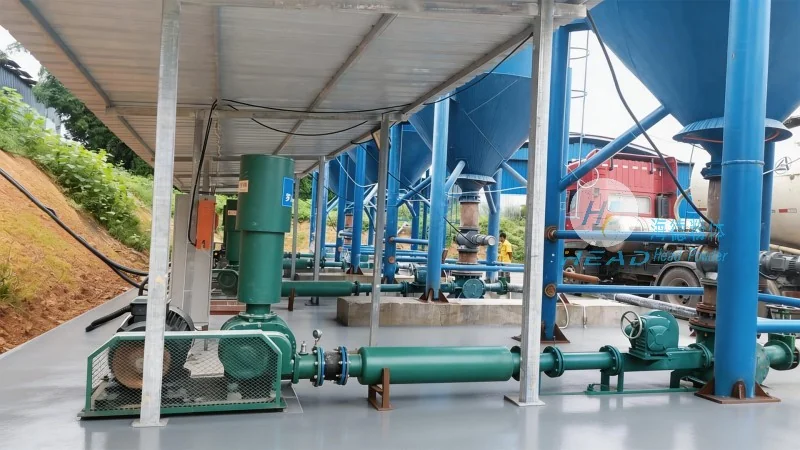
Overview of Steel Sand Pneumatic Conveying Systems
The core of a steel sand pneumatic conveying line is a network of pipes, valves, and a pneumatic transport mechanism. The system operates by using compressed air to move steel sand from a storage hopper or silo to the processing area, such as a molding machine or a mixing unit. This method eliminates the need for mechanical conveyors, reducing maintenance costs and minimizing material degradation.
Key Components and Their Functions
The main components of a steel sand pneumatic conveying system include the material hopper, air compressor, conveying pipes, control valves, and a receiver or discharge point. The material hopper stores the steel sand, ensuring a consistent feed rate. The air compressor generates the necessary pressure to move the material through the pipes. Control valves regulate the air flow and material discharge, allowing for precise control over the conveying process. The conveying pipes are typically made of durable materials like stainless steel or high-density polyethylene to withstand the abrasive nature of steel sand.
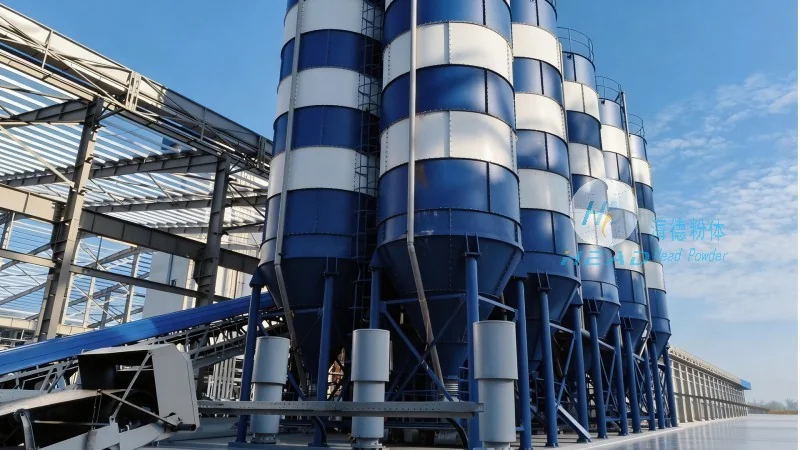
Operation Process of Steel Sand Pneumatic Conveying
The operation process of a steel sand pneumatic conveying line involves sequential steps. First, the steel sand is loaded into the material hopper. Then, the air compressor is activated, and compressed air is introduced into the conveying pipes. As the air flows through the pipes, it creates a low-pressure zone that draws the steel sand into the system. The mixture of steel sand and air travels through the pipes to the discharge point, where the air is separated from the material and either recirculated or vented. The steel sand is then collected in the receiver, ready for use in the next production step.
Working Principle of Pneumatic Conveying
The working principle of a steel sand pneumatic conveying system is based on fluidization and pneumatic transport. When compressed air is introduced into the conveying pipes, it creates a turbulent flow that suspends the steel sand particles in the air stream. This suspension allows the material to be transported through the pipes without direct contact with the pipe walls, reducing friction and wear. The system can operate in either positive or negative pressure modes. Positive pressure systems push the material through the pipes using compressed air, while negative pressure systems create a vacuum to draw the material from the hopper.
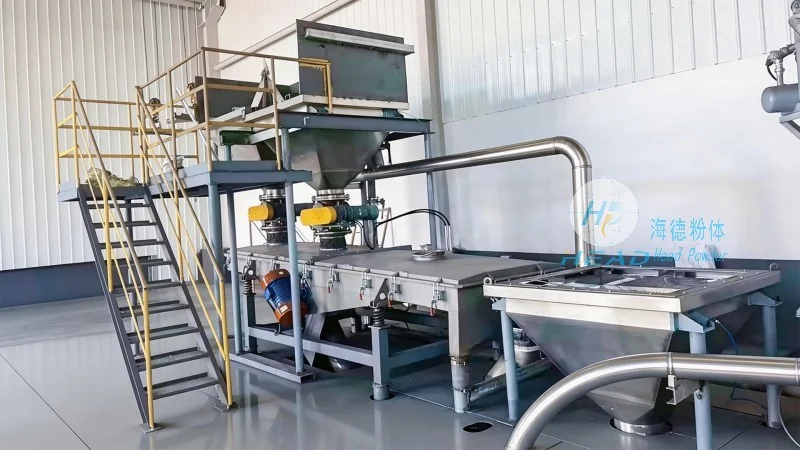
Advantages of Steel Sand Pneumatic Conveying Lines
Steel sand pneumatic conveying lines offer several advantages over traditional mechanical conveyors. These include reduced material degradation due to minimal handling, lower maintenance costs as there are fewer moving parts, and the ability to transport materials over long distances without intermediate storage. Additionally, the system can be easily integrated with other production equipment, such as molding machines, to create a seamless production line. The flexibility of pneumatic conveying allows for easy adjustment of the conveying rate by controlling air pressure and flow.
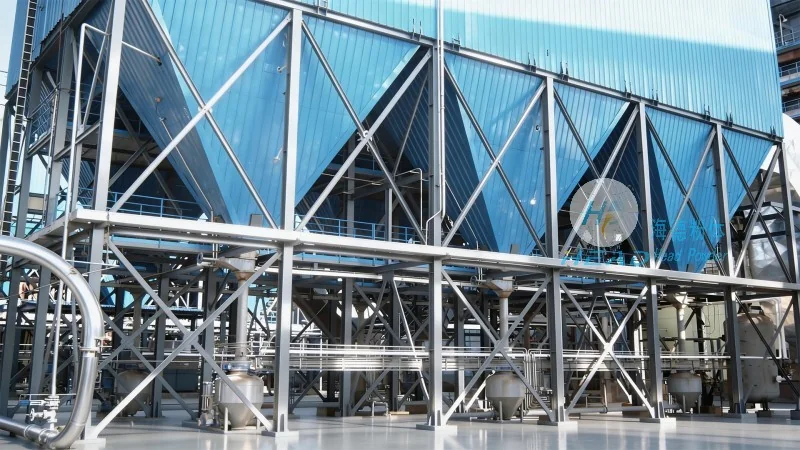
Applications in Industrial Settings
Steel sand pneumatic conveying lines are commonly used in foundries for transporting sand in molding processes. They are also utilized in construction for moving sand and other bulk materials to construction sites. In manufacturing, these systems are used to transport abrasive materials like steel sand to mixing and processing units. The efficiency and reliability of these systems make them essential in industries where material handling is critical to production continuity.
About Shandong HeadPowder Engineering Co., Ltd.
Shandong HeadPowder Engineering Co., Ltd., commonly known as headpowder, is a leading manufacturer of industrial conveying systems, including steel sand pneumatic conveying lines. The company is based in Shandong, China, and has a strong reputation for producing high-quality, durable equipment that meets the needs of various industrial applications. With years of experience in the industry, headpowder has developed advanced technologies and manufacturing processes to ensure the reliability and efficiency of their products. The company's commitment to quality and customer satisfaction has made them a trusted partner for businesses in need of reliable material handling solutions.




