Barley pneumatic conveying lines are sophisticated systems designed to efficiently transport barley grains from one location to another using air as the primary conveying medium. These systems are widely used in the agricultural and food processing industries due to their ability to handle bulk materials like barley with minimal manual intervention and reduced risk of contamination. The operation process of a typical barley pneumatic conveying line involves several key stages, each contributing to the overall efficiency and reliability of the system.
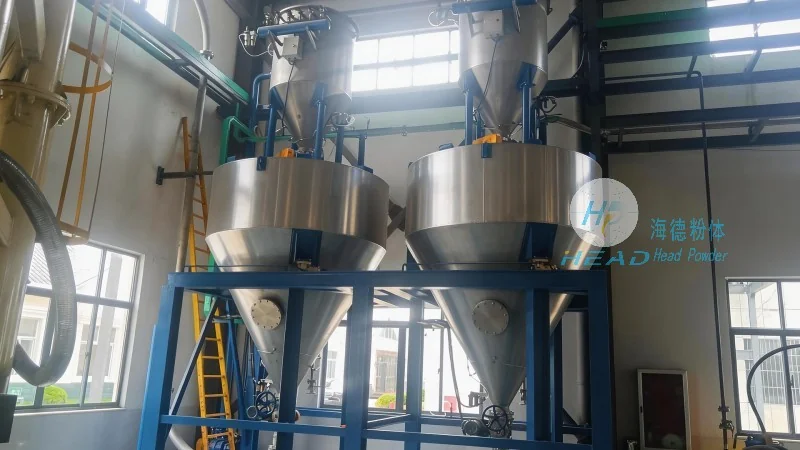
At the core of the system is the conveying pipeline, which is typically made of durable materials such as stainless steel or high-density polyethylene to withstand the abrasive nature of barley grains and the pressure of the conveying air. The pipeline is equipped with various components that facilitate the movement of barley, including inlet hoppers, airlocks, and expansion joints. The inlet hopper serves as the entry point for the barley, where it is fed into the system either manually or via an automated feeding mechanism. The airlock, often a rotary or sliding valve, regulates the flow of barley into the pipeline, preventing backflow and ensuring a consistent feed rate.
The blower or fan is another critical component that generates the air pressure necessary for conveying. This equipment can be either positive displacement or centrifugal, depending on the system's design and the required air volume. The blower draws air from the environment and compresses it to a pressure sufficient to move the barley through the pipeline. The air pressure is carefully controlled to maintain an optimal conveying velocity, which balances efficiency with energy consumption. As the barley enters the pipeline, it is suspended in the air stream and carried to the discharge point.
During the conveying process, the barley experiences a series of transitions, including acceleration, suspension, and deceleration. The acceleration phase occurs as the barley is introduced into the pipeline and the air velocity increases to a level that can lift the grains. The suspension phase is the most critical, where the barley remains fully suspended in the air stream, allowing it to travel smoothly without settling or clogging. The deceleration phase occurs as the air velocity decreases near the discharge point, causing the barley to settle out and be collected in the receiving hopper.
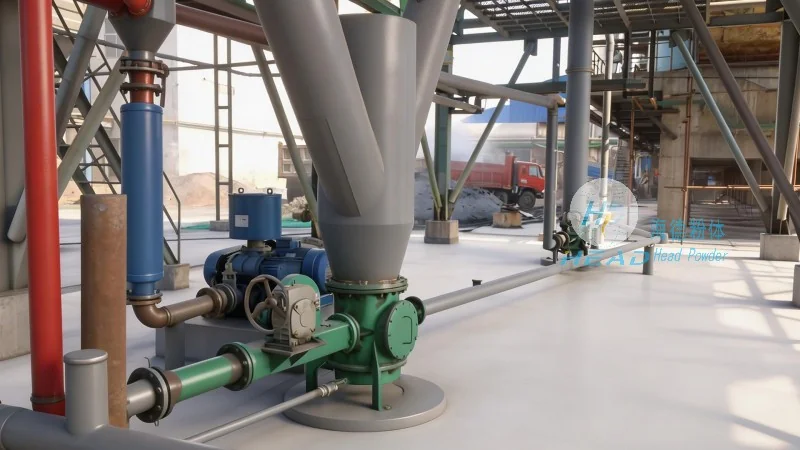
The discharge system at the end of the pipeline is designed to safely and efficiently release the barley from the conveying air. This may include a rotary valve, a cyclone separator, or a combination of both. The cyclone separator uses centrifugal force to separate the barley from the air, collecting the grains in a hopper while allowing the air to be recirculated or exhausted. The rotary valve then controls the flow of the barley into the final storage or processing area, ensuring a controlled discharge rate.
Throughout the operation, the system is monitored for performance and safety. Sensors are often installed to measure air pressure, flow rate, and temperature, providing real-time data to operators. This monitoring helps identify any issues such as blockages, pressure drops, or abnormal air flow, allowing for timely maintenance and adjustments. Regular maintenance, including cleaning the pipeline, inspecting components, and checking the blower's performance, is essential to ensure the longevity and efficiency of the barley pneumatic conveying line.
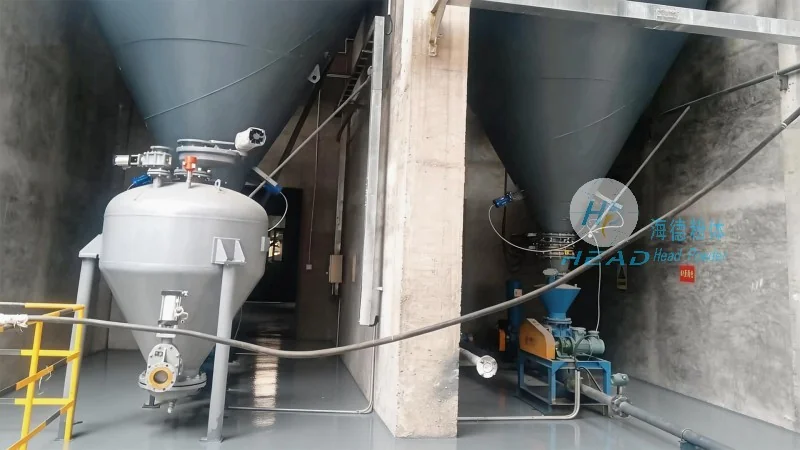
HeadPowder, a leading manufacturer of pneumatic conveying systems, specializes in designing and supplying customized barley pneumatic conveying lines tailored to the specific needs of agricultural and food processing facilities. With years of experience in the industry, HeadPowder's engineers work closely with clients to understand their operational requirements and provide solutions that optimize material handling efficiency while minimizing downtime and maintenance costs. The company's commitment to quality and innovation has made it a trusted partner for businesses seeking reliable and efficient barley conveying solutions.
Located in Shandong, China, HeadPowder Engineering Co., Ltd. leverages advanced manufacturing capabilities and rigorous quality control processes to produce high-performance barley pneumatic conveying lines. The company's facilities are equipped with state-of-the-art equipment and skilled technicians who ensure that each system meets the highest standards of performance and durability. By partnering with HeadPowder, clients can benefit from expert guidance and support throughout the entire project lifecycle, from initial design and installation to ongoing maintenance and troubleshooting.
The barley pneumatic conveying line is a testament to modern engineering's ability to enhance agricultural and food processing operations. By utilizing air as a conveying medium, these systems offer significant advantages over traditional methods such as bucket elevators or belt conveyors, including reduced labor costs, improved hygiene, and the ability to handle a wide range of bulk materials. As the demand for efficient and reliable material handling solutions continues to grow, barley pneumatic conveying lines remain a vital component of the industry, ensuring that barley is transported safely and efficiently from the field to the processing facility.




