Pharmaceutical powder handling is a critical aspect of the pharmaceutical manufacturing process, ensuring the safe, efficient, and controlled movement of powders from one stage to another. This article explores the operation process and working principles of pharmaceutical powder handling systems, highlighting the key components and methodologies employed by industry leaders such as Shandong HeadPowder Engineering Co., Ltd., commonly known as headpowder, based in China.
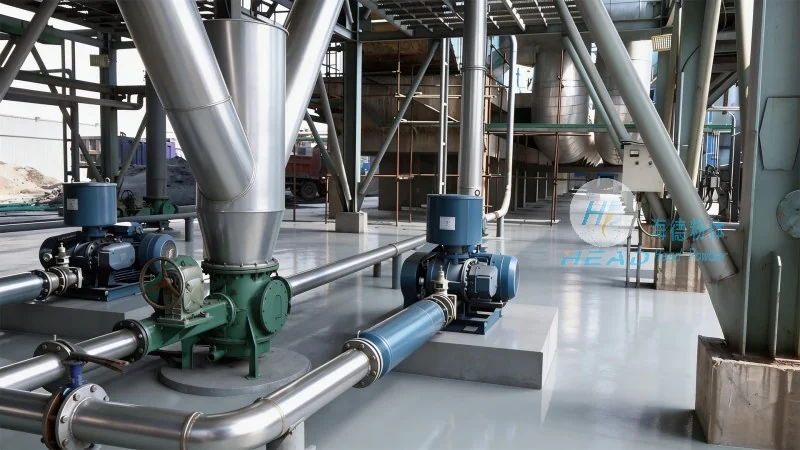
Company Overview: Shandong HeadPowder Engineering Co., Ltd.
Headpowder, a prominent player in the pharmaceutical engineering sector, specializes in the design, manufacturing, and implementation of advanced powder handling solutions. With a strong presence in China, the company leverages decades of expertise to deliver tailored systems that meet the stringent regulatory and operational requirements of the pharmaceutical industry. The company’s headquarters and operational base are located in Shandong, China, providing a strategic advantage in serving global clients while adhering to local manufacturing standards.
The Operation Process of Pharmaceutical Powder Handling
The operation process of pharmaceutical powder handling typically involves several sequential steps, each designed to ensure the integrity and safety of the powder. The first stage often involves the reception and storage of raw materials, where powders are received from suppliers and stored in appropriate containers to prevent contamination and degradation. This initial step is crucial for maintaining the quality of the raw materials before they enter the processing phase.
Following reception, the powder undergoes a series of preparation steps, including blending, mixing, and sieving. Blending ensures that different components are uniformly mixed to achieve the desired formulation, while sieving removes any oversized particles or contaminants that could affect the final product's quality. These processes are conducted in controlled environments, often under cleanroom conditions, to minimize the risk of cross-contamination and ensure compliance with Good Manufacturing Practices (GMP).
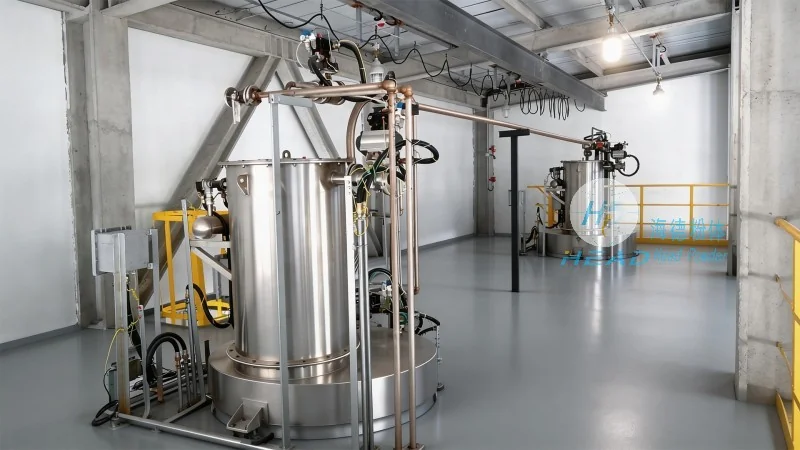
The next phase involves the transfer of the prepared powder from storage or processing units to the point of use. This transfer is typically achieved through various methods, including pneumatic conveying (air-assisted transport), mechanical conveying (such as screw conveyors or belt conveyors), or manual handling in controlled environments. Pneumatic conveying, for instance, uses compressed air to move powders through a network of pipes, offering advantages like low maintenance and the ability to handle fine powders without particle degradation. Mechanical conveyors, on the other hand, provide a more direct and visible transfer of powders, making them suitable for bulk handling applications.
Working Principles of Pharmaceutical Powder Handling Systems
The working principles of pharmaceutical powder handling systems are centered around the efficient and safe movement of powders while maintaining their quality and integrity. One of the primary principles is the use of controlled environments, such as cleanrooms, to minimize the introduction of contaminants. These environments are designed to limit particulate matter, microbial load, and other potential contaminants, ensuring that the powder remains free from impurities throughout the handling process.
A key aspect of the working principle is the integration of sensors and monitoring systems to track the flow and condition of the powder. Real-time monitoring allows operators to detect any deviations or issues, such as blockages or changes in powder flow, and take corrective actions promptly. This proactive approach enhances process reliability and reduces the risk of product recalls or quality issues.
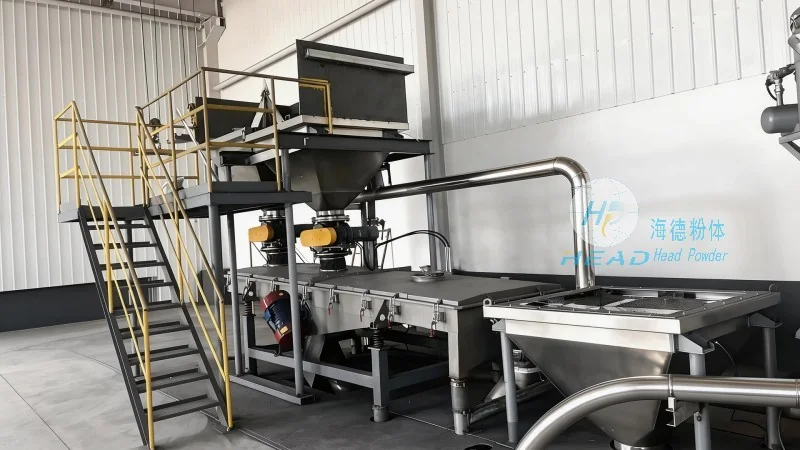
Another critical principle is the adherence to GMP and other regulatory standards. Pharmaceutical powder handling systems must be designed and operated in compliance with these standards to ensure that the final product meets the required quality and safety criteria. This includes features like easy cleaning, validation of processes, and documentation of all handling steps to provide traceability and accountability.
Key Components in Pharmaceutical Powder Handling
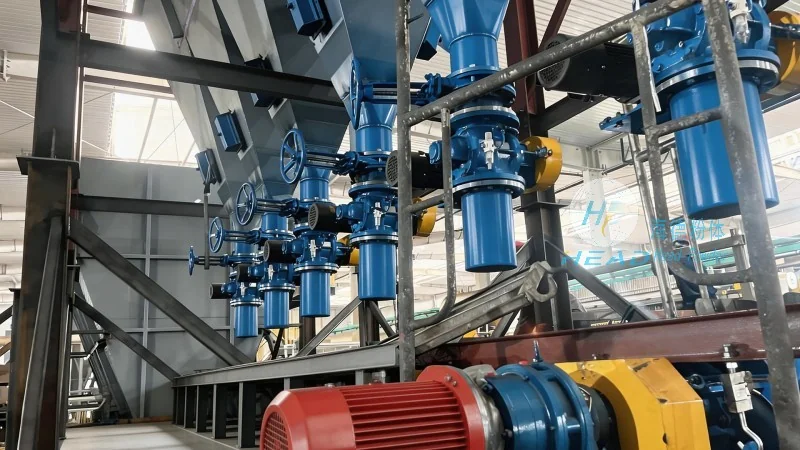
Several key components are integral to the operation of pharmaceutical powder handling systems. These include hoppers and feeders, which control the flow of powder from storage to processing units. Hoppers are designed to maintain a consistent powder level, while feeders regulate the rate of powder discharge, ensuring a steady and controlled flow. Conveying equipment, such as pneumatic ducts or mechanical conveyors, transport the powder to the next stage of the process. These components work in tandem to ensure smooth and efficient powder handling.
Valves and seals are also essential components, as they control the opening and closing of powder flow paths and prevent contamination from external sources. Properly designed valves and seals are critical for maintaining the integrity of the powder and preventing cross-contamination between different batches or materials. Additionally, dust collection systems are often integrated into the powder handling process to capture and remove airborne particles, ensuring a clean and safe working environment.
Applications and Benefits of Pharmaceutical Powder Handling
Pharmaceutical powder handling systems are used in a wide range of applications, including the manufacturing of tablets, capsules, powders, and other dosage forms. The benefits of these systems extend beyond efficient handling; they also contribute to product quality, regulatory compliance, and operational efficiency. By ensuring that powders are handled in a controlled environment, these systems help maintain the purity and consistency of the final product, reducing the risk of defects or recalls.
Furthermore, advanced powder handling solutions, such as those offered by headpowder, can enhance process flexibility and scalability. These systems can be customized to meet the specific needs of different pharmaceutical products, allowing manufacturers to adapt to changing production requirements and market demands. The use of automated and integrated systems also reduces labor costs and minimizes human error, leading to improved overall productivity.
Conclusion
In conclusion, the operation process and working principles of pharmaceutical powder handling are complex yet essential for the pharmaceutical industry. Companies like Shandong HeadPowder Engineering Co., Ltd. play a vital role in developing and implementing these systems, ensuring that powders are handled safely, efficiently, and in compliance with regulatory standards. By understanding the key components and methodologies involved in pharmaceutical powder handling, manufacturers can enhance product quality, reduce costs, and maintain a competitive edge in the global market.




