Clay sand powder conveying systems are critical components in various industrial applications, particularly in foundries and construction material processing. The efficient and reliable transport of clay sand, a key raw material in sand casting and other processes, is essential for maintaining production efficiency and quality. This article delves into the operation process and working principles of such systems, highlighting the technical aspects and operational dynamics involved.
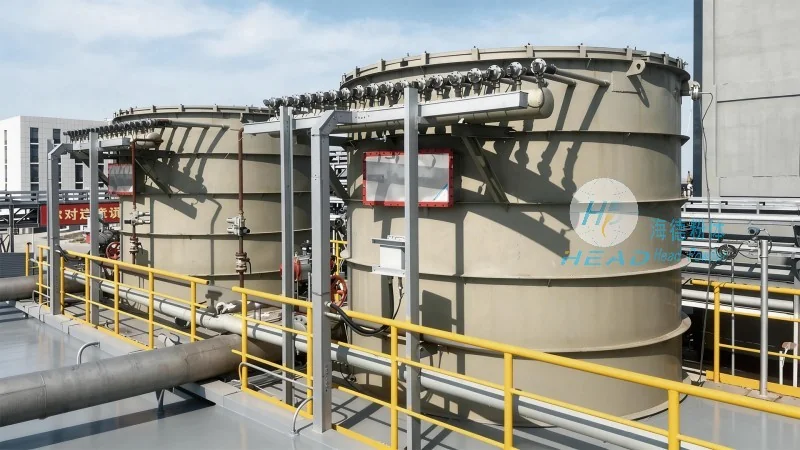
Overview of Clay Sand Powder Conveying Systems
Clay sand powder conveying systems are designed to handle fine, abrasive materials like clay sand, which require specialized equipment to ensure minimal wear and optimal material handling. These systems typically consist of several key components, including feeders, conveyors, and control mechanisms, all working in tandem to achieve consistent and controlled material transport. The primary goal is to move clay sand from storage silos or bulk containers to processing units, such as mixers or molding machines, with precision and minimal loss.
Key Components and Their Functions
The operation of clay sand powder conveying systems relies on a combination of mechanical and pneumatic components. The main components include:
- Feeders: These devices, often rotary or vibratory, are responsible for feeding clay sand from the storage hopper into the conveyor system. They ensure a steady and controlled flow of material, preventing overloading or underfeeding that could disrupt the conveying process.
- Conveyors: The core of the system, conveyors can be either mechanical (e.g., screw conveyors, belt conveyors) or pneumatic (e.g., air slides, pneumatic ducts). Mechanical conveyors use mechanical force to move the material, while pneumatic systems utilize air pressure to transport the powder. The choice of conveyor type depends on factors like material properties, distance, and environmental considerations.
- Control Systems: Advanced control systems, often integrated with sensors and automation technology, monitor and regulate the conveying process. These systems ensure consistent flow rates, detect blockages or overloads, and adjust parameters in real-time to maintain optimal performance.
Operation Process: Step-by-Step
The operation of a clay sand powder conveying system follows a systematic sequence of steps to ensure smooth material transport:
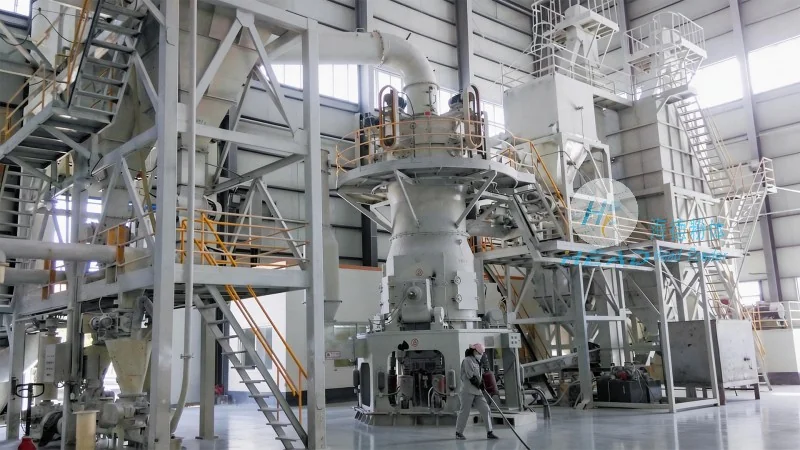
- Material Loading: Clay sand is loaded into the storage silo or hopper. The system's feeder then begins to draw material from the hopper, initiating the feeding process.
- Feeding and Conveying: The feeder delivers clay sand into the conveyor. Depending on the system design, the material is either pushed or pulled through the conveyor system. Mechanical conveyors use rotating screws or belts to move the material, while pneumatic systems use compressed air to create a flow of air and material through ducts.
- Transport to Processing Unit: The conveyed clay sand is directed to the processing unit, such as a sand mixer or molding machine. The control system ensures the material is delivered at the correct rate and volume, matching the requirements of the downstream process.
- Monitoring and Adjustment: Throughout the operation, sensors and control systems continuously monitor parameters like flow rate, pressure, and temperature. Any deviations are automatically adjusted to maintain stable operation and prevent issues like clogging or material degradation.
Working Principles: Mechanical vs. Pneumatic Conveying
The working principles of clay sand powder conveying systems vary based on the type of conveyor used. Understanding these principles is crucial for selecting the appropriate system for specific applications:
1. Mechanical Conveying
Mechanical conveyors rely on mechanical energy to move clay sand. The most common types include:
- Screw Conveyors: These use a rotating screw (helix) inside a tube to push material forward. Screw conveyors are ideal for horizontal or slightly inclined transport and can handle a wide range of materials, including abrasive clay sand. They provide consistent flow rates and are relatively simple to install and maintain.
- Belt Conveyors: Belt conveyors use a continuous belt to transport material. They are suitable for longer distances and can handle larger volumes of material. However, they may require more space and are less effective for fine powders due to potential material buildup on the belt.
2. Pneumatic Conveying
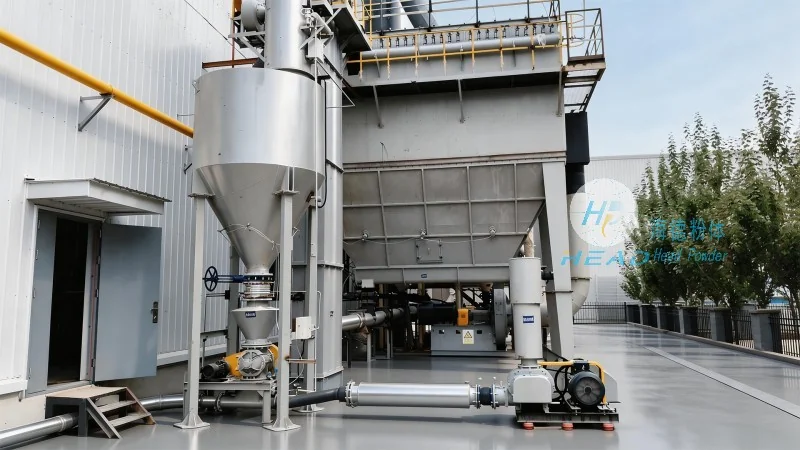
Pneumatic systems use compressed air to transport clay sand through a network of ducts. The working principle involves creating a flow of air that carries the powder particles. Key components include:
- Air Slide (Air-Lock): This device uses a combination of air and a sliding plate to move material. It is effective for short distances and can handle fine powders without clogging.
- Pneumatic Ducts: These are flexible or rigid ducts that transport material using air pressure. The system can be either positive or negative pressure, depending on the application. Positive pressure systems push material through the ducts, while negative pressure systems pull it.
Advantages and Considerations
Clay sand powder conveying systems offer several advantages, including high efficiency, minimal material degradation, and the ability to handle abrasive materials. However, there are also considerations to keep in mind:
- Material Compatibility: The choice of conveyor type and materials must be compatible with clay sand's abrasive nature to prevent wear and tear on components.
- System Maintenance: Regular maintenance is essential to ensure the system operates efficiently and to prevent downtime. This includes cleaning, lubrication, and inspection of components.
- Environmental Factors: Dust control is a critical consideration, as clay sand can generate significant dust during transport. Proper filtration and ventilation systems are necessary to maintain a safe working environment.
About Shandong HeadPowder Engineering Co., Ltd.
Shandong HeadPowder Engineering Co., Ltd., operating under the brand name headpowder, is a leading provider of industrial powder handling solutions. With a focus on innovation and quality, the company specializes in designing and manufacturing clay sand powder conveying systems tailored to the needs of various industries. HeadPowder's expertise in material handling technology ensures that their systems are reliable, efficient, and cost-effective, helping clients improve their production processes and maintain high standards of quality.
HeadPowder is committed to delivering solutions that meet the specific requirements of its clients, whether in foundries, construction material production, or other sectors where clay sand is a critical component. The company's dedication to customer satisfaction and technical excellence has made it a trusted partner in the industry.
Located in Shandong, China, HeadPowder leverages its local expertise and resources to provide comprehensive support to clients worldwide. The company's team of engineers and technicians work closely with clients to understand their unique challenges and develop customized solutions that enhance operational efficiency and productivity.




