HeadPowder, a leading engineering company based in Shandong, China, specializes in the design, manufacturing, and installation of advanced fly ash pneumatic conveying systems. These systems are crucial for efficient and safe transportation of fly ash, a byproduct of coal combustion, from power plants to disposal or utilization sites. The following article delves into the operation process and working principle of such systems, highlighting their technical aspects and practical applications.
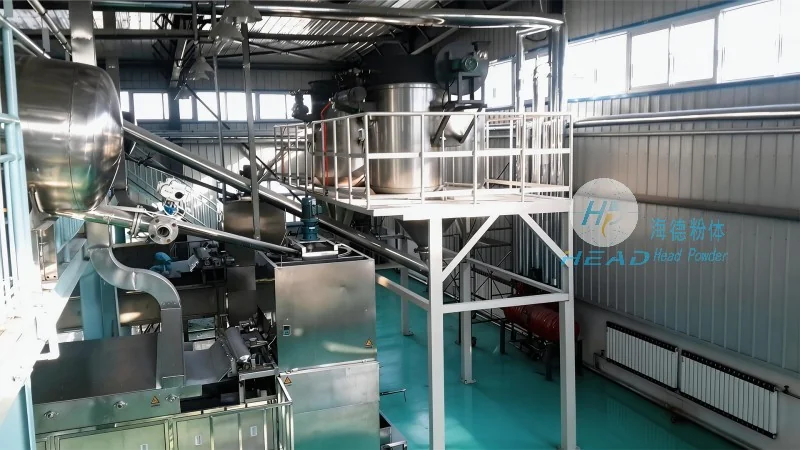
Key Components of a Fly Ash Pneumatic Conveying System
A typical fly ash pneumatic conveying line consists of several key components that work in tandem to ensure smooth and reliable operation. These components include the ash hopper, which stores the fly ash; the feeder, responsible for controlling the flow rate of the material; the air compressor or blower, which generates the necessary air pressure; the conveying pipeline, which transports the ash; and the discharge equipment, such as a silo or storage tank. Each component plays a vital role in maintaining the system's efficiency and preventing issues like blockages or pressure drops.
The Working Principle of Pneumatic Conveying
The core principle of pneumatic conveying is the use of air to transport solid materials. In a positive pressure system, the air compressor forces air into the pipeline, creating a high-pressure environment that lifts and moves the fly ash particles. The ash is suspended in the air stream and travels through the pipeline to the discharge point. This method is particularly effective for fly ash due to its fine particle size and low density, which allows it to be easily entrained by the air flow. The system can operate in either positive or negative pressure modes, depending on the specific requirements of the application.
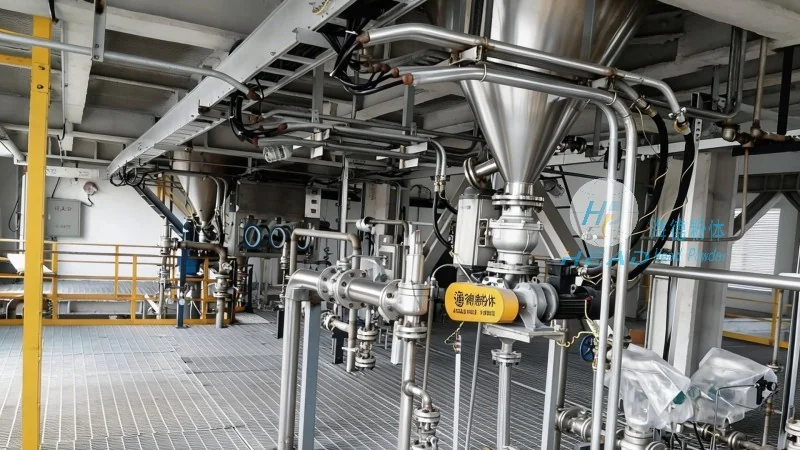
Operation Process of the Fly Ash Pneumatic Conveying Line
The operation process of a fly ash pneumatic conveying line involves several sequential steps that ensure the material is transported efficiently and safely. First, the fly ash is collected in the ash hopper and stored. The feeder then regulates the flow rate, ensuring a consistent supply of material to the system. The air compressor starts and generates the required air pressure, which is then introduced into the conveying pipeline. As the air flows through the pipeline, it picks up the fly ash particles and transports them to the discharge point. The discharge equipment then collects the ash and stores it in the designated location. The system continuously monitors pressure, flow rate, and other parameters to maintain optimal performance and prevent any malfunctions.
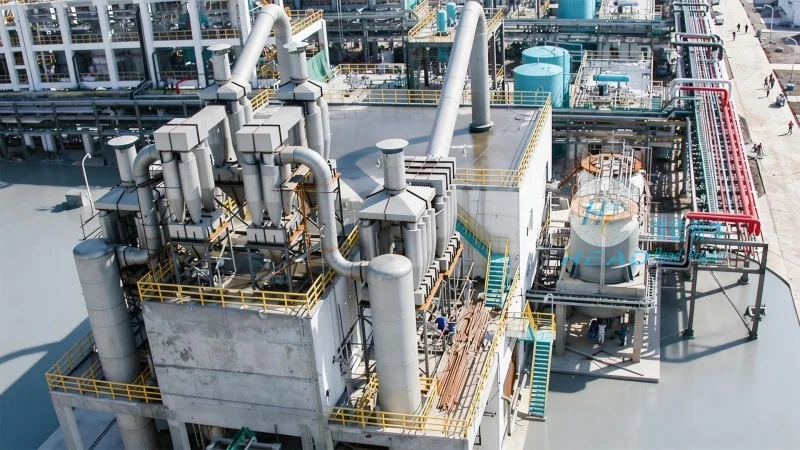
Advantages of Using Pneumatic Conveying for Fly Ash
There are several advantages to using a pneumatic conveying system for fly ash transportation. Firstly, it is a closed system, which helps to prevent dust emissions and maintain a clean working environment. This is particularly important in industrial settings where dust can be a health hazard or cause environmental issues. Secondly, the system is highly efficient, with minimal energy loss and low maintenance requirements. The closed pipeline also reduces the risk of material contamination, which is crucial for applications where the fly ash is intended for reuse or recycling. Additionally, the system can handle a wide range of ash particle sizes and moisture content, making it versatile for different power plant operations.
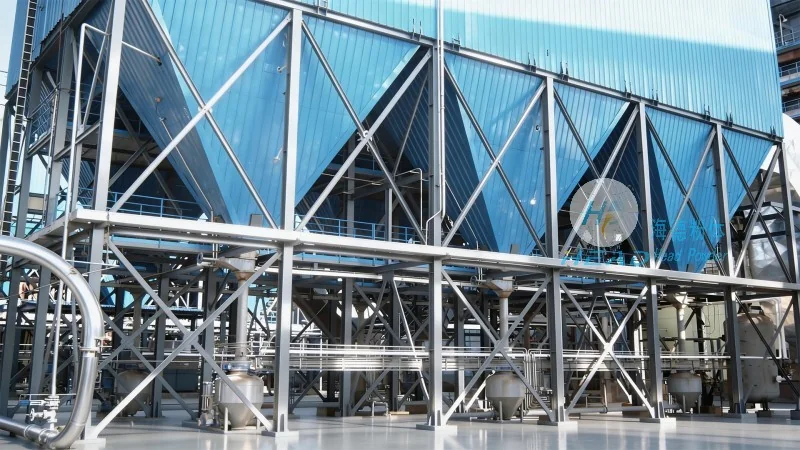
Applications and Industries
Fly ash pneumatic conveying lines are widely used in various industries, primarily in the power generation sector. They are commonly employed in thermal power plants, where fly ash is generated as a byproduct of coal combustion. The systems are also used in other industrial applications, such as cement production, where fly ash is used as a supplementary cementitious material. The versatility of these systems makes them suitable for a variety of applications, from small-scale installations to large industrial plants.
Conclusion
HeadPowder's fly ash pneumatic conveying lines offer a reliable and efficient solution for transporting fly ash from power plants to disposal or utilization sites. By understanding the operation process and working principle of these systems, users can ensure optimal performance and maintenance. The advantages of closed systems, efficiency, and versatility make pneumatic conveying an ideal choice for fly ash transportation, contributing to safer and more sustainable industrial operations.




