Shandong HeadPowder Engineering Co., Ltd., a leading enterprise in the field of powder handling technology, specializes in providing efficient solutions for the transportation of calcium carbide dust removal powders. This article delves into the operation process and working principle of the powder conveying system designed for such applications, highlighting the technical aspects and practical implementation of the system.
Introduction to Calcium Carbide Dust Removal and Powder Conveying
Calcium carbide (CaC₂) is widely used in industrial processes, such as the production of acetylene gas and other chemical compounds. During the manufacturing and processing of calcium carbide, dust and fine powders are generated, which require effective removal and transportation to ensure workplace safety and environmental compliance. The powder conveying system for calcium carbide dust removal is a critical component in industrial facilities, enabling the safe and efficient movement of these powders from the dust collection points to storage or processing units.
Key Components of the Powder Conveying System
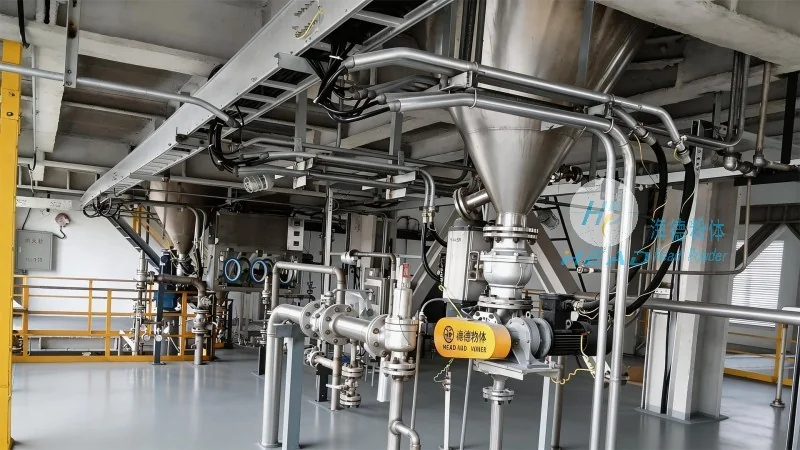
The powder conveying system for calcium carbide dust removal typically consists of several key components that work in tandem to ensure smooth operation. These components include dust collection hoppers, feeders, conveying equipment (such as screw conveyors, pneumatic conveyors, or mechanical conveyors), and control systems. Each component plays a vital role in the overall process, from the initial collection of dust to the final delivery of the material.
Operation Process of the Powder Conveying System
The operation process of the powder conveying system for calcium carbide dust removal involves a series of steps designed to handle the powders efficiently and safely. The process begins with the collection of dust and fine particles from the production line or processing equipment. The collected dust is then transferred to a dust collection hopper, where it is stored temporarily. From the hopper, the material is fed into the conveying equipment using a feeder, which regulates the flow rate to prevent overloading or underloading of the system.
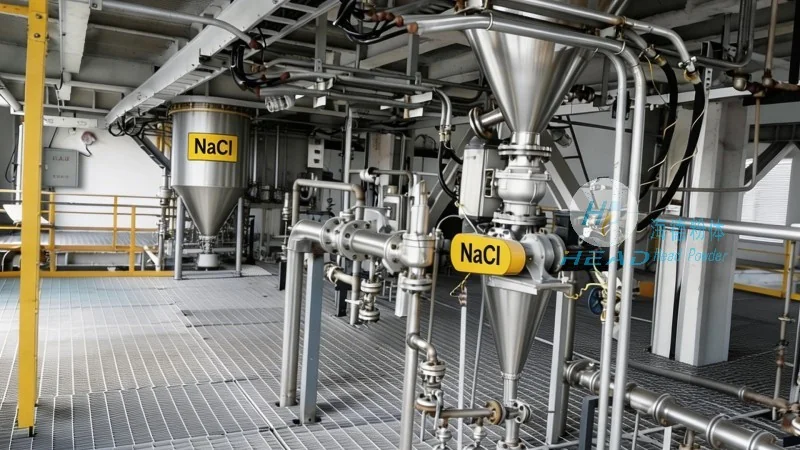
The conveying equipment then transports the calcium carbide dust to the desired destination, such as a storage silo or a processing unit. Depending on the system design, the conveying method may vary. For example, screw conveyors are commonly used for horizontal or slight inclined transport, while pneumatic conveyors are suitable for long-distance or vertical transport. The control system monitors the entire process, adjusting the speed of the feeder and the conveying equipment to maintain a consistent flow rate and prevent blockages or other issues.
Working Principle of the Powder Conveying System
The working principle of the powder conveying system for calcium carbide dust removal is based on the principles of fluidization and particle movement. In a typical system, the dust particles are suspended in a gas stream or moved by mechanical means. The key to efficient conveying is to maintain the particles in a fluidized state, which reduces friction and allows for smooth transport. The system also incorporates features to prevent dust accumulation and ensure the material flows consistently, such as air seals and anti-static measures.
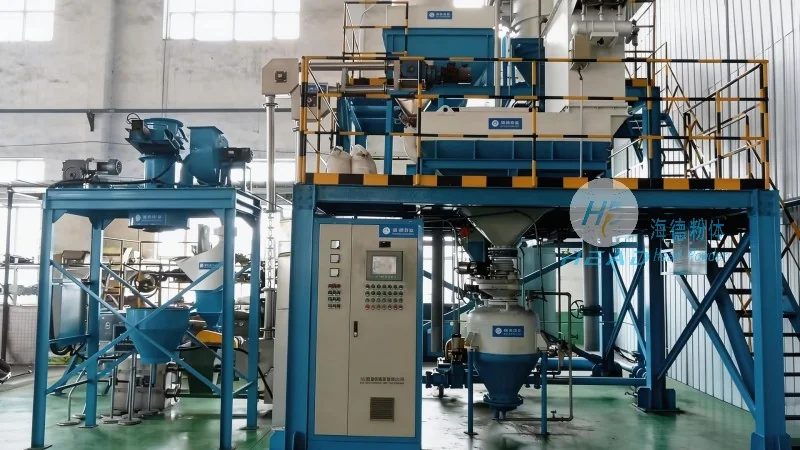
The control system plays a crucial role in maintaining the stability of the conveying process. It monitors parameters such as pressure, flow rate, and temperature, and adjusts the operation of the feeder and conveying equipment accordingly. This ensures that the system operates within optimal conditions, minimizing energy consumption and maximizing efficiency. Additionally, the system is designed with safety features to prevent dust explosions and other hazards, such as explosion-proof motors and proper ventilation.
Benefits and Applications of the Powder Conveying System
The powder conveying system for calcium carbide dust removal offers several benefits, including improved workplace safety, reduced environmental impact, and increased operational efficiency. By effectively removing and transporting dust, the system helps to prevent respiratory hazards and other health risks associated with calcium carbide dust exposure. Additionally, the system reduces the risk of dust accumulation, which can lead to fire or explosion hazards in industrial facilities.
Shandong HeadPowder Engineering Co., Ltd. has extensive experience in designing and implementing such powder conveying systems for various industrial applications. The company's expertise in powder handling technology ensures that the systems are tailored to meet the specific needs of each client, providing reliable and efficient solutions for calcium carbide dust removal and powder transportation.




