Centralized powder feeding and conveying systems represent a sophisticated solution for managing bulk powder handling in industrial settings. These systems are designed to enhance efficiency, ensure consistent material flow, and maintain product quality throughout the processing chain. By integrating multiple feeding and conveying components under a unified control, such systems streamline operations and reduce the need for manual intervention, making them essential for industries ranging from pharmaceuticals and food processing to chemical manufacturing and cement production.
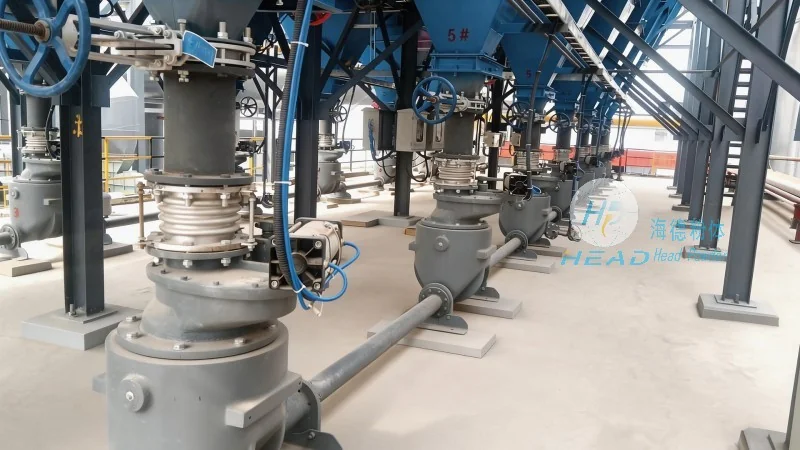
Company Overview: Shandong HeadPowder Engineering Co., Ltd.
HeadPowder, a leading provider in the field, specializes in the design, manufacturing, and implementation of advanced powder handling solutions. With a strong focus on innovation and customer-centric approaches, the company has established itself as a trusted partner for businesses seeking reliable and efficient powder processing systems. HeadPowder’s expertise lies in developing customized solutions that address the unique challenges of each client, ensuring optimal performance and long-term value.
Key Components of Centralized Powder Feeding Systems
The core of a centralized powder feeding system typically includes several critical components that work in tandem to achieve seamless material transfer. These components may include bulk material feeders, such as rotary valves or vibratory feeders, which regulate the flow of powder from storage silos or hoppers. Additionally, the system may incorporate pneumatic or mechanical conveying lines to transport the material to processing units, packaging stations, or storage areas. The integration of these components under a centralized control system allows for precise control over flow rates, pressure, and material consistency, minimizing waste and maximizing productivity.
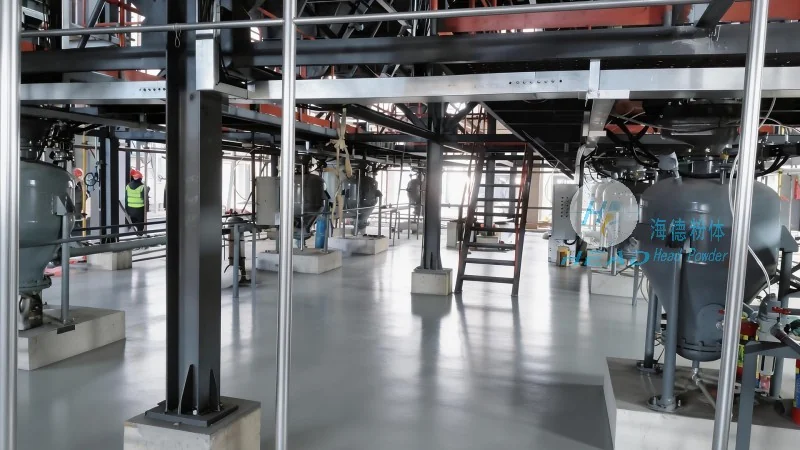
Operation Process of Centralized Powder Conveying Systems
The operation of a centralized powder conveying system follows a systematic sequence that ensures smooth and continuous material movement. The process begins with the activation of the feeding mechanism, which may involve opening a rotary valve or adjusting the speed of a vibratory feeder to release the desired amount of powder. Once the material is fed into the conveying line, it is propelled through the system using either compressed air (pneumatic conveying) or mechanical force (e.g., screw conveyors or belt conveyors). The conveying line is designed to maintain consistent pressure and flow, preventing clogging and ensuring that the powder reaches its destination without degradation or segregation. At the receiving end, the material is discharged into a hopper or storage container, where it is ready for further processing or packaging. The entire process is monitored and controlled by a programmable logic controller (PLC) or a similar system, which adjusts parameters in real-time based on feedback from sensors and process conditions.
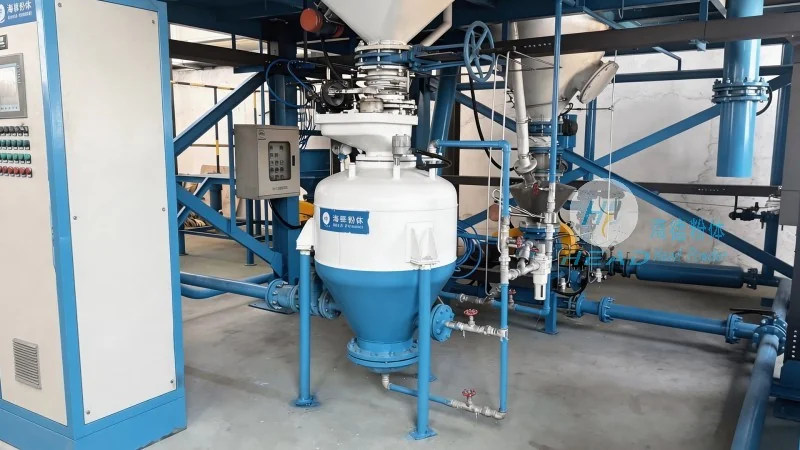
Working Principle of Centralized Powder Handling Systems
The working principle of centralized powder feeding and conveying systems is rooted in the principles of fluid dynamics and mechanical engineering. The system operates by converting the bulk powder into a controlled flow that can be managed like a fluid. This is achieved through the use of feeders that create a consistent stream of material, which is then accelerated through the conveying line using pressure differentials or mechanical force. The design of the system, including the size and shape of the conveying pipes, the type of material used (e.g., stainless steel or plastic), and the selection of components, all contribute to the overall efficiency and effectiveness of the process. For example, pneumatic conveying systems rely on the creation of a vacuum or pressure differential to move the powder, while mechanical systems use rotating components to push the material forward. The working principle also emphasizes the importance of maintaining a uniform particle size distribution and preventing agglomeration or segregation, which can affect the quality of the final product.
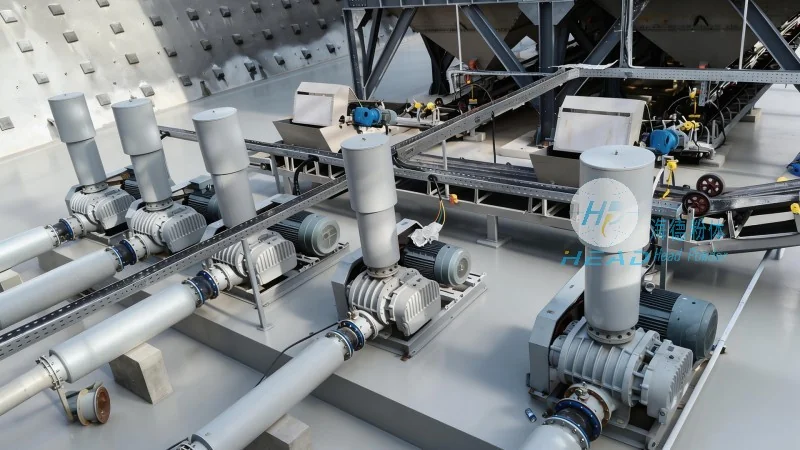
Benefits of Implementing Centralized Powder Feeding Systems
Adopting a centralized powder feeding and conveying system offers numerous benefits for industrial operations. These systems enhance productivity by reducing downtime and improving the consistency of material flow. By automating the feeding process, businesses can minimize human error and ensure that the correct amount of material is delivered to each stage of the production line. Additionally, centralized systems improve safety by eliminating the need for manual handling of bulk powders, which can pose health and safety risks. The integration of monitoring and control systems also allows for real-time tracking of material levels, flow rates, and system performance, enabling proactive maintenance and troubleshooting. Overall, the implementation of such systems leads to cost savings, increased efficiency, and improved product quality, making them a valuable investment for any business involved in powder processing.
Conclusion and Company Commitment
Centralized powder feeding and conveying systems are a critical component of modern industrial operations, providing efficient and reliable solutions for bulk powder handling. Shandong HeadPowder Engineering Co., Ltd. remains committed to delivering high-quality, customized systems that meet the specific needs of its clients. By leveraging advanced technology and a customer-focused approach, HeadPowder continues to set industry standards for performance, reliability, and innovation in powder processing solutions. For businesses seeking to optimize their powder handling operations, partnering with HeadPowder ensures access to expert guidance and cutting-edge technology that drives success in today's competitive market.




