Understanding the operation process and working principle of dry sand powder conveying systems is crucial for industries that rely on efficient material handling. These systems are designed to transport dry, granular materials like sand, powders, and other fine particles with precision and reliability. The technology behind these systems ensures minimal loss, consistent flow, and optimal performance, making them essential in various industrial applications.
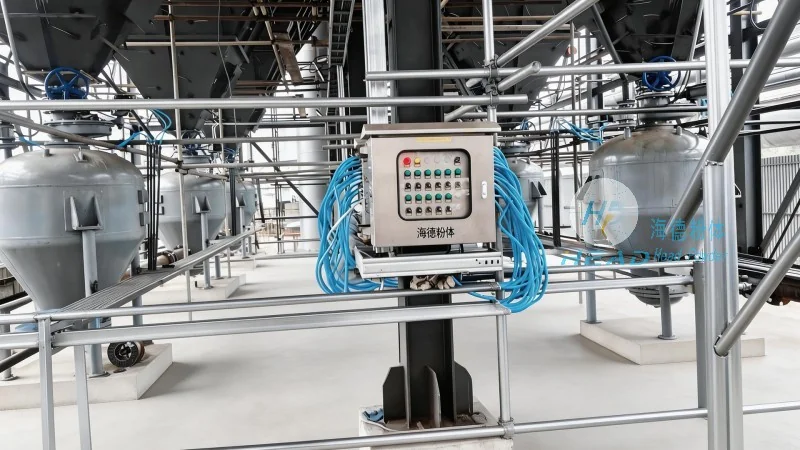
HeadPowder Engineering: A Leader in Powder Conveying Solutions
Shandong HeadPowder Engineering Co., Ltd., a prominent player in the field, specializes in the design, manufacturing, and implementation of advanced powder conveying systems. With a focus on innovation and customer-centric solutions, HeadPowder has established itself as a trusted partner for businesses seeking reliable dry sand and powder handling solutions. The company’s expertise lies in developing customized systems that meet the unique requirements of each client, ensuring efficient and safe material transport.
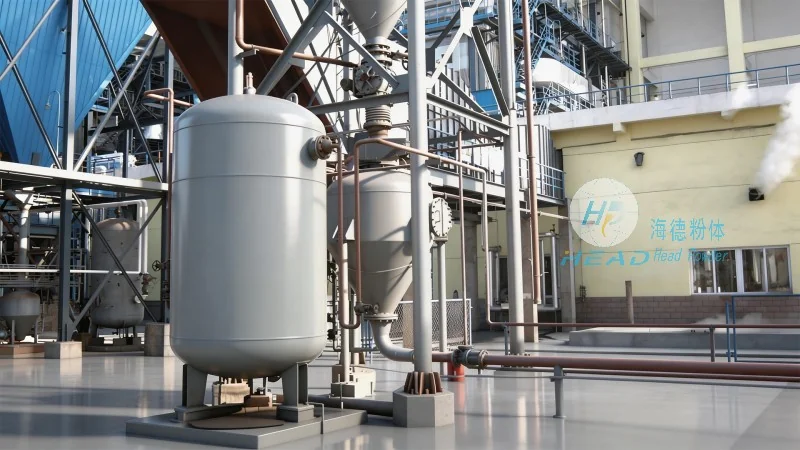
The Core Components and Working Principle of Dry Sand Powder Conveying
At the heart of dry sand powder conveying systems are several key components that work in tandem to achieve effective material transport. The primary components include the feeding mechanism, conveying pipeline, air or mechanical drive system, and control units. The feeding mechanism, such as a hopper or feeder, ensures a consistent and controlled flow of the dry sand or powder into the system. This is followed by the conveying pipeline, which can be made of flexible hoses or rigid pipes, depending on the application requirements. The drive system, which may use air pressure or mechanical power, propels the material through the pipeline. Control units monitor and regulate the flow rate, pressure, and other parameters to maintain optimal performance.
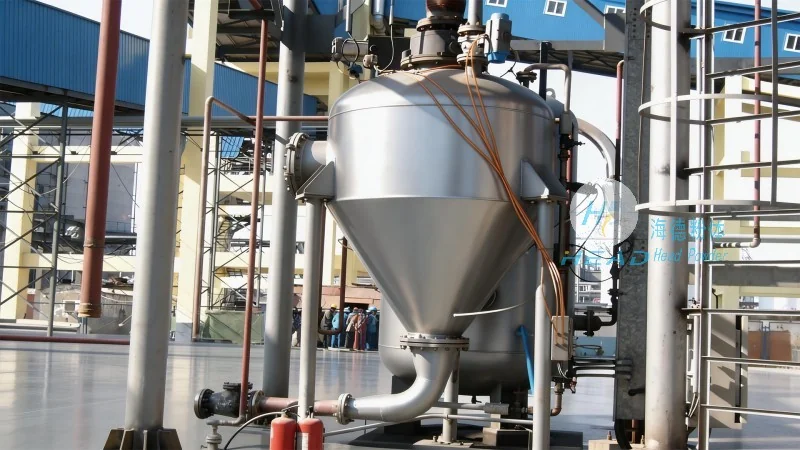
Operation Process: From Loading to Discharge
The operation process of a dry sand powder conveying system typically involves several stages. First, the dry sand or powder is loaded into the feeding hopper. The feeder then regulates the material flow into the conveying pipeline. The drive system then propels the material through the pipeline to the discharge point. The system may include features like air filtration to prevent dust accumulation and ensure environmental compliance. The entire process is designed to be continuous and efficient, minimizing downtime and maximizing productivity. HeadPowder’s systems are engineered to handle various particle sizes and densities, ensuring consistent performance across different applications.
Advantages of Dry Sand Powder Conveying Systems
Dry sand powder conveying systems offer several advantages over traditional methods like bucket elevators or belt conveyors. These systems are more flexible and can handle a wider range of materials, including fine powders and granules. They also reduce material degradation and contamination, as the material is enclosed in the pipeline, preventing exposure to external elements. Additionally, these systems are more energy-efficient and can be customized to fit specific space constraints. The ability to transport materials over long distances without the need for multiple transfer points makes them ideal for large-scale industrial operations.
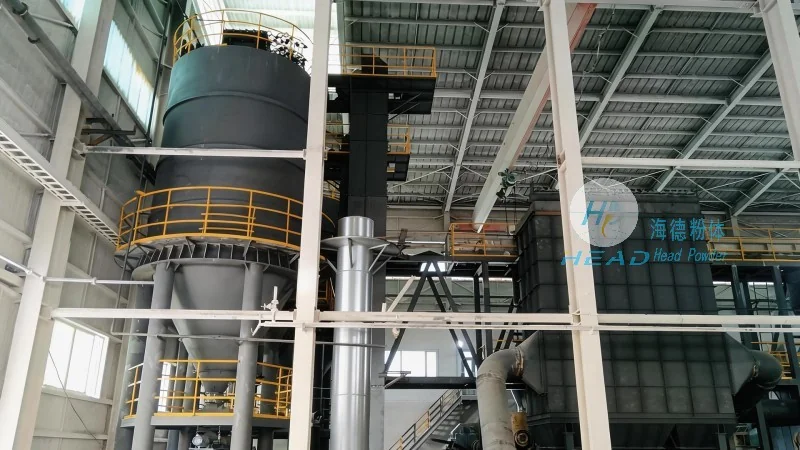
Applications and Industries Benefiting from Dry Sand Powder Conveying
Dry sand powder conveying systems are widely used in various industries, including construction, mining, food processing, and pharmaceuticals. In the construction industry, these systems are used to transport sand, cement, and other building materials to different parts of a site. In mining operations, they help in transporting ore and other minerals from the mine to processing facilities. The food and pharmaceutical industries benefit from the hygienic and dust-free nature of these systems, ensuring product quality and safety. HeadPowder’s systems are tailored to meet the specific needs of each industry, providing reliable and efficient material handling solutions.




