Colored sand powder conveying systems are critical components in industrial applications, particularly in the production and processing of colored sand materials. These systems ensure efficient and reliable transportation of colored sand powders from storage to processing or packaging units. The operation process and working principle of such systems involve several key stages and mechanisms designed to maintain consistent flow, minimize material loss, and ensure operational safety. Developed by Shandong HeadPowder Engineering Co., Ltd., a leading provider of specialized powder handling solutions in China, these systems are engineered to handle the unique properties of colored sand powders, such as their fine particle size and potential for dust generation, ensuring that the conveying process is both efficient and safe.
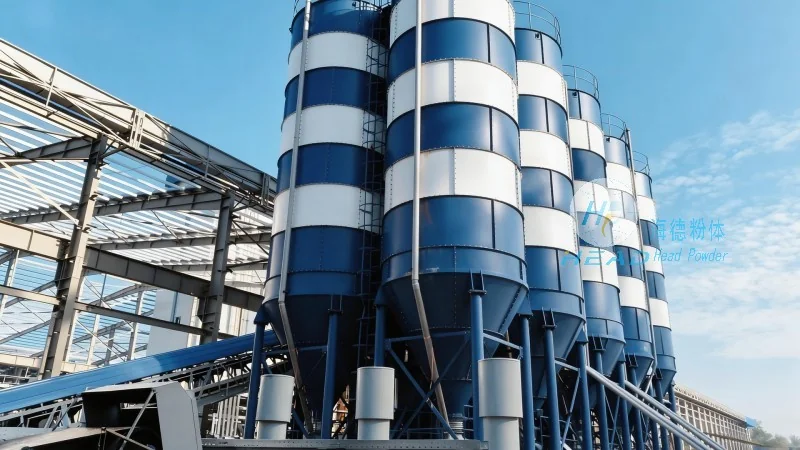
System Overview and Core Components
At the heart of a colored sand powder conveying system are several essential components that work in tandem to achieve effective material handling. These typically include a hopper for material storage, a feeder to control the flow rate, a conveyor or pneumatic transport system for moving the powder, and a control panel for monitoring and adjusting operations. The system is engineered to handle the unique properties of colored sand powders, such as their fine particle size and potential for dust generation, ensuring that the conveying process is both efficient and safe.
Preparation and Material Loading
The operation begins with the preparation of the colored sand powder, which may involve drying, screening, or blending to achieve the desired consistency and quality. The material is then loaded into the hopper, which is designed to accommodate the bulk volume of the colored sand. The hopper is equipped with a discharge valve or gate that allows controlled release of the powder into the feeder. This initial stage is crucial as it sets the foundation for the entire conveying process, ensuring that the material is properly prepared and ready for transport.
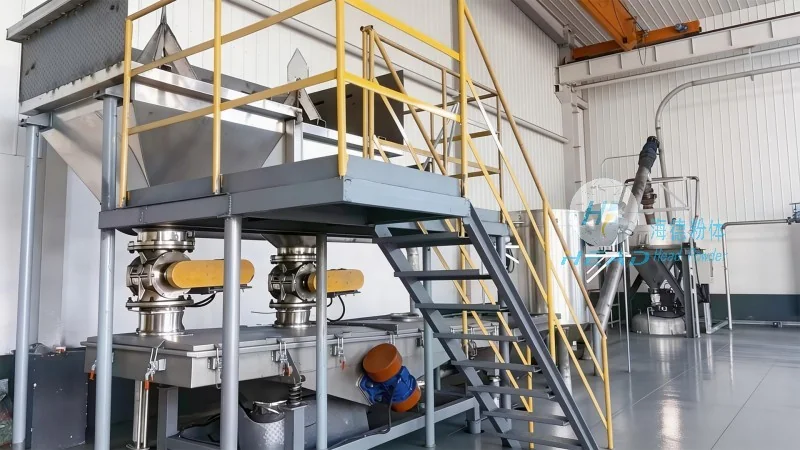
Feeding and Flow Control
Once the colored sand is in the hopper, the feeder takes over to regulate the flow rate. The feeder can be a screw feeder, a vibratory feeder, or a rotary valve, depending on the system design. Its primary function is to maintain a consistent and steady flow of powder into the conveying system, preventing overloading or underflow that could disrupt the process. The feeder is connected to the hopper via a transition section that minimizes material spillage and ensures smooth transfer. This step is vital for maintaining the integrity of the colored sand particles and preventing agglomeration or segregation.
Powder Conveying Mechanisms
There are two main types of conveying mechanisms used in colored sand powder systems: mechanical and pneumatic. Mechanical conveyors, such as belt conveyors or screw conveyors, use physical force to move the powder. These systems are suitable for materials that are not too fine or that require high pressure to prevent blockages. Pneumatic conveyors, on the other hand, use air pressure to transport the powder through a pipeline. This method is ideal for fine powders and can handle longer distances with less maintenance. The choice of mechanism depends on factors like material properties, conveying distance, and system cost. Both methods are designed to maintain the quality of the colored sand, avoiding any degradation or contamination during transport.
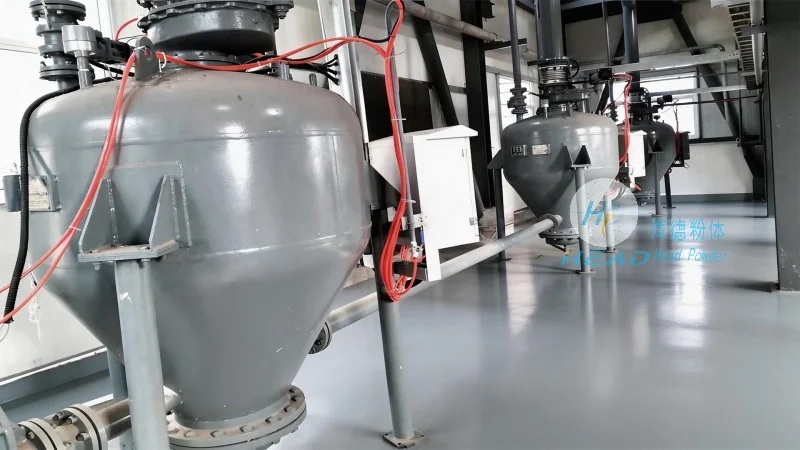
Control and Monitoring Systems
Modern colored sand powder conveying systems are equipped with advanced control and monitoring systems to ensure optimal performance. These systems include sensors to detect the level of material in the hopper and feeder, pressure sensors to monitor the conveying pressure, and flow meters to track the rate of material movement. The control panel allows operators to adjust parameters such as flow rate, pressure, and speed in real-time, ensuring that the system operates within safe and efficient parameters. Additionally, the system may include alarms and safety features to prevent overfilling, blockages, or other potential hazards. This level of control not only enhances operational efficiency but also ensures the safety of personnel and equipment.
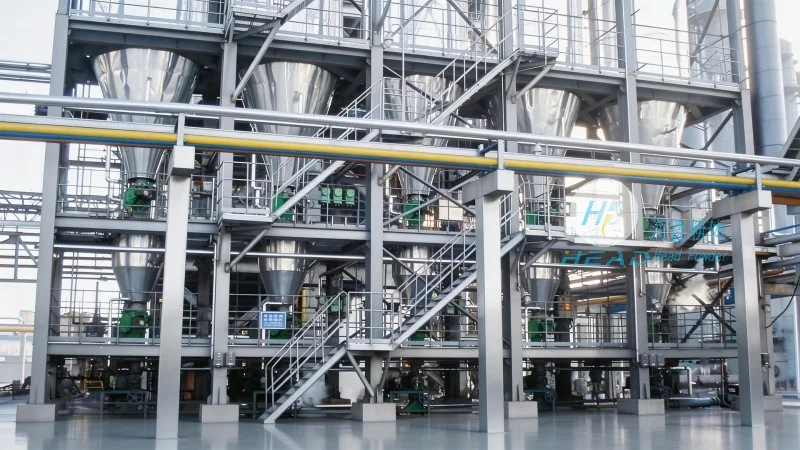
System Maintenance and Safety Considerations
Maintaining the colored sand powder conveying system is essential for prolonged and reliable operation. Regular maintenance tasks include cleaning the hopper and feeder to prevent material buildup, inspecting conveyor belts or pipes for wear and tear, and checking the performance of the control system. Proper maintenance helps to prevent system downtime and ensures that the colored sand is conveyed without contamination or loss. Safety considerations are also paramount in these systems. Dust suppression systems are often integrated to control airborne particles, and the system is designed with safety guards to prevent accidental contact with moving parts. Additionally, the system may include emergency stop buttons and interlocks to prevent accidents during operation. By adhering to proper maintenance and safety protocols, the system can operate efficiently and safely for extended periods.
Applications and Benefits
Colored sand powder conveying systems are widely used in various industries, including construction, glass manufacturing, and decorative materials production. The benefits of these systems include improved material handling efficiency, reduced labor costs, and enhanced product quality. By ensuring consistent and reliable transport of colored sand powders, these systems contribute to higher productivity and lower operational costs. The ability to handle fine powders without degradation also makes these systems suitable for applications where material quality is critical. Overall, the operation process and working principle of colored sand powder conveying systems are designed to meet the demands of modern industrial applications, providing reliable and efficient material transport solutions.




