When it comes to the efficient and safe handling of lithium-ion battery cathode materials, selecting the appropriate material transport system is crucial. Two common approaches are positive pressure and negative pressure systems, each with distinct characteristics and applications. Understanding the differences between these systems is essential for optimizing material handling processes in the battery manufacturing industry.
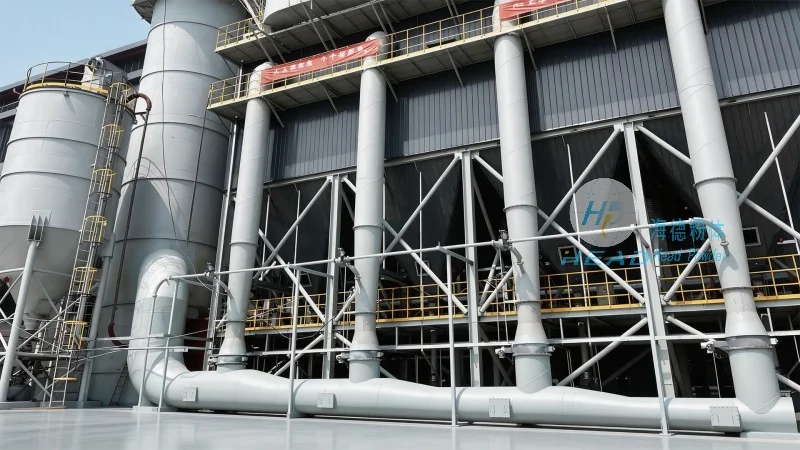
Understanding the Basics of Positive and Negative Pressure Systems in Lithium-Ion Battery Cathode Material Handling
Positive pressure systems operate by pressurizing the material handling equipment and associated ductwork with air or inert gas. This pressurization creates an overpressure environment that prevents external air from entering the system. Conversely, negative pressure systems create a vacuum or sub-atmospheric pressure within the system, drawing material into the equipment and preventing dust or particles from escaping into the surrounding environment.
Key Differences Between Positive and Negative Pressure Systems
The primary difference lies in how each system manages the material and the surrounding air. Positive pressure systems are often used when the material being handled is sensitive to moisture or contaminants from the external air. By maintaining an overpressure, these systems ensure that only filtered air enters the system, protecting the material quality. Negative pressure systems, on the other hand, are preferred when the material is prone to dust generation and there is a need to contain and control the dust within the system. This approach helps in maintaining a clean environment and preventing dust from spreading to other areas of the facility.
Another key difference is the impact on personnel and equipment. Positive pressure systems can pose a risk of air leakage and potential exposure to contaminants if not properly sealed. Negative pressure systems, while effective at containing dust, may require more robust filtration and exhaust systems to prevent the buildup of harmful particles. The choice between the two often depends on the specific properties of the cathode material and the operational requirements of the battery manufacturing plant.
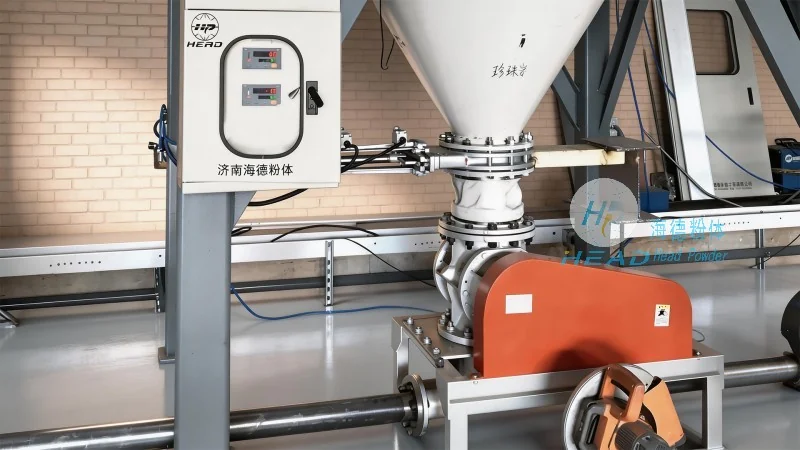
Factors to Consider When Choosing a System for Lithium-Ion Battery Cathode Material Handling
Several factors should be evaluated when deciding between positive and negative pressure systems for lithium-ion battery cathode material handling. First, the chemical and physical properties of the cathode material, such as its dust explosion risk and moisture sensitivity, play a significant role. Materials that are highly reactive or prone to dust explosions may require positive pressure systems with inert gas purging to mitigate risks. Conversely, materials that generate significant dust and require strict containment may benefit from negative pressure systems.
Second, the environmental conditions within the manufacturing facility are important. If the plant operates in an area with high ambient dust levels or where air quality regulations are stringent, negative pressure systems may be more suitable to prevent external contamination. However, in environments where moisture control is critical, positive pressure systems with dry air or nitrogen may be preferred.
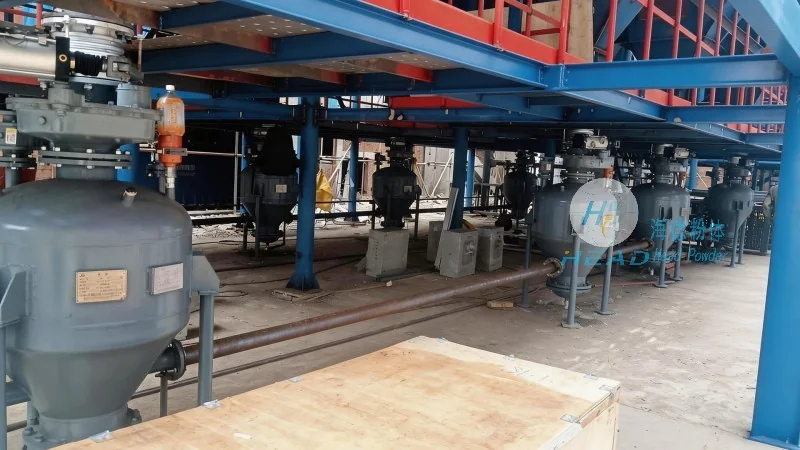
Third, the efficiency and maintenance requirements of each system should be considered. Positive pressure systems typically have higher energy consumption due to the continuous pressurization of the system. They also require regular checks of seals and pressure regulators to ensure proper operation. Negative pressure systems, while often more energy-efficient, may require more frequent filter changes and exhaust system maintenance to maintain effective dust control.
HeadPowder's Expertise in Lithium-Ion Battery Cathode Material Handling Solutions
Shandong HeadPowder Engineering Co., Ltd., a leading provider of material handling solutions, specializes in designing and implementing customized systems for lithium-ion battery cathode material transport. With operations based in Shandong, China, HeadPowder leverages years of industry experience to address the unique challenges of cathode material handling. The company's expertise includes the selection of appropriate pressure systems, integration of advanced filtration technologies, and compliance with industry safety standards.
HeadPowder's solutions are tailored to meet the specific needs of each client, whether that involves positive pressure systems for moisture-sensitive materials or negative pressure systems for dust containment. The company's team of engineers works closely with clients to assess their operational requirements, material characteristics, and environmental constraints to recommend the most suitable system configuration. By focusing on both performance and safety, HeadPowder ensures that lithium-ion battery cathode material handling processes are optimized for efficiency and compliance.




