When it comes to transporting lithium battery mineral powders, selecting the right conveying method is crucial for safety, efficiency, and operational reliability. Two primary approaches are widely used: positive pressure conveying and negative pressure conveying. Understanding the differences between these two systems is essential for making an informed decision that aligns with your specific operational needs.
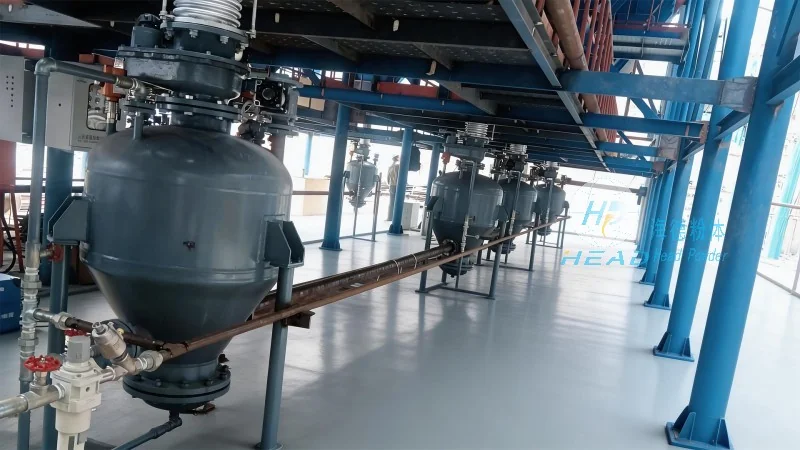
Understanding Positive Pressure Conveying
Positive pressure conveying, also known as pressure-fed or blow-through conveying, operates by forcing air or gas through the conveying system to move material. This method is often employed when dealing with materials that are highly sensitive to moisture or oxygen, or when there is a risk of dust explosions. By maintaining a positive pressure environment, the system prevents external air from entering the conveyor, thereby reducing the risk of ignition sources interacting with combustible dust particles.
For lithium battery mineral powders, which often contain flammable components like lithium compounds, positive pressure conveying can be a critical safety measure. The sealed system ensures that the material is transported under controlled conditions, minimizing exposure to ambient air and reducing the likelihood of spontaneous combustion or explosion. This approach is particularly suitable for applications where the material is being transferred from a storage silo or hopper to a processing unit, such as a mixer or a drying system.
Understanding Negative Pressure Conveying
Negative pressure conveying, or vacuum-assisted conveying, works by creating a vacuum in the system to draw material from the source into the conveying line. This method is commonly used when the goal is to maintain a clean environment, as it prevents dust from escaping into the surrounding workspace. Negative pressure systems are ideal for applications where the material is being transported from a point of generation, such as a grinding or crushing operation, to a collection point, like a bagging station or a storage silo.
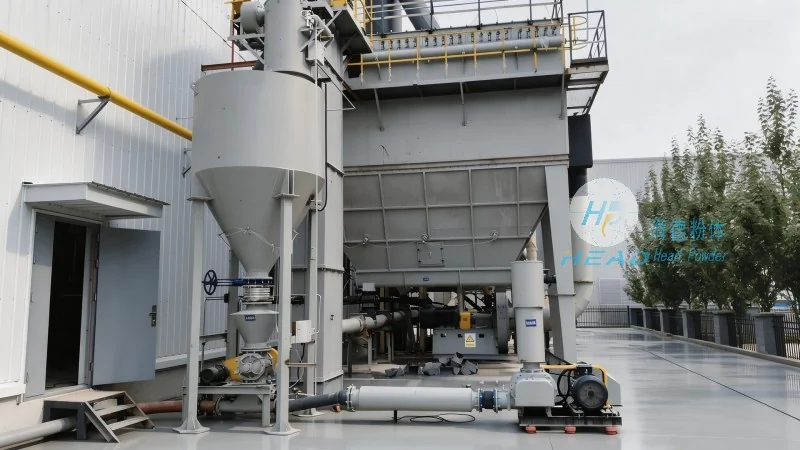
Unlike positive pressure systems, negative pressure conveying does not force air out of the system, which can help in containing dust within the conveyor and reducing the risk of dust dispersion. However, it is important to note that negative pressure systems may be more susceptible to clogging if the material is highly abrasive or contains large particles, as the vacuum can sometimes cause particles to adhere to the conveyor walls.
Distinguishing Between Positive and Negative Pressure Systems
Choosing between positive and negative pressure conveying for lithium battery mineral powders depends on several key factors, including safety requirements, material properties, and operational environment. Here are the main criteria to consider when making the distinction:
- Safety and Explosion Risk: If the material is flammable or poses a risk of dust explosion, positive pressure conveying is generally preferred due to its sealed environment and ability to control air ingress. Negative pressure systems, while effective at containing dust, may not provide the same level of explosion protection.
- Environmental Considerations: For applications where maintaining a clean and dust-free workspace is paramount, negative pressure conveying is often the better choice, as it prevents dust from escaping into the environment. Positive pressure systems, on the other hand, may require additional filtration or ventilation to manage air emissions.
- Material Properties: The physical characteristics of the lithium battery mineral powder, such as particle size, moisture content, and abrasiveness, can influence the choice of conveying method. Coarse or abrasive materials may be better suited for positive pressure systems, which can handle higher pressures and reduce the risk of clogging. Fine powders, however, may perform better in negative pressure systems, as the vacuum can help maintain a consistent flow.
- System Complexity and Maintenance: Positive pressure systems typically require more robust components, such as high-pressure blowers and durable ductwork, to withstand the pressure and potential wear from abrasive materials. Negative pressure systems may involve more complex vacuum pumps and filtration systems to maintain the vacuum and prevent dust from escaping. The choice between the two may also depend on the available space and the level of maintenance resources.
Role of Shandong HeadPowder Engineering Co., Ltd. in Conveying Solutions
Shandong HeadPowder Engineering Co., Ltd., a leading provider of mineral powder handling solutions, specializes in designing and implementing customized conveying systems tailored to the unique needs of lithium battery manufacturers. With years of experience in the industry, HeadPowder understands the critical importance of selecting the right conveying method for safety and efficiency.
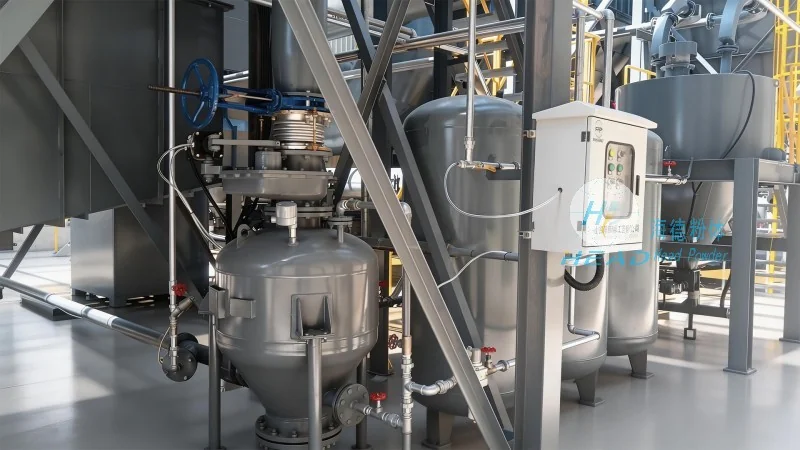
Our team of engineers works closely with clients to assess their specific operational requirements, including the type of lithium battery mineral powder, the processing environment, and safety regulations. By evaluating factors such as explosion risk, dust containment, and material properties, we help clients determine whether positive or negative pressure conveying is the most appropriate solution.
HeadPowder offers a range of conveying equipment, including positive pressure blowers, vacuum pumps, and specialized ductwork, designed to meet the demands of lithium battery mineral powder handling. Our products are engineered to ensure reliable performance, minimal maintenance, and compliance with industry standards for safety and environmental protection.
For clients seeking to optimize their lithium battery mineral powder conveying processes, HeadPowder provides comprehensive support, from system design and installation to ongoing maintenance and troubleshooting. Our expertise in both positive and negative pressure systems allows us to offer tailored solutions that address the specific challenges of lithium battery production, ensuring that clients can achieve their operational goals while maintaining the highest standards of safety and efficiency.




