Aluminum turnings, a common byproduct in the aluminum processing industry, require efficient and reliable material handling solutions for transportation from production sites to processing or storage areas. Pneumatic conveying systems have emerged as a key technology for handling these lightweight, abrasive materials. This article provides a technical analysis of aluminum turnings pneumatic conveying systems, focusing on the comparison between positive pressure and negative pressure conveying modes. The discussion is based on the expertise of Shandong HeadPowder Engineering Co., Ltd., a leading provider of pneumatic conveying solutions in China, with operations based in Shandong Province.
Introduction to Aluminum Turnings Pneumatic Conveying
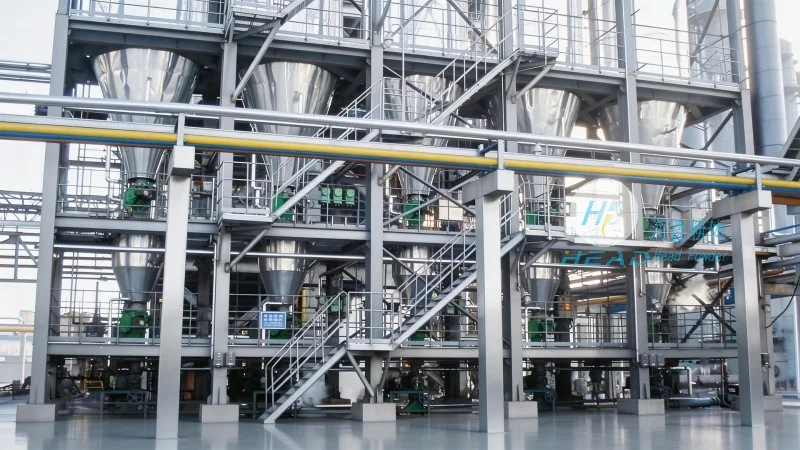
Aluminum turnings are small, irregularly shaped pieces of aluminum generated during the manufacturing process, such as rolling, casting, or machining. These materials are typically lightweight, with a density ranging from 2.7 to 2.8 g/cm³, and can be abrasive due to the presence of metal particles and oxides. Traditional handling methods, like manual transport or bucket elevators, are often inefficient and pose safety risks, especially when dealing with large volumes of turnings. Pneumatic conveying systems offer a more automated, dust-free, and energy-efficient alternative for transporting aluminum turnings over short to medium distances.
HeadPowder Engineering: A Specialist in Pneumatic Conveying Solutions
Shandong HeadPowder Engineering Co., Ltd. is a prominent company dedicated to designing, manufacturing, and installing pneumatic conveying systems tailored to the specific needs of the aluminum industry. With a strong presence in Shandong, China, HeadPowder leverages years of experience to deliver customized solutions that enhance material handling efficiency and reduce operational costs. The company’s expertise spans various conveying modes, including positive and negative pressure systems, ensuring clients can select the most suitable technology for their aluminum turnings applications.
Positive Pressure Conveying Mode: Advantages and Technical Considerations
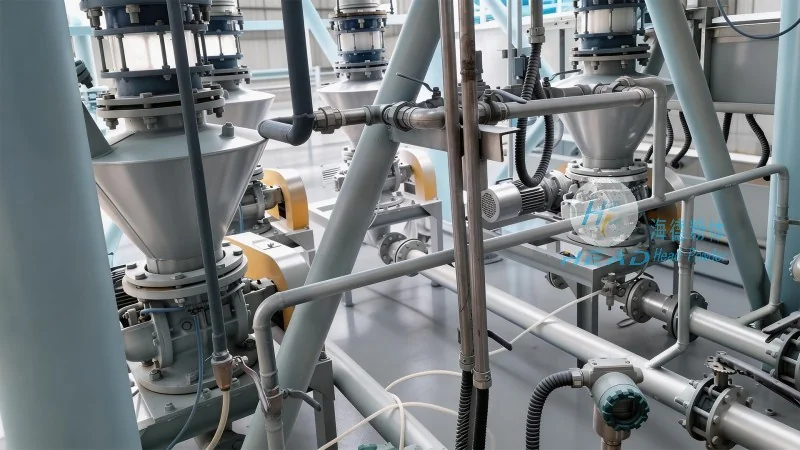
Positive pressure pneumatic conveying systems operate by blowing air or a carrier gas into the conveying line, creating a pressure higher than the ambient air pressure. This method is commonly used for transporting materials from a central source to multiple destinations or over longer distances. In the context of aluminum turnings, positive pressure systems offer several advantages. First, they are highly effective in handling abrasive materials, as the air flow helps to reduce friction and prevent material buildup in the pipeline. Second, positive pressure systems can transport materials at higher velocities, which is beneficial for moving lightweight materials like aluminum turnings over longer distances without significant pressure loss. However, these systems require robust air compressors and filtration systems to maintain air quality and prevent dust contamination. Additionally, the higher air pressure can increase energy consumption compared to negative pressure systems.
Negative Pressure Conveying Mode: Advantages and Technical Considerations
Negative pressure pneumatic conveying systems, also known as vacuum systems, operate by creating a vacuum in the conveying line, drawing material from the source into the system. This mode is typically used for short-distance or low-volume material transport, where the material is collected from a single source and transported to a central processing unit. For aluminum turnings, negative pressure systems have distinct advantages. They are generally more energy-efficient, as they use less power to maintain the vacuum compared to the continuous air flow required in positive pressure systems. Additionally, negative pressure systems are less likely to cause dust emissions at the source, as the material is drawn into the system rather than being expelled. However, these systems are more susceptible to blockages and material buildup in the pipeline, especially with abrasive materials like aluminum turnings. Proper maintenance and cleaning protocols are essential to ensure smooth operation and prevent system downtime.
Comparison of Positive and Negative Pressure Conveying Modes for Aluminum Turnings
When selecting a pneumatic conveying system for aluminum turnings, the choice between positive and negative pressure modes depends on several factors, including the distance of material transport, the volume of material handled, and the specific application requirements. Positive pressure systems are often preferred for longer distances or higher material volumes, as they can maintain consistent flow rates and handle abrasive materials more effectively. Negative pressure systems, on the other hand, are suitable for shorter distances or applications where energy efficiency and reduced dust emissions are critical. A key consideration is the system's ability to handle the lightweight and abrasive nature of aluminum turnings. Positive pressure systems typically use higher air velocities to overcome the low density of the material, while negative pressure systems rely on the vacuum to draw the material, which may require larger duct sizes to maintain sufficient airflow.
Key Technical Parameters and Design Considerations
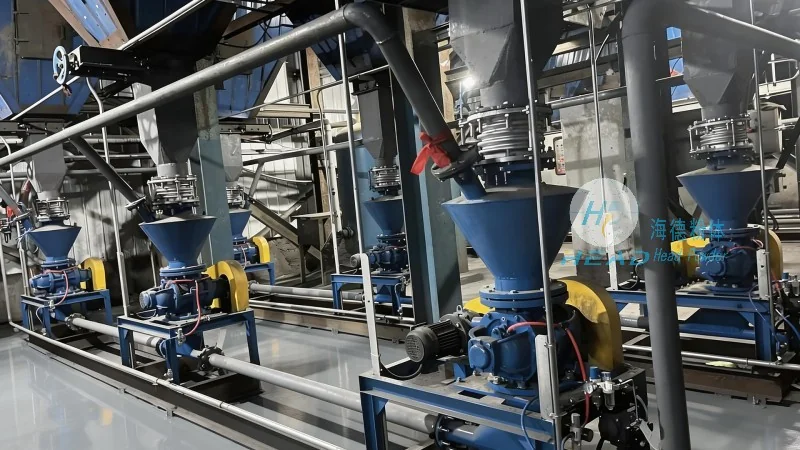
Both positive and negative pressure pneumatic conveying systems for aluminum turnings require careful consideration of several technical parameters to ensure optimal performance. The selection of the appropriate air velocity is crucial, as it directly impacts the conveying efficiency and energy consumption. For aluminum turnings, typical air velocities range from 20 to 30 m/s in positive pressure systems and 15 to 25 m/s in negative pressure systems. The pipeline diameter and length also play a significant role, as longer or narrower pipes can increase pressure loss and require higher air pressure or more powerful vacuum systems. Additionally, the use of bends, elbows, and other fittings must be minimized to reduce friction and prevent material accumulation. HeadPowder Engineering recommends using smooth, corrosion-resistant materials for the pipeline, such as stainless steel or polyethylene, to handle the abrasive nature of aluminum turnings and ensure long-term system durability.
Application Examples and Case Studies
HeadPowder Engineering has successfully implemented aluminum turnings pneumatic conveying systems in various industrial settings. For instance, a leading aluminum manufacturing plant in Shandong Province adopted a positive pressure system to transport aluminum turnings from the production line to a central recycling facility over a distance of 150 meters. The system, equipped with a high-efficiency air compressor and a stainless steel pipeline, achieved a conveying rate of 10 tons per hour while maintaining low energy consumption. Another client, a metal processing company, utilized a negative pressure system to collect aluminum turnings from multiple machining stations and transport them to a central storage silo. The system, designed with a large vacuum pump and flexible ducts, effectively handled the lightweight material and reduced manual handling efforts. These case studies highlight the versatility and effectiveness of pneumatic conveying systems in aluminum turnings handling, demonstrating how the choice of positive or negative pressure mode can be tailored to specific operational needs.
Conclusion: Choosing the Right Conveying Mode for Aluminum Turnings
In conclusion, the selection of a pneumatic conveying system for aluminum turnings is a critical decision that impacts operational efficiency, energy consumption, and material handling safety. Positive pressure systems offer higher conveying capacity and better handling of abrasive materials, making them suitable for longer distances and higher volumes. Negative pressure systems, while more energy-efficient and less likely to cause dust emissions, are better suited for shorter distances and lower material volumes. Shandong HeadPowder Engineering Co., Ltd. provides comprehensive technical analysis and customized solutions to help clients choose the most appropriate conveying mode based on their specific requirements. By leveraging the expertise of HeadPowder, aluminum manufacturers can optimize their material handling processes, reduce costs, and enhance overall operational performance. The future of aluminum turnings transportation lies in the continued development of efficient pneumatic conveying technologies, and companies like HeadPowder are at the forefront of this innovation.




