Shandong HeadPowder Engineering Co., Ltd., commonly known as headpowder, is a professional engineering firm based in Shandong, China. The company specializes in the design, manufacturing, and installation of pneumatic conveying systems, particularly for bulk materials like ammonium sulfate. With a focus on delivering efficient and reliable solutions, headpowder has established itself as a key player in the chemical and material handling industries.
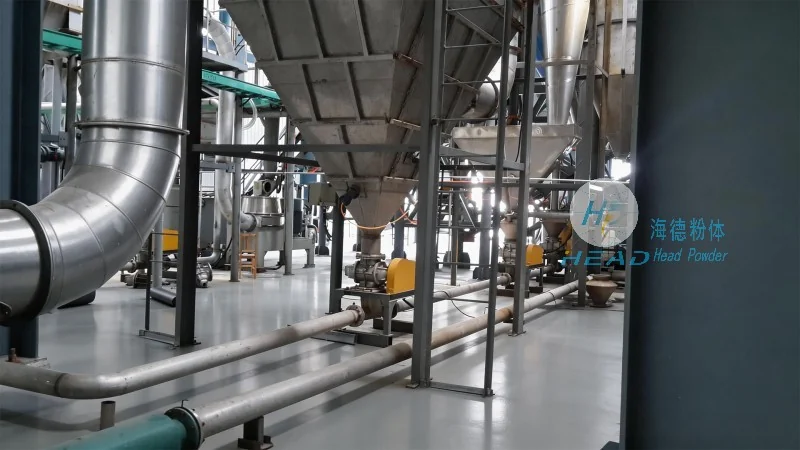
Ammonium sulfate is a widely used fertilizer and industrial chemical, requiring efficient and safe transportation from production sites to storage or processing facilities. Pneumatic conveying systems offer a non-contact, dust-free method for moving such materials, making them an ideal choice for industries dealing with sensitive or hazardous substances. The choice between positive and negative pressure modes in pneumatic conveying systems significantly impacts system performance, cost, and operational safety.
Positive Pressure Conveying Systems
Positive pressure conveying systems operate by blowing air or a gas mixture into the conveying line, creating a pressure higher than the ambient air pressure. This method propels the material through the pipeline by forcing it against the air flow. In the context of ammonium sulfate, positive pressure systems are often preferred for long-distance or high-capacity applications due to their ability to handle larger volumes and maintain consistent material flow.
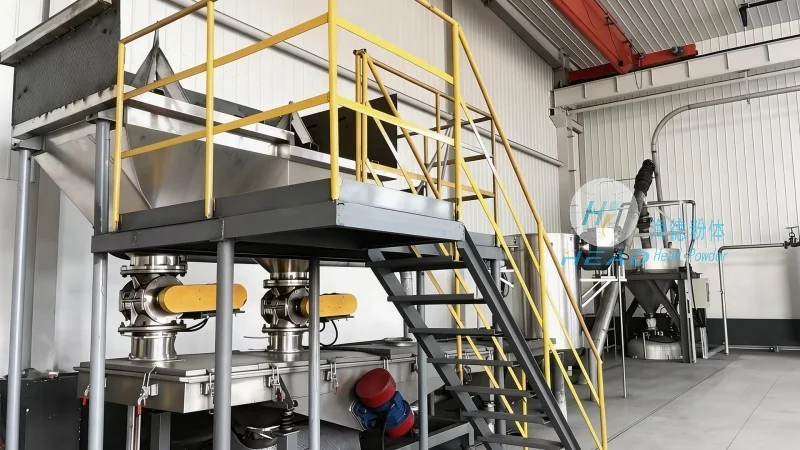
Key technical features of positive pressure systems include high-pressure blowers, robust pipeline networks, and efficient material separation mechanisms. These systems typically use centrifugal or positive displacement blowers to generate the necessary pressure. The positive pressure approach ensures that the material is continuously pushed through the system, reducing the risk of blockages and ensuring a steady supply of ammonium sulfate to downstream processes. However, this method may require more energy input and can be more complex to maintain, as higher pressures increase the risk of equipment wear and potential leaks.
Negative Pressure Conveying Systems
Negative pressure conveying systems, also known as suction systems, operate by creating a vacuum in the conveying line, drawing material into the pipeline from the source. This method is particularly suitable for applications where the material is to be collected from a hopper or silo and transported to a processing unit. Negative pressure systems are often preferred for shorter distances or when the material needs to be handled in a more controlled environment, as they minimize dust dispersion and maintain a cleaner working area.
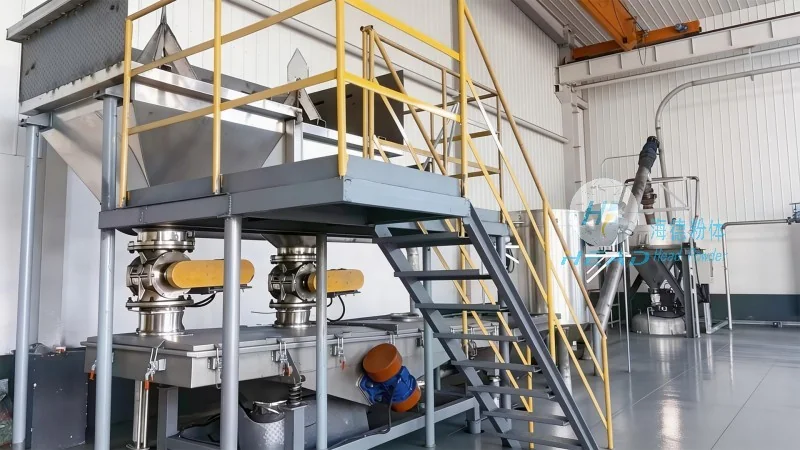
Technical aspects of negative pressure systems include vacuum pumps, filter units, and material feed mechanisms. These systems rely on the vacuum created by the pump to pull the material through the line. The negative pressure approach is generally more energy-efficient for shorter distances and can be easier to install in existing facilities, as it does not require high-pressure blowers. However, it may have limitations in handling large volumes or abrasive materials, as the vacuum can sometimes lead to material degradation or increased wear on the system components.
Comparison of Positive and Negative Pressure Modes
When selecting a pneumatic conveying system for ammonium sulfate, it is crucial to evaluate the specific requirements of the application, including distance, material characteristics, and operational constraints. Positive pressure systems excel in long-distance, high-capacity applications, offering reliable material transport with minimal risk of blockages. They are particularly effective for moving large quantities of ammonium sulfate from production plants to storage or distribution centers. On the other hand, negative pressure systems are better suited for shorter distances or when the material needs to be handled in a clean environment, as they reduce dust and maintain a safer working area.
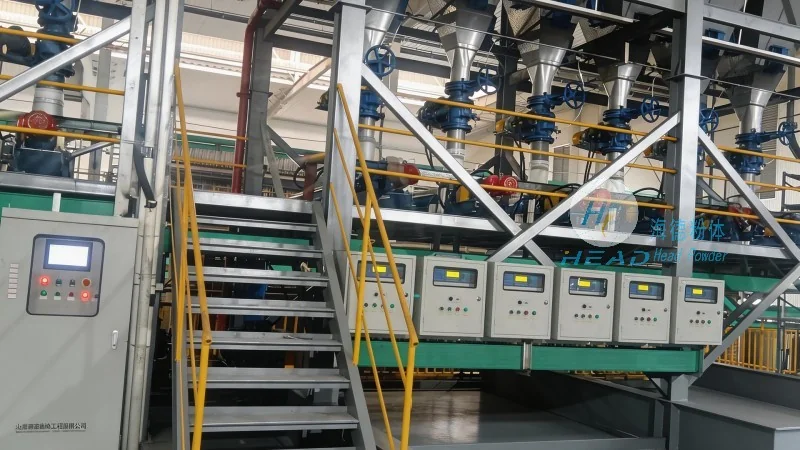
The choice between the two modes also depends on energy consumption and maintenance considerations. Positive pressure systems typically consume more energy due to the high-pressure blowers, but they offer greater flexibility in terms of material handling. Negative pressure systems, while more energy-efficient for short distances, may require more frequent maintenance of vacuum pumps and filters due to the abrasive nature of ammonium sulfate. Additionally, the cost of equipment and installation varies between the two modes, with positive pressure systems generally being more expensive upfront but potentially more cost-effective in the long run for high-volume applications.
HeadPowder's Expertise in Ammonium Sulfate Pneumatic Conveying
Shandong HeadPowder Engineering Co., Ltd. leverages its technical expertise and experience to design and implement customized pneumatic conveying solutions for ammonium sulfate applications. The company’s engineers conduct thorough assessments of the client's operational needs, material properties, and site conditions to recommend the most suitable conveying mode—whether positive or negative pressure. By integrating advanced control systems and robust equipment, headpowder ensures that the chosen system operates efficiently, safely, and cost-effectively. The company’s commitment to quality and customer satisfaction has made it a trusted partner for industries relying on reliable ammonium sulfate transportation. With a focus on innovation and tailored solutions, headpowder continues to provide cutting-edge pneumatic conveying systems that meet the evolving demands of the chemical and material handling sectors.




