When it comes to transporting flake graphite, selecting the appropriate conveying method is crucial for ensuring efficiency, safety, and cost-effectiveness. Two primary approaches are widely used in the industry: positive pressure conveying and negative pressure conveying. Each method has its own set of advantages and limitations, making the choice between them a critical decision for manufacturers and operators. This article aims to provide a comprehensive guide to understanding these two conveying systems, helping professionals in the graphite processing sector make informed decisions.
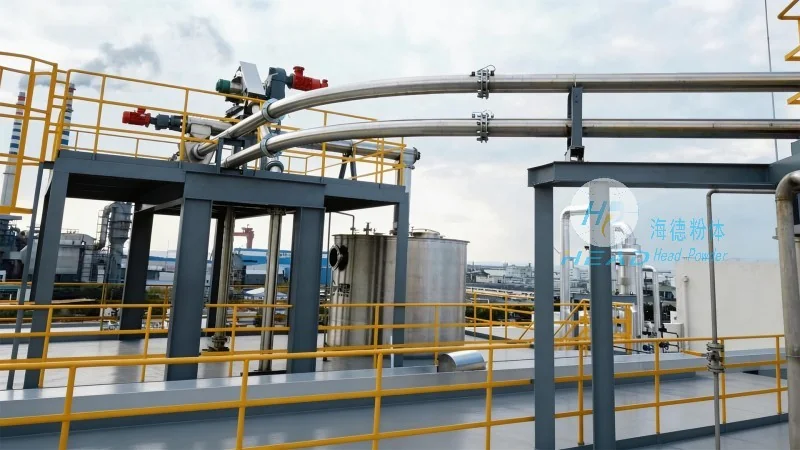
Positive Pressure Conveying for Flake Graphite
Positive pressure conveying, also known as pressure-fed conveying, operates by forcing air or gas through the conveying line under pressure. This method is particularly effective for transporting flake graphite in a dry state, as it can handle a wide range of particle sizes and flow rates. The system typically includes a blower or compressor that generates the necessary pressure to move the material through the pipeline. One of the key benefits of positive pressure conveying is its ability to maintain a consistent flow rate, which is essential for maintaining production line stability. Additionally, this method is generally more suitable for long-distance conveying, as the pressure can be maintained over extended distances without significant loss. However, it is important to note that positive pressure systems require more energy to operate compared to negative pressure systems, and they may also generate more dust, which can impact air quality and require additional filtration measures.
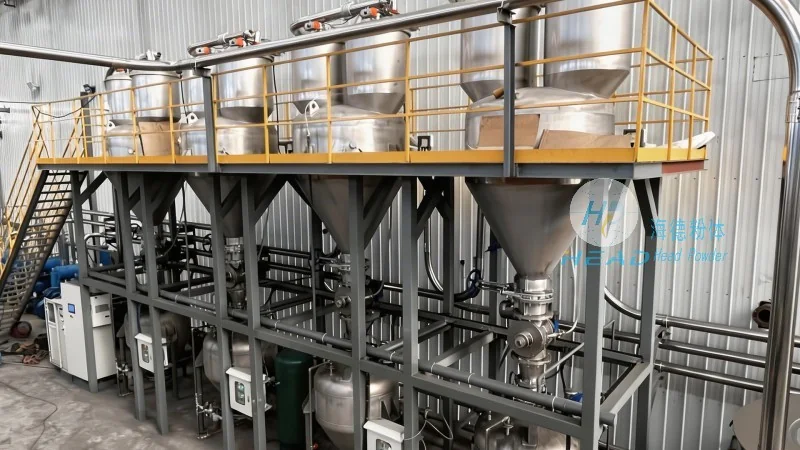
Negative Pressure Conveying for Flake Graphite
Negative pressure conveying, or vacuum conveying, works by creating a vacuum in the conveying line to draw the material from the source. This method is often preferred for shorter conveying distances and for handling materials that are more sensitive to pressure changes. The system utilizes a vacuum pump to create the necessary suction, which pulls the flake graphite through the pipeline. A significant advantage of negative pressure conveying is its lower energy consumption compared to positive pressure systems, as it does not require a high-pressure blower. Additionally, this method is generally more gentle on the material, reducing the risk of breakage or degradation of the graphite flakes. However, negative pressure systems are typically limited to shorter distances due to the rapid loss of vacuum over longer pipelines. They are also more susceptible to clogging if the material contains moisture or other contaminants that can stick to the pipe walls.
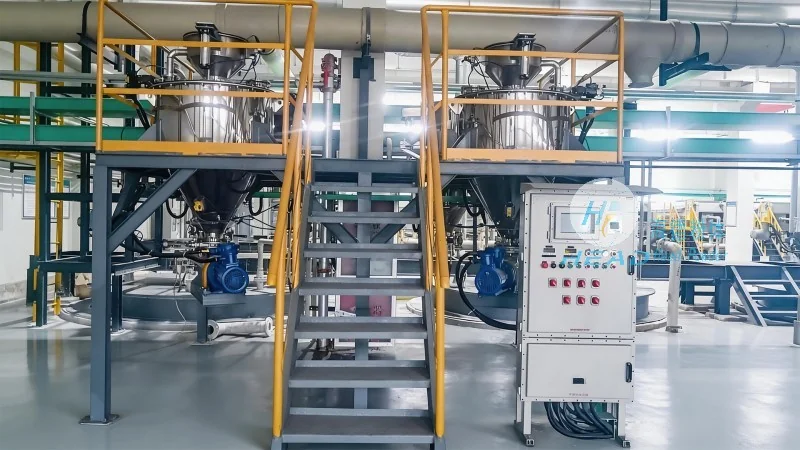
Distinguishing Between Positive and Negative Pressure Conveying
When deciding between positive and negative pressure conveying for flake graphite, several factors should be considered. The first and most important factor is the conveying distance. For long-distance applications, positive pressure conveying is generally more suitable due to its ability to maintain pressure over extended lengths. For shorter distances, negative pressure conveying may be more efficient and cost-effective. Another critical factor is the material's properties, such as particle size, moisture content, and dust generation. If the flake graphite is fine or has high moisture content, negative pressure conveying may be preferred to avoid material degradation. Conversely, if the material is coarse and requires high flow rates, positive pressure conveying may be the better choice. Additionally, the overall system cost and energy consumption should be evaluated. Positive pressure systems may have higher initial and operational costs due to the need for high-pressure equipment, while negative pressure systems may require more maintenance to prevent clogging and ensure consistent vacuum levels. Finally, the environmental and safety considerations are important. Positive pressure systems may generate more dust, requiring additional filtration and ventilation systems, whereas negative pressure systems may pose a risk of vacuum leaks, which could lead to material loss or safety hazards.
Real-World Applications and Case Studies
Several industries rely on flake graphite conveying systems, and the choice between positive and negative pressure methods often depends on the specific application requirements. For example, in the production of graphite electrodes, where large quantities of flake graphite are needed for high-volume processing, positive pressure conveying may be preferred due to its ability to handle high flow rates and long distances. In contrast, for small-scale operations or laboratory settings, negative pressure conveying may be more practical due to its lower cost and gentler handling of the material. A case study from a graphite processing plant in Shandong, China, demonstrated that switching from a positive pressure system to a negative pressure system reduced energy consumption by 30% while maintaining the same conveying efficiency for short-distance applications. This example highlights the importance of evaluating the specific needs of the operation before selecting a conveying method.
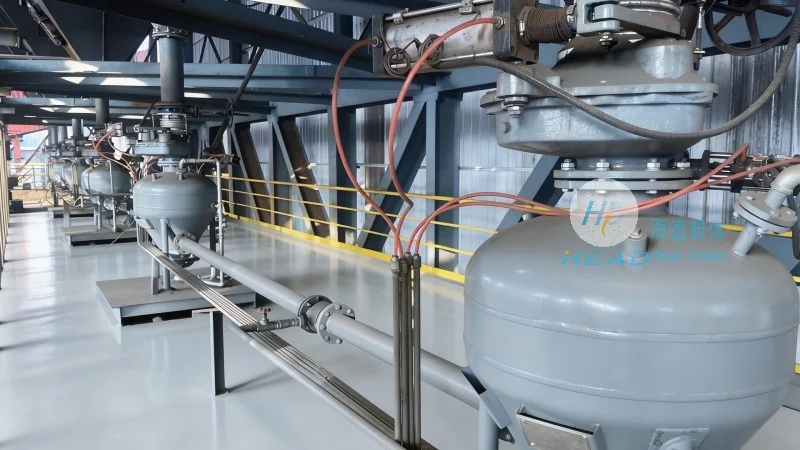
HeadPowder: Your Partner in Flake Graphite Conveying Solutions
Shandong HeadPowder Engineering Co., Ltd., a leading manufacturer of conveying equipment, specializes in providing customized solutions for flake graphite handling. With years of experience in the industry, HeadPowder understands the unique challenges of flake graphite conveying and offers a range of systems tailored to specific operational needs. Whether a client requires a positive pressure system for long-distance transport or a negative pressure system for short-distance applications, HeadPowder's team of experts can design and implement a solution that meets their requirements. The company's commitment to quality and innovation ensures that its conveying systems are reliable, efficient, and durable, helping clients optimize their production processes and reduce operational costs. HeadPowder's headquarters is located in Shandong, China, where the company continues to develop new technologies and improve its products to meet the evolving needs of the graphite industry.




